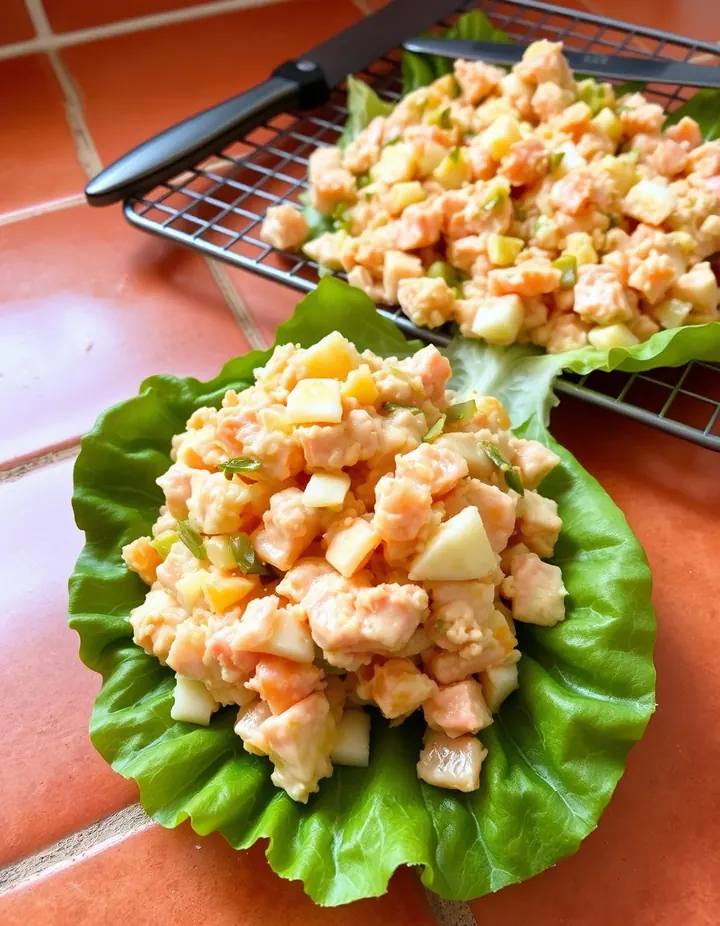
Why it works: Mustard and cabbage match in chemistry and in kitchens. They rank in the top 3% of all ingredient pairs, and cooks put them together in 1,645 recipes. Both carry 2-isopropyl-3-methoxypyrazine, which smells earthy, pea. The science ↓
Salmon Salad
Ingredients
Directions
Prepare the salmon
Place the can of salmon in a kettle of boiling water and cook for 15 minutes.
Open the can, pour off the oil, and spread the salmon on a platter to cool.
Make the dressing
In a saucepan, combine salt, mustard, white pepper, sugar, cream or milk, vinegar, and egg or egg yolks.
Bring the mixture to a boil.
Assemble and serve
Mix the cooled salmon with a little more than an equal quantity of chopped cabbage.
Pour 1 teaspoon or more of celery extract over the cabbage.
Let it stand for a while.
Mix everything together for serving.
Transcribed from a scanned cookbook and modernised for today's kitchens. Where the book gave no heat or time, or said "a moderate oven", the temperatures and times here may be modern equivalents rather than the book's own figures.
Photo for illustrative purposes only · Contact us to use it
Explore the science
The flavor team
The pairs that carry this dish. Each one is judged two ways: how much their aromas overlap, and how often cooks already put them together.
-
Mustard + cabbagetop 3% of all pairsSmell alikestrongCooked together1,645 recipes
Shared aroma: 2-isopropyl-3-methoxypyrazine (earthy, pea).
-
Mustard + vinegartop 7% of all pairsSmell alikemoderateCooked together14,067 recipes
Shared aroma: isobutyraldehyde (malty, green).
-
Sugar + creamtop 9% of all pairsSmell alikemoderateCooked together43,450 recipes
Shared aroma: 2,3-butanedione (butter, sweet).
-
Vinegar + cabbagetop 13% of all pairsSmell alikemoderateCooked together2,924 recipes
Shared aroma: 4'-methylacetophenone (bitter almond).
-
Salmon + creamtop 14% of all pairsSmell alikelowCooked together1,401 recipes
Shared aroma: 1-octen-3-one (mushroom, metallic).
Ranks compare each pair with 20,000 random ingredient pairs on CompKitchen. How we score pairs
What each ingredient does
- Salmon
- Provides the main body and flesh of the salad, cooked first so it can be flaked and cooled.
- Egg or egg yolks
- Thickens the cooked dressing as it heats, giving it a creamy, binding texture.
- Vinegar
- Adds sharp acidity that balances the sugar and richness of the dressing.
- Sugar
- Sweetens the dressing and offsets the acidity of the vinegar.
- Cream or milk
- Adds moisture and richness, softening the sharpness of the dressing.
- Chopped cabbage
- Adds crunch and bulk, giving the salad its fresh, crisp texture.
The step that matters
Bring the dressing mixture to a boil. Egg proteins thicken as they heat, but if the mixture overheats or boils too hard, the eggs can scramble and curdle, leaving the dressing lumpy instead of smooth.
Swap the white pepper
How well each one fits the dish's main ingredients (salmon, mustard, sugar, cream, vinegar, egg, cabbage):
- Capersfits better
- Tarragonfits better
- Dillfits better
- White pepperthe original
Fit is the average pairing score against salmon, mustard, sugar, cream, vinegar, egg, cabbage. Candidates are from the same food group and used in at least 100 recipes.
“What each ingredient does” and “The step that matters” were written by Claude from this recipe’s own method and reviewed in samples by CompKitchen.
More salmon salad recipes
You might also like
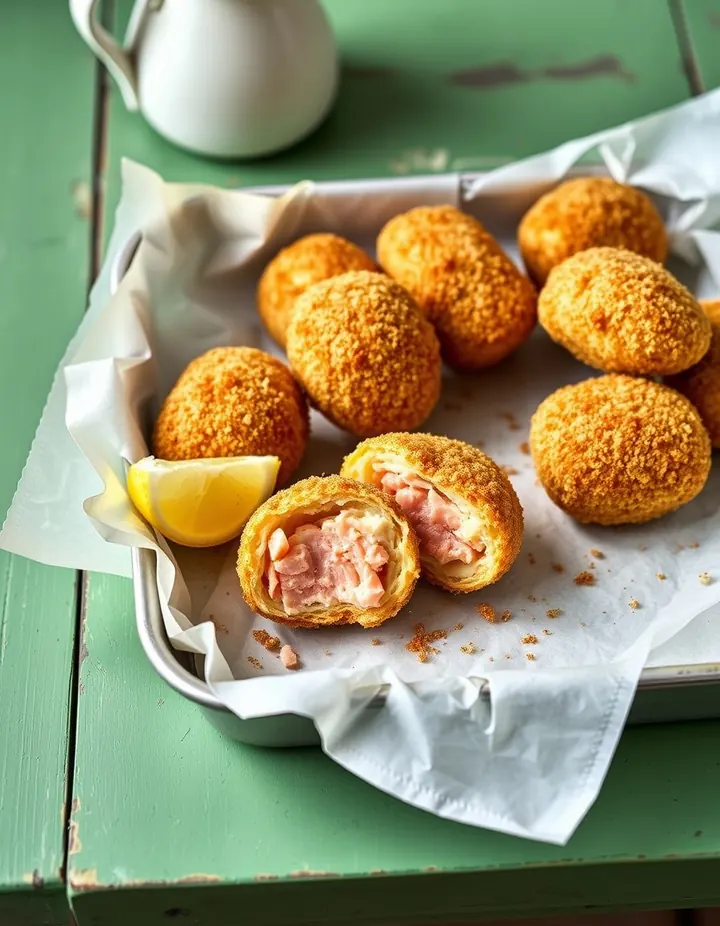 Salmon Croquettes129 recipes
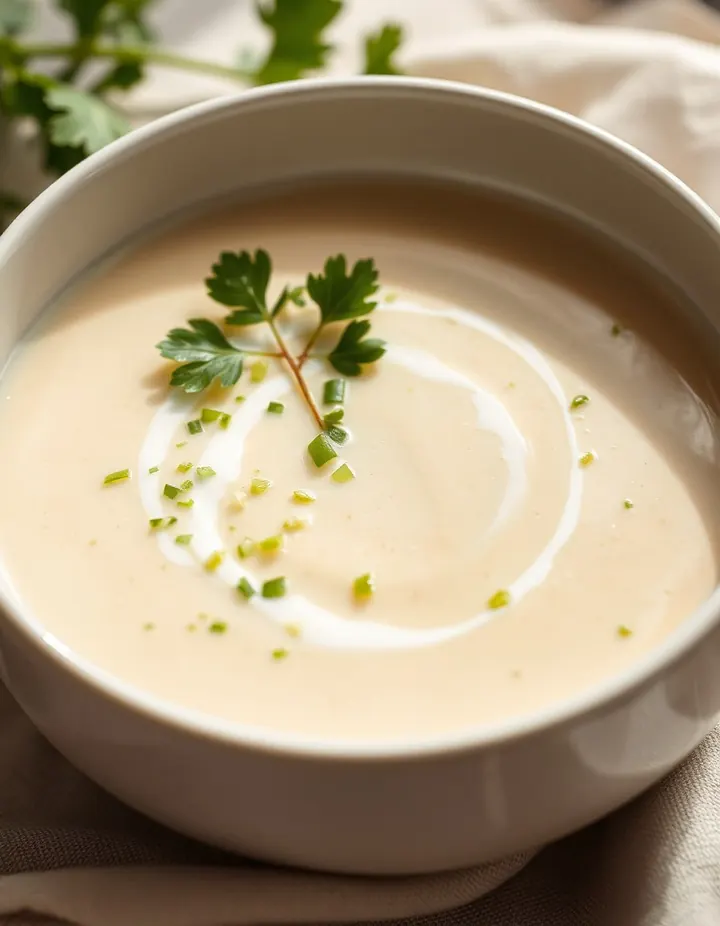 Cream of Celery Soup113 recipes
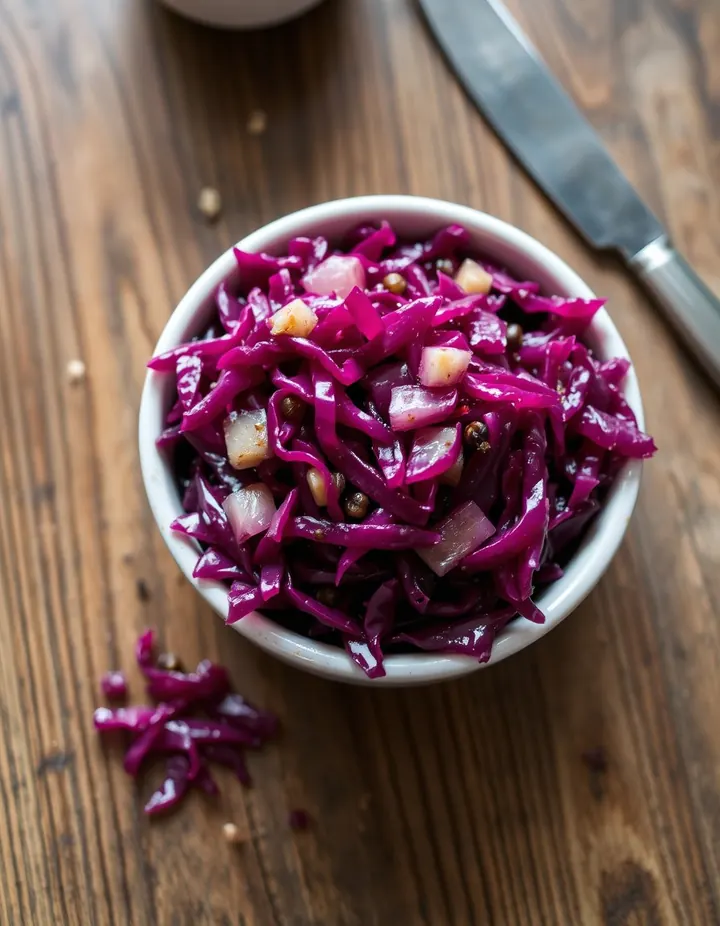 Red Cabbage65 recipes
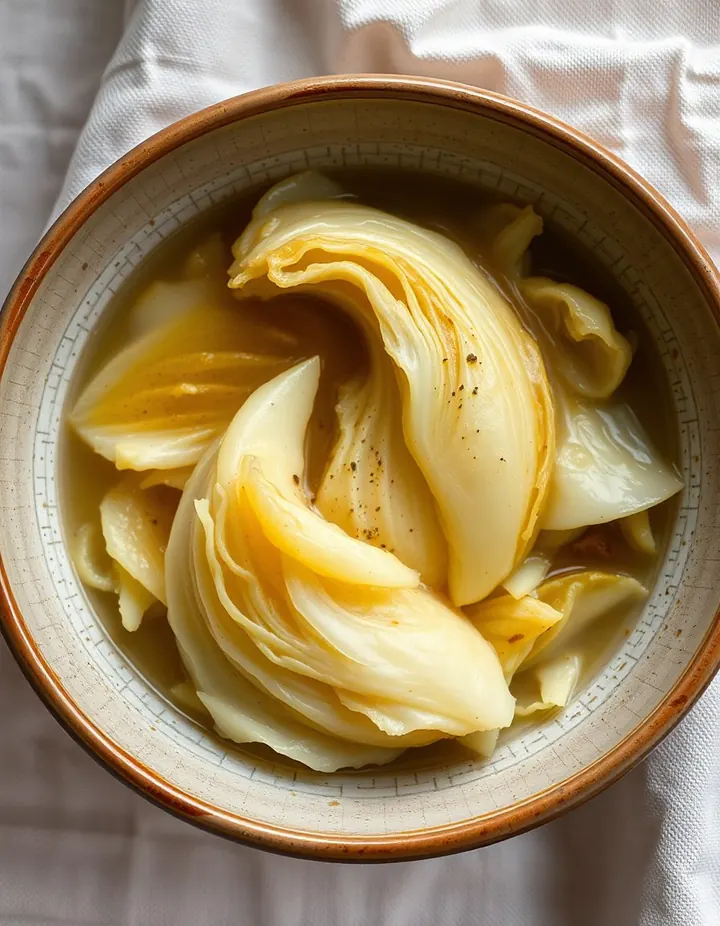 Stewed Cabbage58 recipes
The free Flavor Lab newsletter: one surprising pairing a week and the molecular reason it works, in 60 seconds. No spam, unsubscribe anytime.
Prefer an account? Create a free account to save pairings and unlock the full chemistry.