Why it works: Meat and pork are a kitchen classic. They rank in the top 11% of all ingredient pairs, and cooks put them together in 3,208 recipes. Both carry 1-octen-3-one, which smells mushroom, metallic. The science ↓
Pot-roast
Ingredients
Directions
Prepare and brown
Trim off the dried outer edges of the meat and brown it on all sides in a hot skillet to seal in the juices.
Dredge the meat generously with flour and place it on a layer of thin slices of salt pork or suet in an agate‑ware pot.
Braise
Cover the pot tightly to keep the steam in and set it on a hot part of the stove until the fat begins to fry vigorously.
Then reduce the heat to simmer and cook for 2.5 hours, ensuring it does not burn.
Once done, remove the meat, season it with salt and pepper, and cover it to keep moist.
Make the gravy and serve
Skim the fat from the gravy, reserving half for soup, and to the remaining half, add 1 teaspoon of flour mixed with 2 teaspoons of cold water and ½ cup of boiling water.
Boil for 5 minutes, straining if lumpy.
Leftover pie
To make a pie from leftovers, cut 1 heaping cup of meat into dice and place it in a small, deep pie dish.
Make gravy by browning 1 tablespoon of butter, then adding 1 tablespoon of flour, ½ teaspoon of salt, pepper, and 1 cup of boiling water.
Pour the gravy over the meat, cover with a pre‑baked crust, and bake in the oven for 15-20 minutes.
Transcribed from a scanned cookbook and modernised for today's kitchens. Where the book gave no heat or time, or said "a moderate oven", the temperatures and times here may be modern equivalents rather than the book's own figures.
Explore the science
The flavor team
The pairs that carry this dish. Each one is judged two ways: how much their aromas overlap, and how often cooks already put them together.
-
Meat + porktop 11% of all pairsSmell alikemoderateCooked together3,208 recipes
Shared aroma: 1-octen-3-one (mushroom, metallic).
-
Flour + buttertop 12% of all pairsSmell alikelowCooked together124,287 recipes
Shared aroma: isobutyraldehyde (malty, green).
-
Pork + buttertop 13% of all pairsSmell alikemoderateCooked together13,933 recipes
Shared aroma: 2-furfurylthiol (coffee, roasted).
-
Pork + peppertop 16% of all pairsSmell alikemoderateCooked together22,121 recipes
Shared aroma: 2-isopropyl-3-methoxypyrazine (earthy, pea).
-
Meat + buttertop 16% of all pairsSmell alikemoderateCooked together7,594 recipes
Shared aroma: guaiacol (smoky, sweet).
Flour and butter barely smell alike, yet cooks put them together in 124,287 recipes: they work on texture and structure more than aroma.
Ranks compare each pair with 20,000 random ingredient pairs on CompKitchen. How we score pairs
What each ingredient does
- Meat (beef or pork)
- Long, gentle cooking breaks down connective tissue, making the meat tender and moist.
- Flour
- Coats the meat to help it brown and thickens the gravy.
- Salt pork or suet
- Adds fat that bastes the meat and carries savory flavor into the pot.
- Butter
- Browning in the pan builds nutty, toasty flavor in the gravy.
- Lard
- Solid fat in the crust that keeps it short and flaky.
The step that matters
Keep the braise at a gentle simmer with the lid tight. A tightly covered pot holds steam so the meat stays moist, while low, steady heat lets tough collagen turn to gelatin without scorching the bottom or drying the meat.
“What each ingredient does” and “The step that matters” were written by Claude from this recipe’s own method and reviewed in samples by CompKitchen.
More pot roast recipes
You might also like
 Pork Cake107 recipes
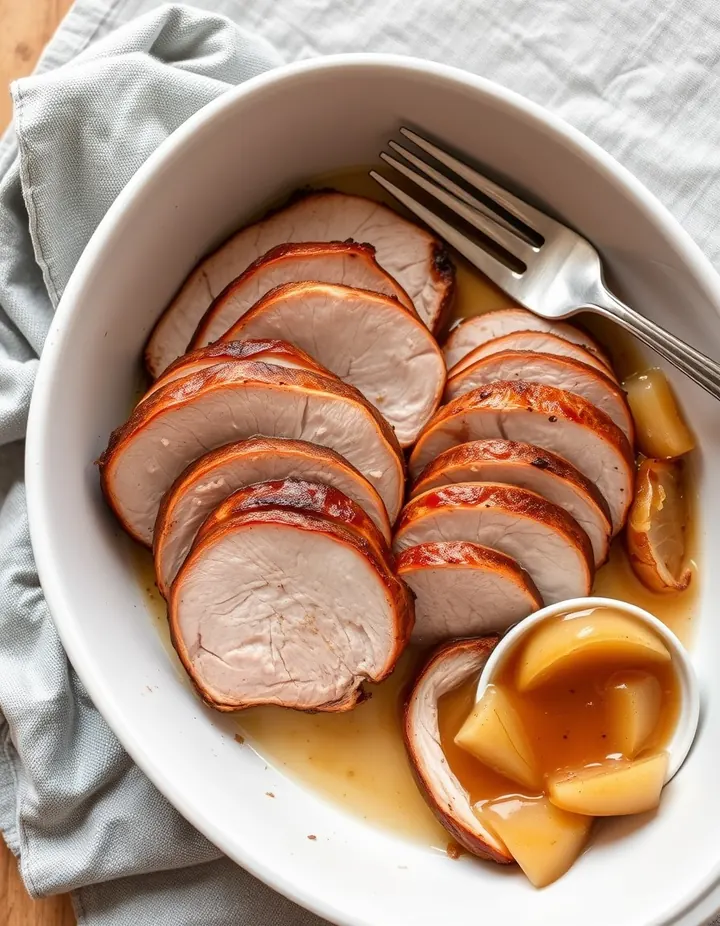 Roast Pork82 recipes
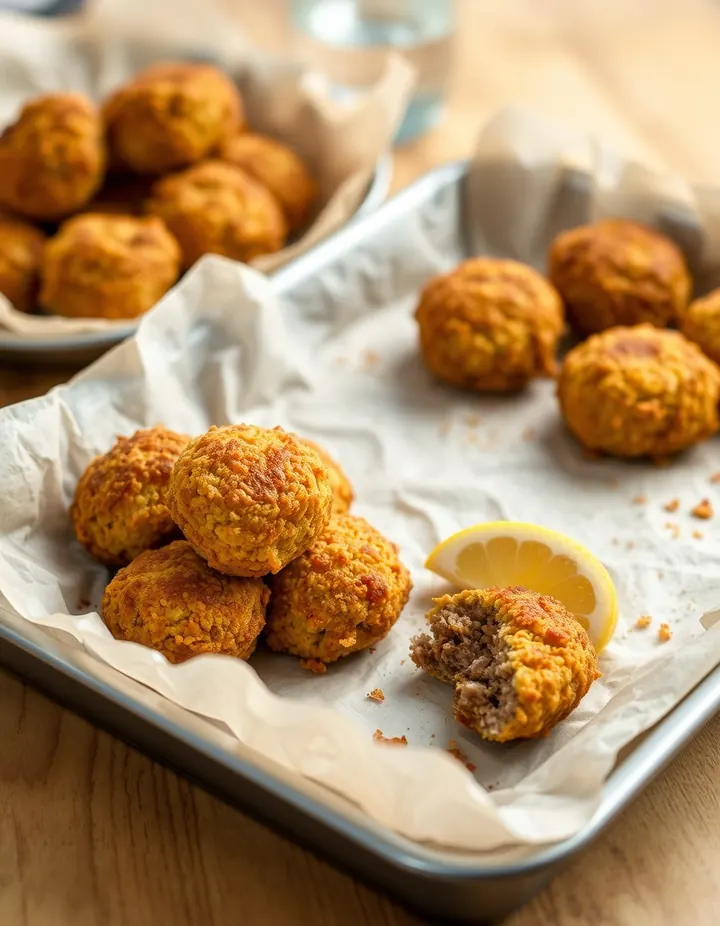 Meat Croquettes52 recipes
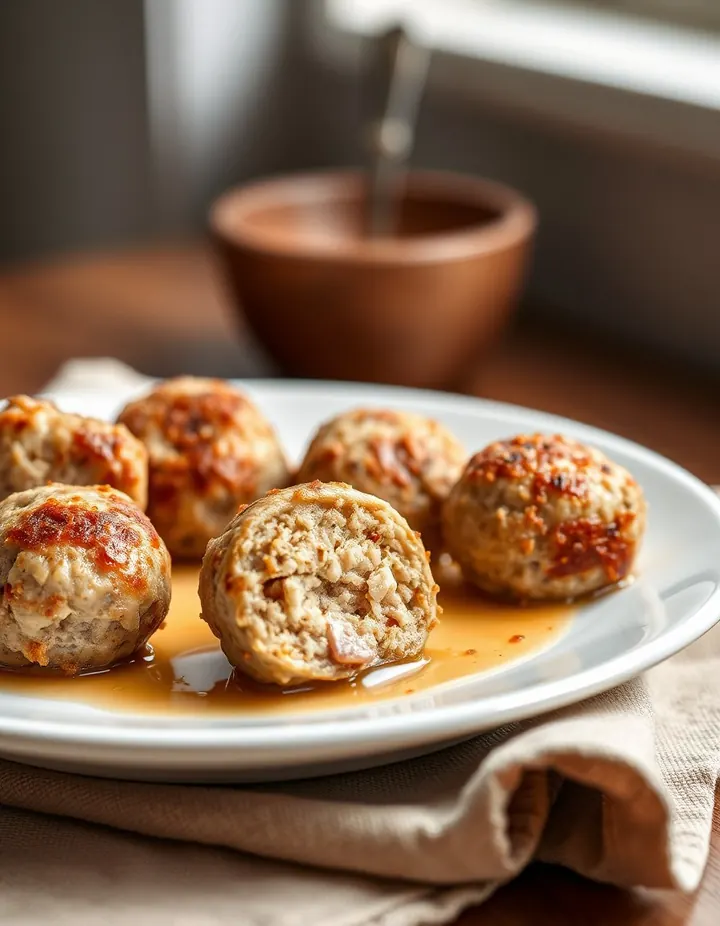 Meatballs37 recipes
The free Flavor Lab newsletter: one surprising pairing a week and the molecular reason it works, in 60 seconds. No spam, unsubscribe anytime.
Prefer an account? Create a free account to save pairings and unlock the full chemistry.