Why it works: Beans and pepper are a kitchen classic. They rank in the top 11% of all ingredient pairs, and cooks put them together in 4,733 recipes. Both carry 2-isopropyl-3-methoxypyrazine, which smells earthy, pea. The science ↓
Pork and Beans
Ingredients
Directions
The book says “a moderate oven”. The 350°F in the steps is the modern equivalent, not the book's own figure.
Soak and parboil
Pick over and wash the pea beans, then soak them overnight in cold water.
In the morning, add 2 cups of water and cook for 10 minutes.
Stir in ½ teaspoon of baking soda and skim off the froth.
Drain the water and place the beans in a pot with a fitted cover.
Season and bake
Mix 1 pint of boiling water with 1 teaspoon of coarse sea salt, a pinch of cayenne, and 1 tablespoon of sugar or molasses, then pour over the beans.
Cover and bake in a moderate oven (350°F / 175°C) for 3 hours.
Add the washed salt pork to the pot.
Score the rind of the pork every half inch.
Press the pork rind down to be even with the beans.
Dust the pork rind with black pepper.
If the water has cooked away, add just enough boiling water to cover the beans.
Bake uncovered for another hour.
Cover closely and cook until evening without adding more water.
Finish and serve
When done, the juice should show when the pot is tilted, the pork rind should be slightly browned, and the beans should be whole but soft.
Serve in a deep dish with the pork on a platter garnished with greens.
Transcribed from a scanned cookbook and modernised for today's kitchens. Where the book gave no heat or time, or said "a moderate oven", the temperatures and times here may be modern equivalents rather than the book's own figures.
Explore the science
The flavor team
The pairs that carry this dish. Each one is judged two ways: how much their aromas overlap, and how often cooks already put them together.
-
Beans + peppertop 11% of all pairsSmell alikemoderateCooked together4,733 recipes
Shared aroma: 2-isopropyl-3-methoxypyrazine (earthy, pea).
-
Beans + porktop 11% of all pairsSmell alikemoderateCooked together2,000 recipes
Shared aroma: 2-isopropyl-3-methoxypyrazine (earthy, pea).
-
Pepper + porktop 16% of all pairsSmell alikemoderateCooked together22,121 recipes
Shared aroma: 2-isopropyl-3-methoxypyrazine (earthy, pea).
-
Beans + sugartop 26% of all pairsSmell alikemoderateCooked together2,587 recipes
Shared aroma: guaiacol (smoky, sweet).
-
Pepper + sugartop 32% of all pairsSmell alikelowCooked together19,401 recipes
Shared aroma: 2-nonenal (fatty, green).
Pepper and sugar barely smell alike, yet cooks put them together in 19,401 recipes: they work on texture and structure more than aroma.
Ranks compare each pair with 20,000 random ingredient pairs on CompKitchen. How we score pairs
What each ingredient does
- Pea beans
- Form the bulk of the dish and turn tender and creamy during the long bake.
- Baking soda
- Raises the pot's alkalinity, helping the beans soften more quickly.
- Salt pork
- Adds fat and savory flavor that seasons the beans as they cook.
- Sugar or molasses
- Adds sweetness and deep color to the bean sauce.
The step that matters
Keeping the beans covered with liquid. Beans that are exposed to air during the long bake can dry out and toughen; topping up with boiling water keeps them moist and lets them cook evenly.
Swap the beans
How well each one fits the dish's main ingredients (pepper, sugar, pork):
- Beansthe original
- Chestnutfits about as well
- Sesamefits about as well
- Black-eyed peafits about as well
Fit is the average pairing score against pepper, sugar, pork. Candidates are from the same food group and used in at least 100 recipes.
“What each ingredient does” and “The step that matters” were written by Claude from this recipe’s own method and reviewed in samples by CompKitchen.
More pork and beans recipes
You might also like
 Pork Cake107 recipes
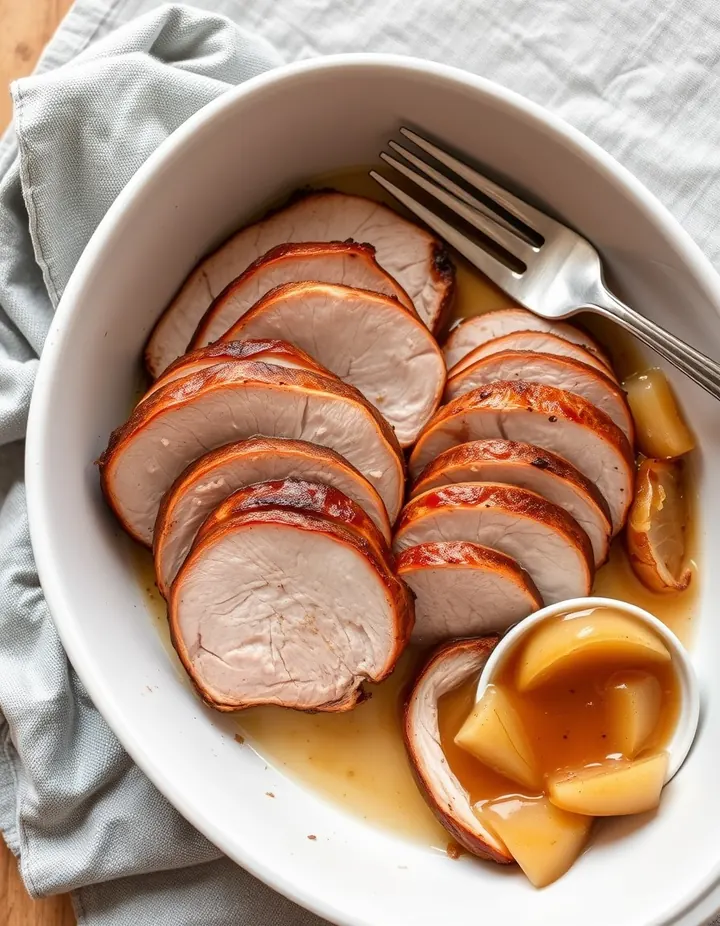 Roast Pork82 recipes
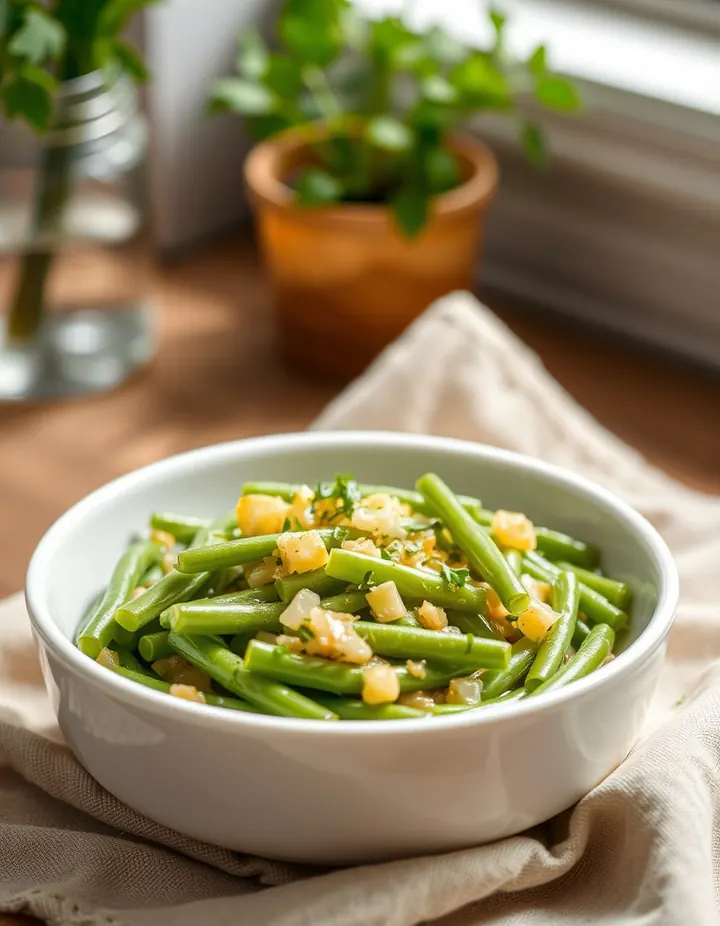 German Style String Beans7 recipes
 Tomato Soup526 recipes
The free Flavor Lab newsletter: one surprising pairing a week and the molecular reason it works, in 60 seconds. No spam, unsubscribe anytime.
Prefer an account? Create a free account to save pairings and unlock the full chemistry.