Why it works: Veal and pork are a kitchen classic. They rank in the top 11% of all ingredient pairs, and cooks put them together in 4,930 recipes. Both carry 4-heptenal, which smells creamy, biscuit. The science ↓
Roast Fillet of Veal
Ingredients
Directions
The book says “a moderate oven”. The 350°F (175°C) in the steps is the modern equivalent, not the book's own figure.
Prepare the veal
Remove the bone from the center of the veal fillet.
Fill the cavity with veal forcemeat.
Create a pocket between the skin and flesh to add more forcemeat.
Skewer the veal and bind it firmly into a round shape.
Dust the veal with flour.
Cover the veal with thin slices of fat pork or spread butter over it if you prefer not to use pork.
Place the veal on a wire rack in a roasting pan.
Roast and baste
Cook the veal in a moderate oven at 350°F (175°C) for 30 minutes per pound.
Baste the veal frequently to prevent burning and ensure it turns a bright, dark brown.
Just before removing from the oven, prepare ½ pint of butter sauce.
Finish and serve
Transfer the cooked meat to a platter.
Remove the pork bits from the platter.
Pour the sauce into the roasting pan to dissolve the glaze.
Remove the strings and skewers from the meat.
Pour some brown gravy around the meat.
Serve the rest in a tureen.
Garnish with cut lemon.
Transcribed from a scanned cookbook and modernised for today's kitchens. Where the book gave no heat or time, or said "a moderate oven", the temperatures and times here may be modern equivalents rather than the book's own figures.
Explore the science
The flavor team
The pairs that carry this dish. Each one is judged two ways: how much their aromas overlap, and how often cooks already put them together.
-
Veal + porktop 11% of all pairsSmell alikemoderateCooked together4,930 recipes
Shared aroma: 4-heptenal (creamy, biscuit).
-
Flour + buttertop 12% of all pairsSmell alikelowCooked together124,287 recipes
Shared aroma: isobutyraldehyde (malty, green).
-
Pork + buttertop 13% of all pairsSmell alikemoderateCooked together13,933 recipes
Shared aroma: 2-furfurylthiol (coffee, roasted).
-
Butter + saucetop 15% of all pairsSmell alikelowCooked together15,338 recipes
Shared aroma: ethanol (alcoholic, ethereal).
-
Butter + lemontop 16% of all pairsSmell alikemoderateCooked together41,227 recipes
Shared aroma: 3-hexenal (apple, fruity).
Flour and butter barely smell alike, yet cooks put them together in 124,287 recipes: they work on texture and structure more than aroma.
Ranks compare each pair with 20,000 random ingredient pairs on CompKitchen. How we score pairs
What each ingredient does
- Veal fillet
- Forms the main body of the roast and is the meat that is cooked and served.
- Veal forcemeat
- Fills the cavity and pocket, keeping the roast moist and adding flavour inside.
- Flour
- Dusted on the surface to help the outside brown during roasting.
- Fat pork
- Covers the meat, basting it with melting fat and protecting it from drying out.
- Butter sauce
- Dissolves the pan glaze and adds richness to the serving sauce.
The step that matters
Basting the veal frequently. Basting keeps the surface moist so it does not burn before the interior is cooked, and it builds the bright, dark brown colour through browning reactions as the fat and juices coat the meat.
Swap the lemon
How well each one fits the dish's main ingredients (veal, flour, pork, butter, sauce):
- Raisinfits about as well
- Avocadofits about as well
- Coconutfits about as well
- Lemonthe original
Fit is the average pairing score against veal, flour, pork, butter, sauce. Candidates are from the same food group and used in at least 100 recipes.
“What each ingredient does” and “The step that matters” were written by Claude from this recipe’s own method and reviewed in samples by CompKitchen.
You might also like
 Lemon Sauce236 recipes
 Pork Cake107 recipes
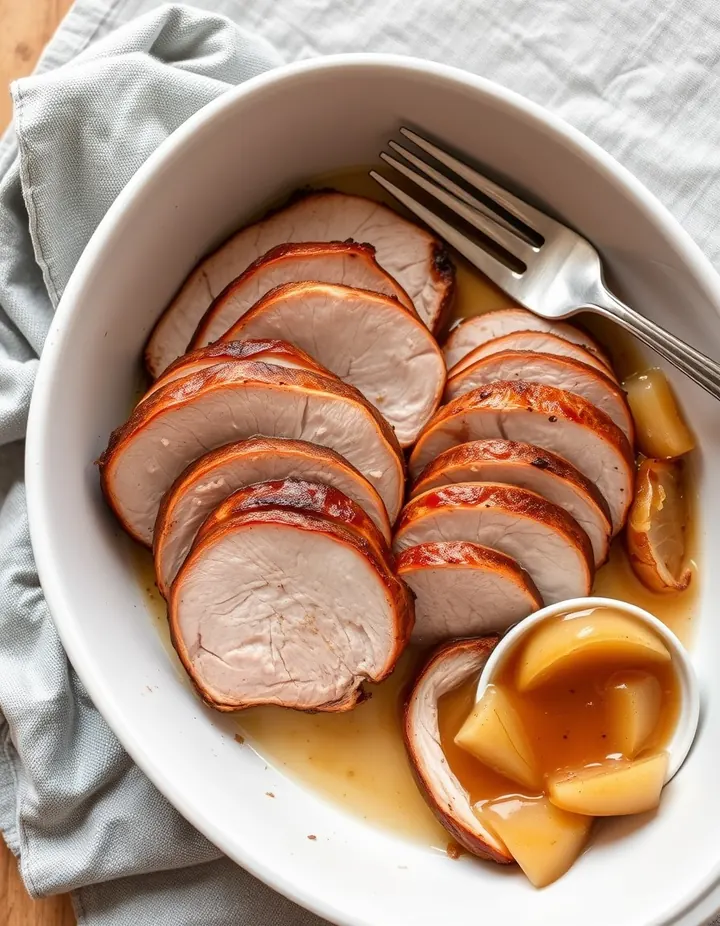 Roast Pork82 recipes
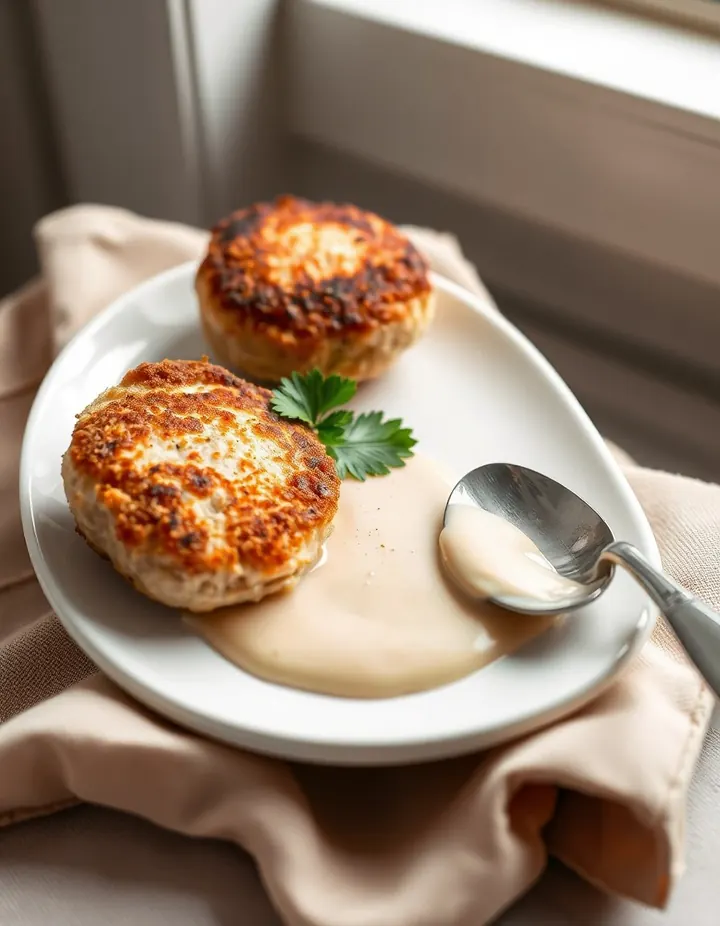 Veal Patties50 recipes
The free Flavor Lab newsletter: one surprising pairing a week and the molecular reason it works, in 60 seconds. No spam, unsubscribe anytime.
Prefer an account? Create a free account to save pairings and unlock the full chemistry.