Why it works: Milk and tomato are a kitchen classic. They rank in the top 15% of all ingredient pairs, and cooks put them together in 2,226 recipes. Both carry 1-octen-3-one, which smells mushroom, metallic. The science ↓
Peptonized Oysters
Ingredients
Directions
Prepare and peptonize
Mince the oysters and place them in their own liquor.
Add the extract of pancreas and bicarbonate of soda, or the peptonizing tube.
Heat the mixture to blood temperature and maintain it for 30 minutes, stirring occasionally.
Finish and serve
Add the milk and keep the temperature for an additional 10 to 20 minutes.
Bring the mixture to a boil, then strain and serve.
Optionally add gelatin to serve the mixture cold as a jelly.
Transcribed from a scanned cookbook and modernised for today's kitchens. Where the book gave no heat or time, or said "a moderate oven", the temperatures and times here may be modern equivalents rather than the book's own figures.
Explore the science
The flavor team
The pairs that carry this dish. Each one is judged two ways: how much their aromas overlap, and how often cooks already put them together.
-
Milk + tomatotop 15% of all pairsSmell alikemoderateCooked together2,226 recipes
Shared aroma: 1-octen-3-one (mushroom, metallic).
-
Oyster + milktop 20% of all pairsSmell alikemoderateCooked together2,933 recipes
Shared aroma: (z)-4-heptenal (biscuit, cream).
-
Oyster + tomatotop 20% of all pairsSmell alikemoderateCooked together534 recipes
Shared aroma: 1-octen-3-one (mushroom, metallic).
-
Milk + gelatintop 21% of all pairsSmell alikelowCooked together1,054 recipes
Shared aroma: maltol (caramel, sweet).
-
Oyster + gelatintop 27% of all pairsSmell alikemoderateCooked together13 recipes
Shared aroma: acetic acid (sour, vinegar).
Ranks compare each pair with 20,000 random ingredient pairs on CompKitchen. How we score pairs
What each ingredient does
- Oysters
- Provide the main body and flavor of the dish once minced and digested.
- Extract of pancreas
- Enzymes that partly break down the oyster proteins, making the mixture softer and more digestible.
- Bicarbonate of soda
- Raises the mixture's alkalinity, helping the enzymes work during the warm holding period.
- Milk
- Adds moisture, richness and a mild sweetness to the smooth mixture.
The step that matters
Holding at blood temperature. The enzymes work only within a narrow warm range. Overheating can destroy them, while holding too cool or too briefly leaves the oysters poorly broken down.
Swap the tomato
The recipe marks tomato as optional. How well each one fits the dish's main ingredients (oyster, milk, gelatin):
- Potatofits better
- Cucumberfits better
- Capsicumfits about as well
- Tomatothe original
Fit is the average pairing score against oyster, milk, gelatin. Candidates are from the same food group and used in at least 100 recipes.
“What each ingredient does” and “The step that matters” were written by Claude from this recipe’s own method and reviewed in samples by CompKitchen.
You might also like
 Tomato Soup526 recipes
 Cream of Tomato Soup107 recipes
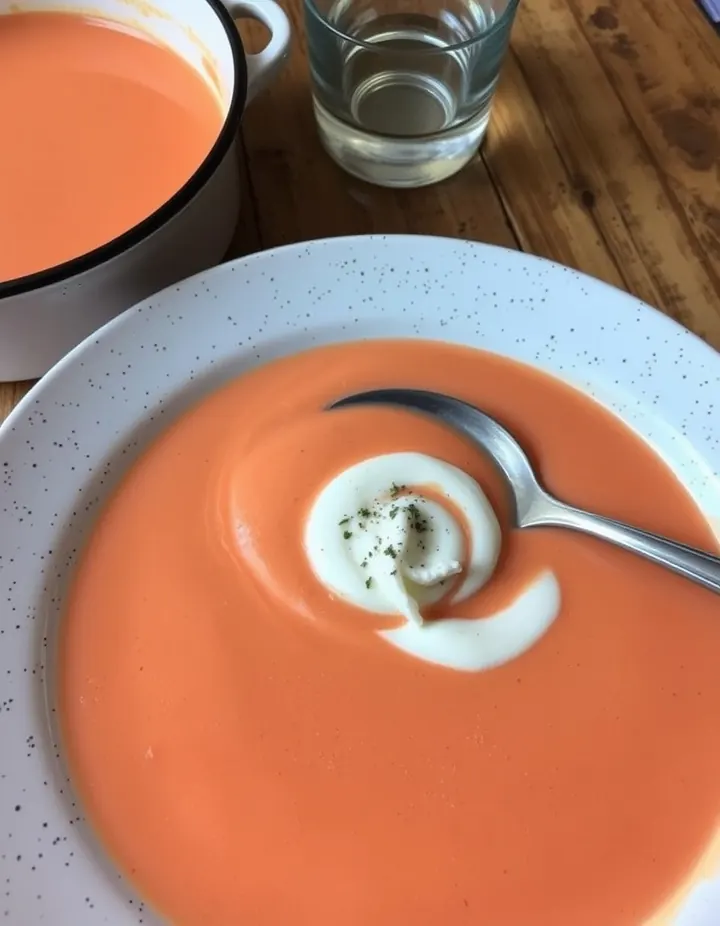 Tomato Bisque61 recipes
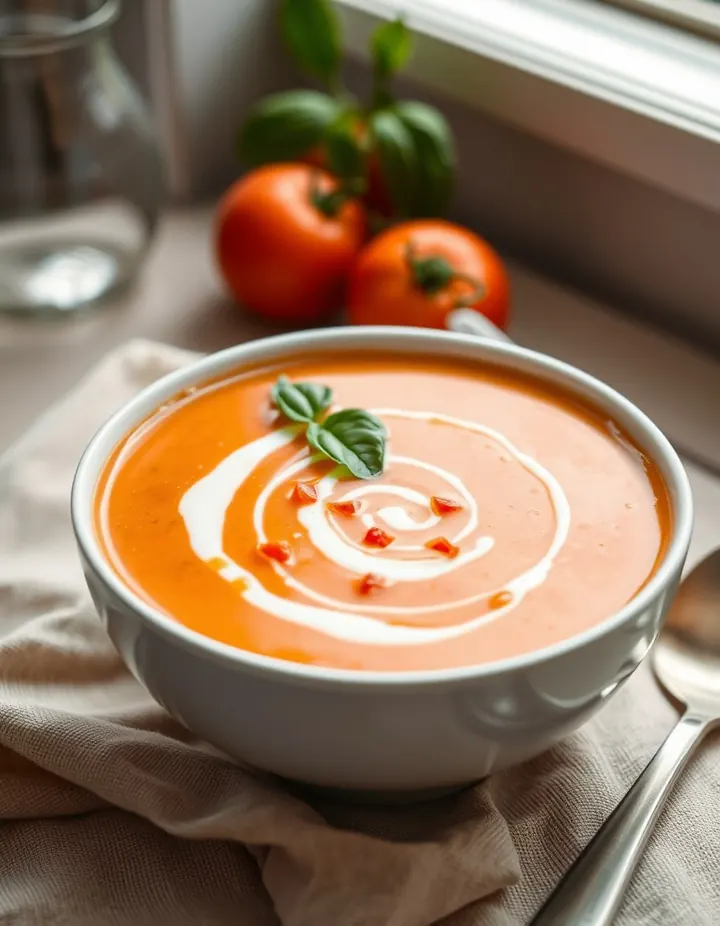 Cream Tomato Soup28 recipes
The free Flavor Lab newsletter: one surprising pairing a week and the molecular reason it works, in 60 seconds. No spam, unsubscribe anytime.
Prefer an account? Create a free account to save pairings and unlock the full chemistry.