Why it works: Ginger and orange match in chemistry and in kitchens. They rank in the top 4% of all ingredient pairs, and cooks put them together in 1,833 recipes. Both carry 1-octen-3-one, which smells mushroom, metallic. The science ↓
To Make Fine Gingerbread
Ingredients
Directions
The book says “a moderate oven”. The 350°F in the steps is the modern equivalent, not the book's own figure.
Make the dough
Melt the treacle and butter together in a clean pan with the coarse raw sugar.
In a deep bowl, combine the flour.
Pour the melted mixture over the flour; stir until well mixed.
Let the mixture stand overnight.
The next day, add dissolved alum and mix well.
On a floured surface, add ginger, Jamaica pepper, and candied orange peel to the dough; mix thoroughly.
Incorporate about ½ pound more flour and shape the dough into square cakes.
Bake and serve
Place the cakes on a clean tin, glaze with sugar and water, and bake in a moderate oven (350°F or 175°C) for about an hour.
Allow the cakes to cool slightly before removing them from the tin.
Transcribed from a scanned cookbook and modernised for today's kitchens. Where the book gave no heat or time, or said "a moderate oven", the temperatures and times here may be modern equivalents rather than the book's own figures.
Explore the science
The flavor team
The pairs that carry this dish. Each one is judged two ways: how much their aromas overlap, and how often cooks already put them together.
-
Ginger + orangetop 4% of all pairsSmell alikestrongCooked together1,833 recipes
Shared aroma: 1-octen-3-one (mushroom, metallic).
-
Ginger + peppertop 9% of all pairsSmell alikestrongCooked together6,800 recipes
Shared aroma: 2-isopropyl-3-methoxypyrazine (earthy, pea).
-
Pepper + orangetop 10% of all pairsSmell alikestrongCooked together2,402 recipes
Shared aroma: ethyl 2-methylbutyrate (fruity, apple).
-
Butter + flourtop 12% of all pairsSmell alikelowCooked together124,287 recipes
Shared aroma: isobutyraldehyde (malty, green).
-
Sugar + flourtop 15% of all pairsSmell alikemoderateCooked together92,116 recipes
Shared aroma: phenylacetaldehyde (hawthorne, honey).
Butter and flour barely smell alike, yet cooks put them together in 124,287 recipes: they work on texture and structure more than aroma.
Ranks compare each pair with 20,000 random ingredient pairs on CompKitchen. How we score pairs
What each ingredient does
- Treacle
- Adds sweetness, moisture and a dark, rich colour to the dough.
- Butter
- Adds fat for a tender crumb and rich flavour.
- Flour
- Forms the structure that holds the dough and sets as it bakes.
- Coarse raw sugar
- Adds sweetness and helps the cakes brown on the surface.
- Ginger
- Provides the characteristic spicy aroma and warmth.
- Candied orange peel
- Adds sweet, citrusy aroma and chewy pieces throughout the cake.
The step that matters
Adding the dissolved alum. Alum is a leavening agent that reacts to lift and loosen the dough; it must be fully dissolved and evenly mixed so the rise is uniform rather than patchy.
Swap the orange
How well each one fits the dish's main ingredients (butter, sugar, flour, ginger, pepper):
- Lemonfits better
- Limefits better
- Raisinfits better
- Orangethe original
Fit is the average pairing score against butter, sugar, flour, ginger, pepper. Candidates are from the same food group and used in at least 100 recipes.
“What each ingredient does” and “The step that matters” were written by Claude from this recipe’s own method and reviewed in samples by CompKitchen.
More gingerbread recipes
You might also like
 Orange Bundt Cake349 recipes
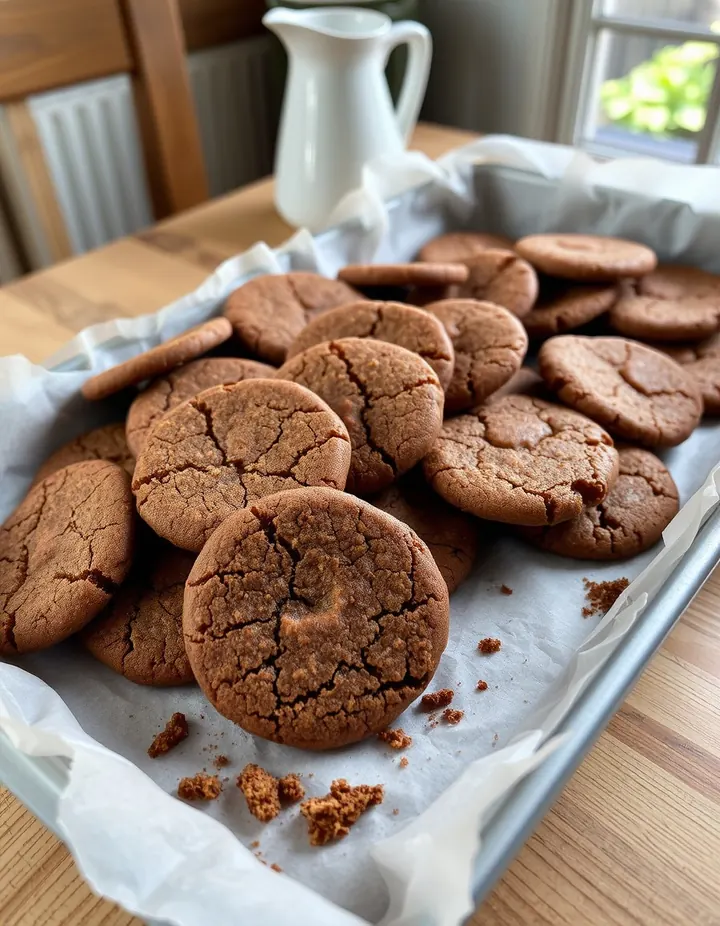 Ginger Cookies213 recipes
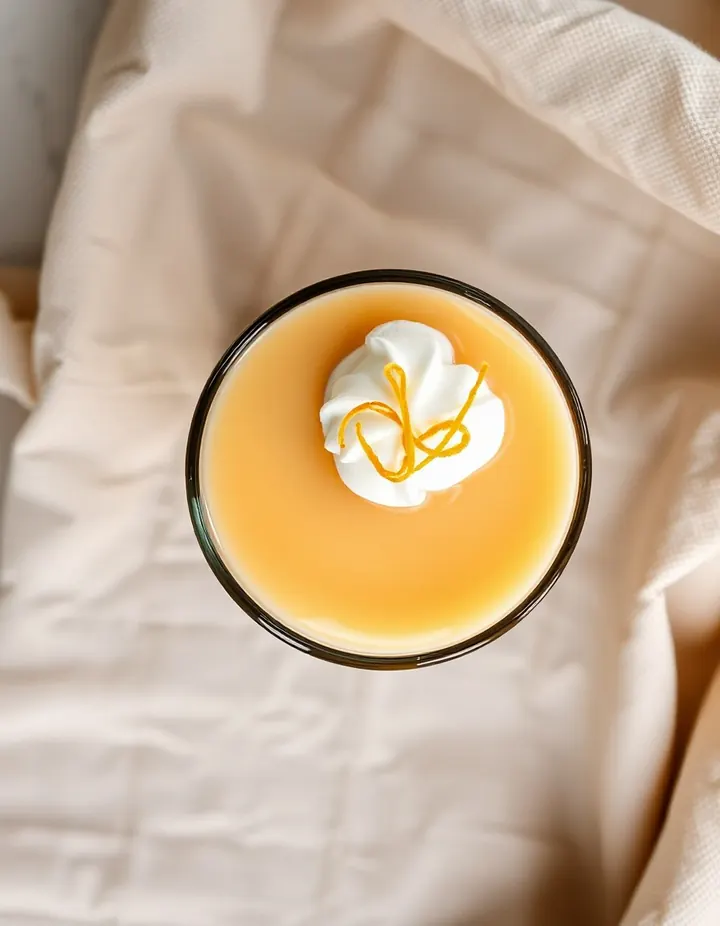 Orange Cream Rice Pudding121 recipes
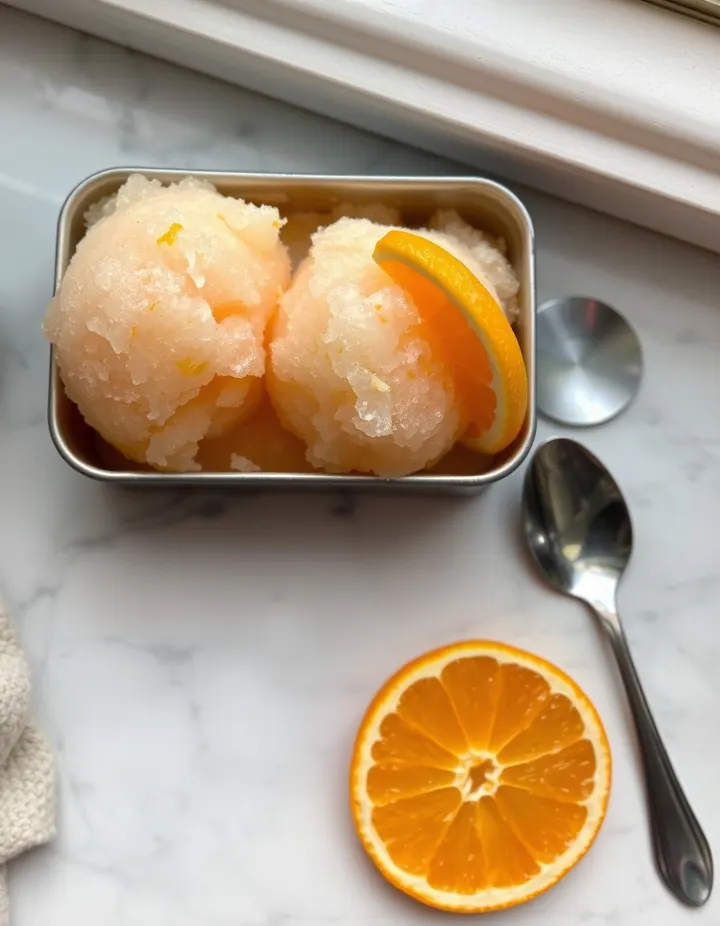 Orange Gelatin100 recipes
The free Flavor Lab newsletter: one surprising pairing a week and the molecular reason it works, in 60 seconds. No spam, unsubscribe anytime.
Prefer an account? Create a free account to save pairings and unlock the full chemistry.