Why it works: Flour and malt work together. They rank in the top 24% of all ingredient pairs, and cooks put them together in 260 recipes. Both carry isobutyraldehyde, which smells malty, green. The science ↓
Stock Yeast
Ingredients
Directions
Prepare the hops liquid
Boil 3 gallons of water in a clean kettle.
Add 4 oz of hops and boil for 10 to 15 minutes.
Make the mash
In an earthen jar or oak tub, combine 2½ lbs of flour and 1½ lbs of malt.
Strain some boiling liquid from the hops into the flour and malt, and mash to a paste.
Strain the remaining liquid into the mixture and stir well.
Cool, pitch and rise
Let the mixture cool to blood-heat or lukewarm.
Mix in 1 quart of stock or brewers' yeast.
Cover and let rise in a cool place for 30 to 40 hours.
Transcribed from a scanned cookbook and modernised for today's kitchens. Where the book gave no heat or time, or said "a moderate oven", the temperatures and times here may be modern equivalents rather than the book's own figures.
Explore the science
The flavor team
The pairs that carry this dish. Each one is judged two ways: how much their aromas overlap, and how often cooks already put them together.
-
Flour + malttop 24% of all pairsSmell alikelowCooked together260 recipes
Shared aroma: isobutyraldehyde (malty, green).
-
Hops + flourtop 32% of all pairsSmell alikelowCooked together10 recipes
Shared aroma: eugenol (clove, spicy).
-
Hops + malttop 49% of all pairsSmell alikelowCooked together1 recipe
Shared aroma: guaiacol (smoky, sweet).
Ranks compare each pair with 20,000 random ingredient pairs on CompKitchen. How we score pairs
What each ingredient does
- Flour
- Forms the thick body of the starter and provides starches for the yeast to work on.
- Malt
- Supplies sugars and enzymes that feed the yeast and add sweetness and flavor.
- Hops
- Adds bitterness and aroma and helps preserve the starter against spoilage.
- Stock or brewers' yeast
- Provides the living yeast cultures that ferment the sugars and make the mixture rise.
The step that matters
Cool to lukewarm before adding the yeast. Yeast is killed by very hot liquid, so the mixture must cool to about blood-heat before the stock or yeast goes in. Too hot and the culture dies, and the starter will not rise.
“What each ingredient does” and “The step that matters” were written by Claude from this recipe’s own method and reviewed in samples by CompKitchen.
More yeast starter recipes
You might also like
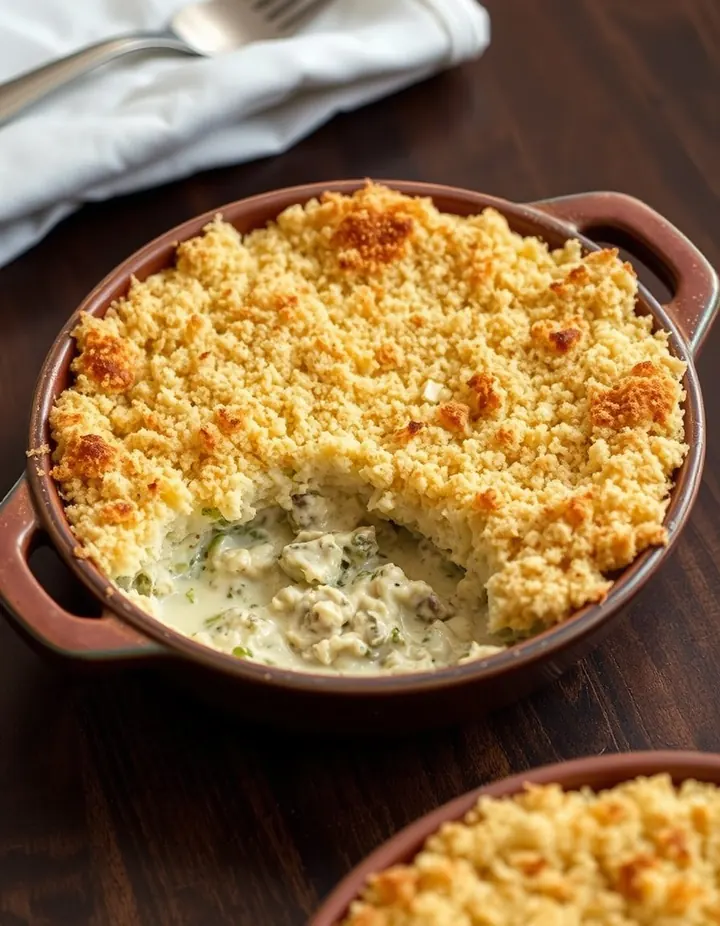 Deviled Oysters25 recipes
The free Flavor Lab newsletter: one surprising pairing a week and the molecular reason it works, in 60 seconds. No spam, unsubscribe anytime.
Prefer an account? Create a free account to save pairings and unlock the full chemistry.