Why it works: Flour and butter are a kitchen classic. They rank in the top 12% of all ingredient pairs, and cooks put them together in 124,287 recipes. Both carry isobutyraldehyde, which smells malty, green. The science ↓
Brioche
Ingredients
Directions
The book says “a moderate oven”. The 350°F in the steps is the modern equivalent, not the book's own figure.
Make the sponge
Use 4 oz of flour with the yeast, a little salt, and enough lukewarm water to form a sponge.
Dust the top with flour, cover with a napkin, and let it rise in a warm place.
Make the dough
Once risen, place the remaining flour on a surface and add the creamed butter, a little powdered sugar, and a pinch of salt.
Mix well with the sponge and the beaten eggs.
Gather the mixture in a basin, dust with flour, and let it rise again.
Bake
Butter a large round mold and fill it a little more than half full.
Let it rise in the mold, then bake in a moderate oven (350 °F / 175 °C) for about 30‑40 minutes.
Transcribed from a scanned cookbook and modernised for today's kitchens. Where the book gave no heat or time, or said "a moderate oven", the temperatures and times here may be modern equivalents rather than the book's own figures.
Explore the science
The flavor team
The pairs that carry this dish. Each one is judged two ways: how much their aromas overlap, and how often cooks already put them together.
-
Flour + buttertop 12% of all pairsSmell alikelowCooked together124,287 recipes
Shared aroma: isobutyraldehyde (malty, green).
-
Flour + eggtop 15% of all pairsSmell alikelowCooked together106,462 recipes
Shared aroma: isobutyraldehyde (malty, green).
-
Butter + eggtop 17% of all pairsSmell alikemoderateCooked together118,967 recipes
Shared aroma: decanal (soap, orange peel).
Flour and butter barely smell alike, yet cooks put them together in 124,287 recipes: they work on texture and structure more than aroma.
Ranks compare each pair with 20,000 random ingredient pairs on CompKitchen. How we score pairs
What each ingredient does
- Flour
- Provides the structure that holds the dough together as it rises and bakes.
- Butter
- Adds richness and a tender, crumbly texture to the crumb.
- Yeast
- Produces gas during fermentation, making the dough rise and become light.
- Eggs
- Add richness, moisture, and structure, helping the bread set and enrich its crumb.
The step that matters
Let the dough rise fully before baking. Yeast needs time to produce enough gas for a light, airy crumb. Under-proofed dough bakes dense, while over-proofed dough can collapse, so the rise should be complete but not excessive.
“What each ingredient does” and “The step that matters” were written by Claude from this recipe’s own method and reviewed in samples by CompKitchen.
More brioche recipes
You might also like
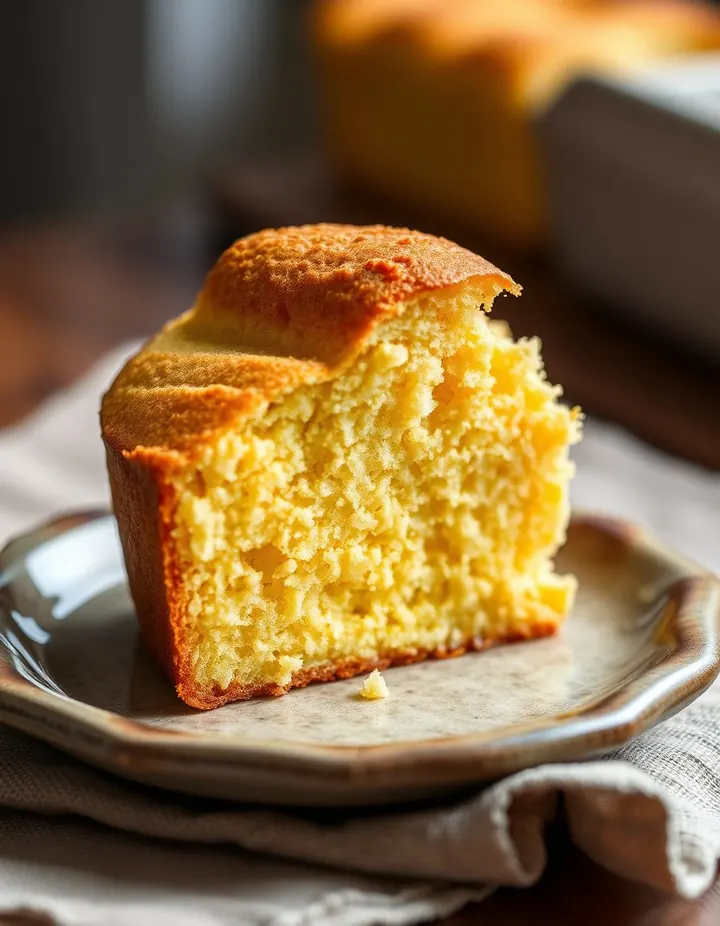 Cornbread345 recipes
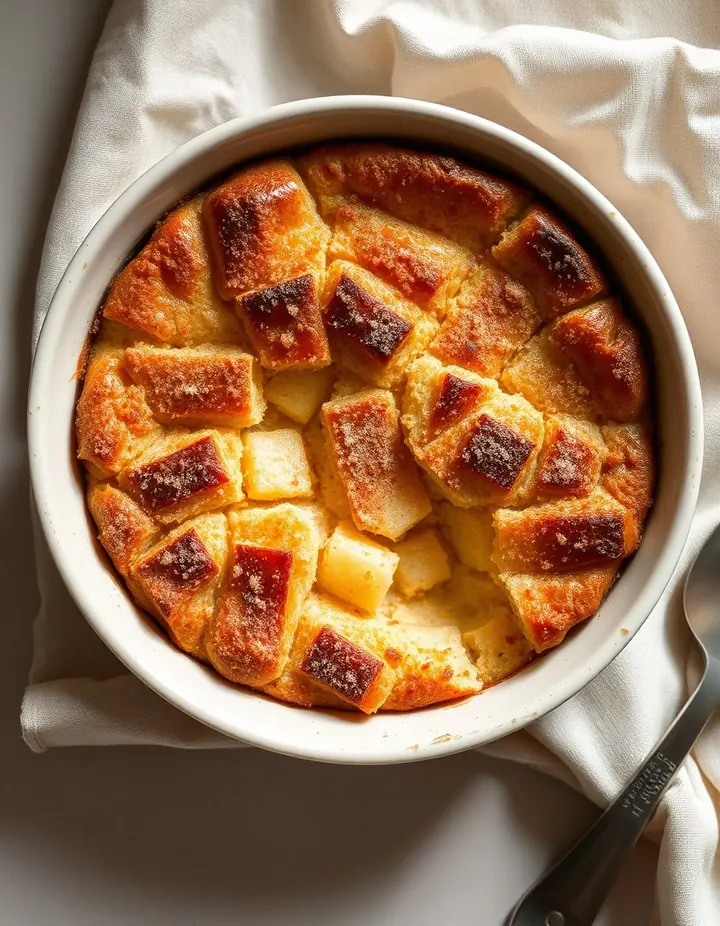 Bread Pudding336 recipes
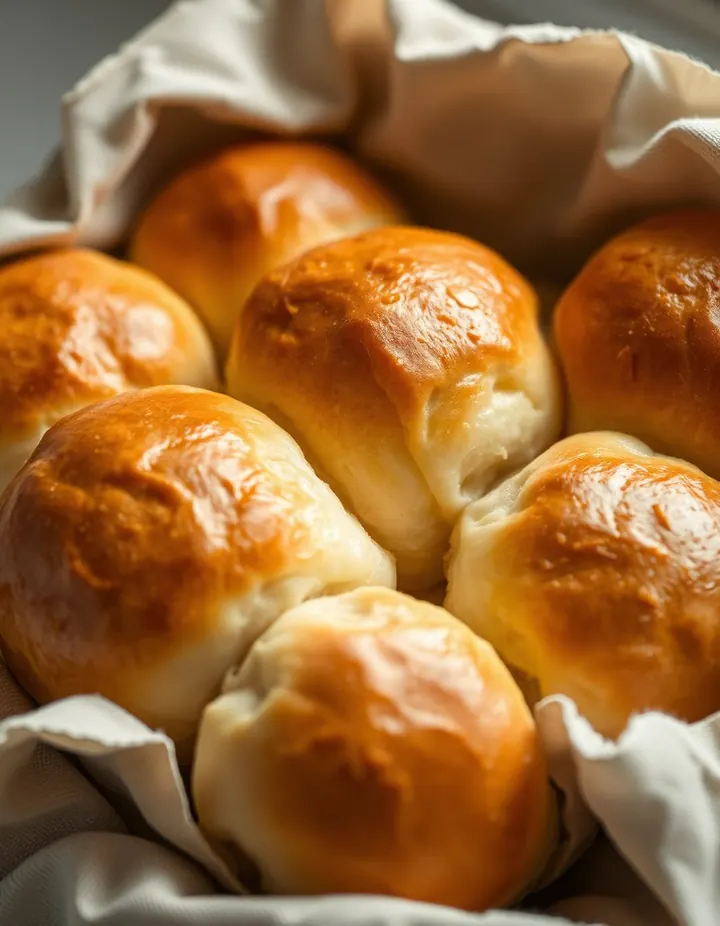 Milk Bread Rolls242 recipes
 Potato Bread124 recipes
The free Flavor Lab newsletter: one surprising pairing a week and the molecular reason it works, in 60 seconds. No spam, unsubscribe anytime.
Prefer an account? Create a free account to save pairings and unlock the full chemistry.