Why it works: Rice and onion are a kitchen classic. They rank in the top 9% of all ingredient pairs, and cooks put them together in 10,433 recipes. Both carry 2,4-decadienal, which smells seaweed. The science ↓
Curry of Tripe
Ingredients
Directions
Prepare the tripe
Put the tripe in a saucepan of cold water and bring the water to a boil.
Remove the tripe immediately (blanching).
Scrape the tripe with a knife and cleanse it thoroughly.
Cut the tripe into small pieces.
Simmer the tripe
Place the tripe pieces in a saucepan and cover with cold water.
Peel the onion and cut it partially through.
Add the onion to the saucepan with the tripe.
Bring the saucepan to a boil.
Reduce the heat.
Let it simmer for at least 2.5 hours.
Check the tripe with a fork; it should be very tender when done.
Remove the saucepan from the heat.
Place the saucepan on paper on the table.
Use a fork to take out the tripe pieces.
Place the tripe pieces on a dish.
Make the sauce
In a small saucepan, combine the flour, curry powder, and dripping.
Mix the mixture well with a wooden spoon.
Add enough cold water to form a stiff paste.
Pour in ½ pint of the liquid from boiling the tripe and heat the saucepan.
Stir until the mixture boils and thickens, avoiding lumps.
Stir in the brown sugar and salt to taste.
Set the sauce aside to cool.
Cut the boiled onion into shreds.
Transcribed from a scanned cookbook and modernised for today's kitchens. Where the book gave no heat or time, or said "a moderate oven", the temperatures and times here may be modern equivalents rather than the book's own figures.
Explore the science
The flavor team
The pairs that carry this dish. Each one is judged two ways: how much their aromas overlap, and how often cooks already put them together.
-
Rice + oniontop 9% of all pairsSmell alikemoderateCooked together10,433 recipes
Shared aroma: 2,4-decadienal (seaweed).
-
Flour + sugartop 15% of all pairsSmell alikemoderateCooked together92,116 recipes
Shared aroma: phenylacetaldehyde (hawthorne, honey).
-
Rice + flourtop 16% of all pairsSmell alikemoderateCooked together6,611 recipes
Shared aroma: isobutyraldehyde (malty, green).
-
Onion + flourtop 17% of all pairsSmell alikemoderateCooked together32,460 recipes
Shared aroma: isobutyraldehyde (malty, green).
-
Rice + sugartop 26% of all pairsSmell alikelowCooked together8,744 recipes
Shared aroma: 2-nonenal (fatty, green).
Ranks compare each pair with 20,000 random ingredient pairs on CompKitchen. How we score pairs
What each ingredient does
- Tripe
- Main ingredient; long simmering makes its tough texture tender enough to eat.
- Flour
- Starch thickens the sauce as it boils, giving it body.
- Curry powder
- Provides the spiced aroma and main flavour of the sauce.
- Dripping
- Animal fat that carries the curry flavour and adds richness.
- Onion
- Softens and sweetens during simmering, adding savoury flavour to the broth.
- Brown sugar
- Adds a little sweetness that balances the savoury and spiced flavours.
The step that matters
Thickening the sauce without lumps. Flour must be worked into a smooth stiff paste before the liquid is added, and the mixture must reach a boil so the starch swells and thickens. Adding liquid too quickly traps dry flour in lumps.
Swap the onion
How well each one fits the dish's main ingredients (rice, flour, sugar):
- Arrowrootfits better
- Sweet potatofits better
- Okrafits better
- Onionthe original
Fit is the average pairing score against rice, flour, sugar. Candidates are from the same food group and used in at least 100 recipes.
“What each ingredient does” and “The step that matters” were written by Claude from this recipe’s own method and reviewed in samples by CompKitchen.
You might also like
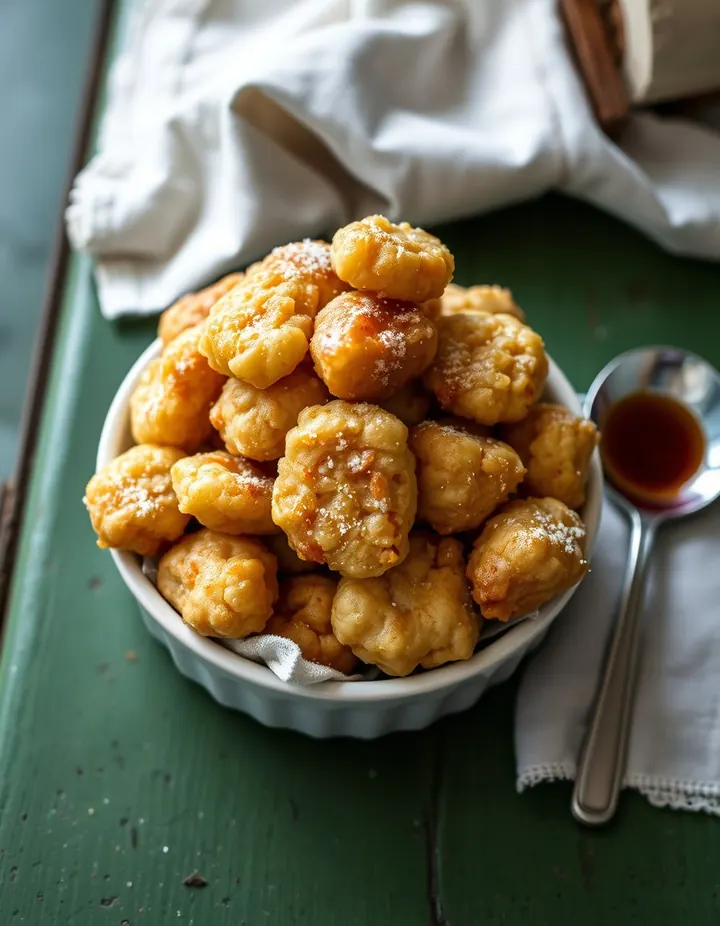 Rice Fritters84 recipes
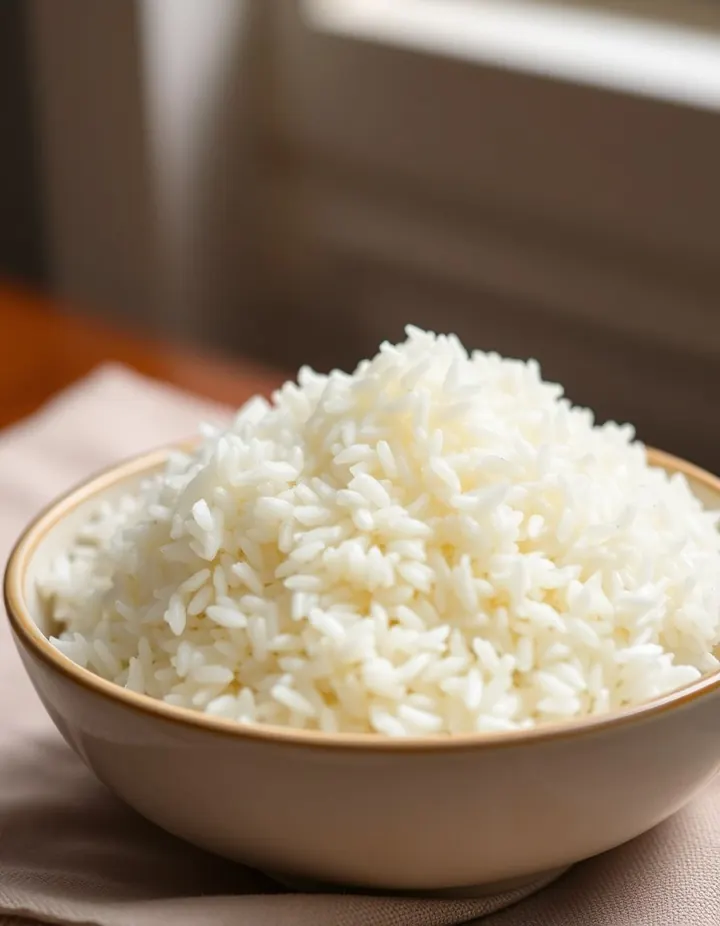 Steamed Rice48 recipes
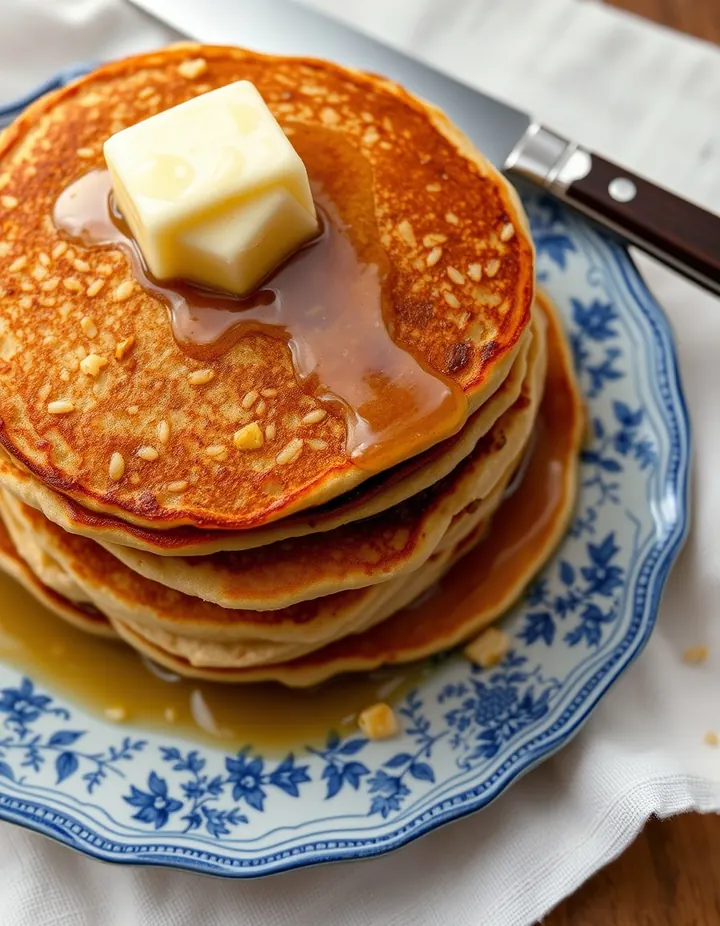 Rice Griddle Cakes28 recipes
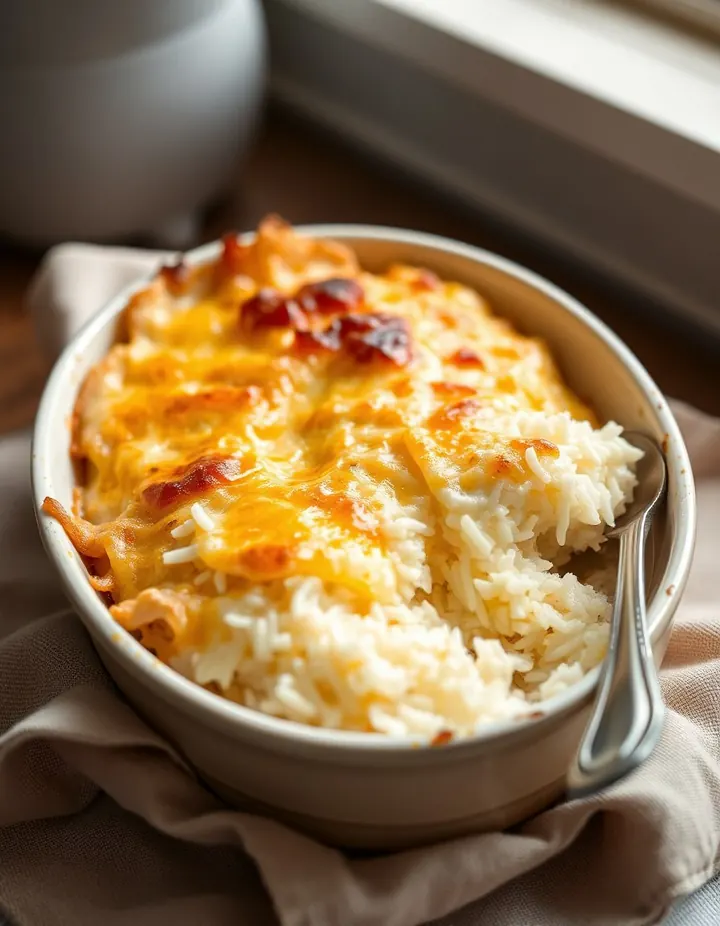 Rice and Cheese Casserole23 recipes
The free Flavor Lab newsletter: one surprising pairing a week and the molecular reason it works, in 60 seconds. No spam, unsubscribe anytime.
Prefer an account? Create a free account to save pairings and unlock the full chemistry.