Why it works: Ham and bread are a kitchen classic. They rank in the top 7% of all ingredient pairs, and cooks put them together in 2,536 recipes. Both carry 2-acetyl-1-pyrroline, which smells popcorn, roasted. The science ↓
To Bake a Ham
Ingredients
Directions
The book says “a hot oven”. The 400°F (200°C) in the steps is the modern equivalent, not the book's own figure.
Prepare the ham
Soak the ham overnight in cold water if necessary, depending on how long it has been since curing.
Make a paste with flour and water until it has an elastic consistency.
Encase the ham in the paste and seal the edges carefully.
Bake and finish
Heat some drippings in a tin and place the ham inside, basting thoroughly.
Bake in a hot oven at 400°F (200°C) until the paste begins to crack, about 30 minutes per pound plus an additional 30 minutes.
Remove the hard crust and rind from the ham.
Dredge the ham with bread crumbs or glaze it.
Garnish with cloves if desired.
Transcribed from a scanned cookbook and modernised for today's kitchens. Where the book gave no heat or time, or said "a moderate oven", the temperatures and times here may be modern equivalents rather than the book's own figures.
Explore the science
The flavor team
The pairs that carry this dish. Each one is judged two ways: how much their aromas overlap, and how often cooks already put them together.
-
Ham + breadtop 7% of all pairsSmell alikemoderateCooked together2,536 recipes
Shared aroma: 2-acetyl-1-pyrroline (popcorn, roasted).
-
Flour + clovetop 15% of all pairsSmell alikemoderateCooked together12,671 recipes
Shared aroma: isobutyraldehyde (malty, green).
-
Bread + clovetop 17% of all pairsSmell alikemoderateCooked together2,129 recipes
Shared aroma: ethyl octanoate (fruity, wine).
-
Ham + clovetop 18% of all pairsSmell alikelowCooked together1,666 recipes
Shared aroma: gamma-decalactone (peach, creamy).
-
Flour + breadtop 25% of all pairsSmell alikelowCooked together10,383 recipes
Shared aroma: isobutyraldehyde (malty, green).
Flour and bread barely smell alike, yet cooks put them together in 10,383 recipes: they work on texture and structure more than aroma.
Ranks compare each pair with 20,000 random ingredient pairs on CompKitchen. How we score pairs
What each ingredient does
- Ham
- Is the main meat that is cooked and served.
- Flour
- Forms an elastic paste that encases the ham and protects it during baking.
- Water
- Hydrates the flour so it forms a workable, elastic paste.
- Drippings
- Add fat and flavour when basting the ham in the tin.
- Bread crumbs
- Coat the ham to add a crisp, browned surface.
The step that matters
Sealing the paste around the ham. Edges sealed tightly keep the ham enclosed so moisture stays in during the long bake. Gaps let juices escape and the meat dries out.
Swap the clove
The recipe marks clove as optional. How well each one fits the dish's main ingredients (ham, flour, bread):
- Capersfits better
- Nutmegfits better
- Marjoramfits better
- Clovethe original
Fit is the average pairing score against ham, flour, bread. Candidates are from the same food group and used in at least 100 recipes.
“What each ingredient does” and “The step that matters” were written by Claude from this recipe’s own method and reviewed in samples by CompKitchen.
More baked ham recipes
You might also like
 Brown Bread461 recipes
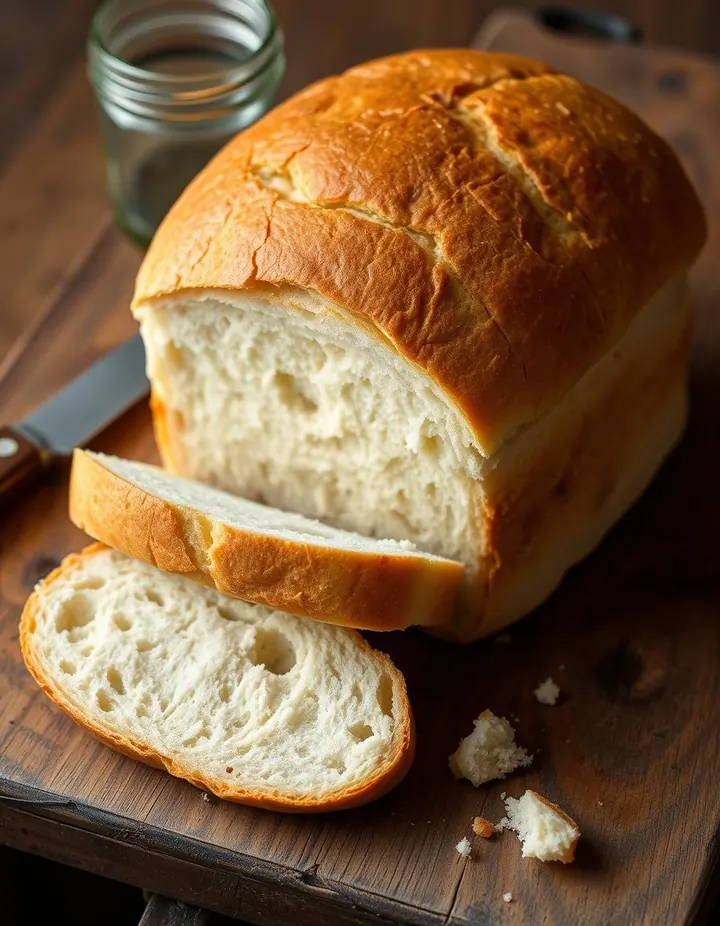 White Bread80 recipes
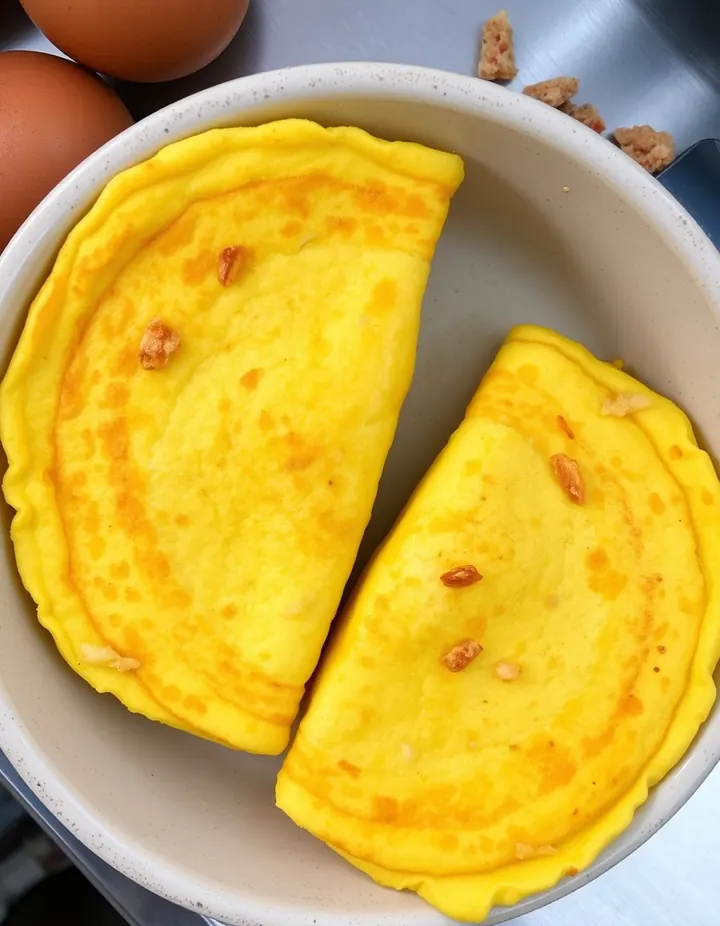 Bread Omelette60 recipes
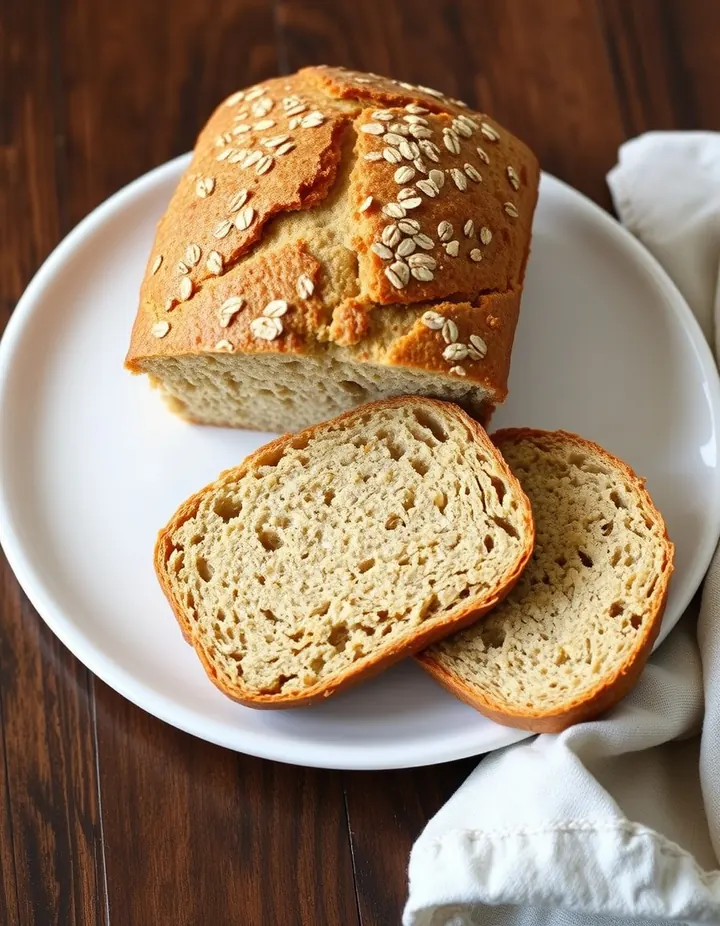 Oatmeal Bread51 recipes
The free Flavor Lab newsletter: one surprising pairing a week and the molecular reason it works, in 60 seconds. No spam, unsubscribe anytime.
Prefer an account? Create a free account to save pairings and unlock the full chemistry.