Why it works: Apple and sugar are a kitchen classic. They rank in the top 18% of all ingredient pairs, and cooks put them together in 16,478 recipes. Both carry beta-damascenone, which smells apple, rose. The science ↓
Apple and Damson Jelly
Ingredients
Directions
Extract the juice
Wash the apples and cut them into pieces.
Wash the damsons.
Place the apples and damsons in a pan and cover well with water.
Simmer slowly until tender.
Mash the mixture well and strain overnight through a scalded jelly bag.
Reheat the pulp by simmering gently for 1 hour.
Strain again and mix the extracts.
Test for pectin clot and concentrate by reboiling if necessary.
Make the jelly
When a good clot is obtained, add 1 lb of sugar for every 1 lb of juice.
Dissolve the sugar in the juice, then boil rapidly until the jelly is ready.
Skim quickly and pour into warm, dry jars.
Transcribed from a scanned cookbook and modernised for today's kitchens. Where the book gave no heat or time, or said "a moderate oven", the temperatures and times here may be modern equivalents rather than the book's own figures.
Explore the science
The flavor team
The pairs that carry this dish. Each one is judged two ways: how much their aromas overlap, and how often cooks already put them together.
-
Apple + sugartop 18% of all pairsSmell alikelowCooked together16,478 recipes
Shared aroma: beta-damascenone (apple, rose).
Apple and sugar barely smell alike, yet cooks put them together in 16,478 recipes: they work on texture and structure more than aroma.
Ranks compare each pair with 20,000 random ingredient pairs on CompKitchen. How we score pairs
What each ingredient does
- Apples
- Their natural pectin helps the juice set into a firm jelly.
- Damsons
- Their tart flavour and pectin add acidity and help the jelly set.
- Sugar
- Adds sweetness and, with boiling, helps the jelly set and keep its texture.
The step that matters
Testing for pectin clot before adding sugar. Sugar must be added only after the pectin clot test shows enough pectin and acid are present. Adding sugar too early, or with too little concentration, can leave the jelly runny or fail to set.
“What each ingredient does” and “The step that matters” were written by Claude from this recipe’s own method and reviewed in samples by CompKitchen.
You might also like
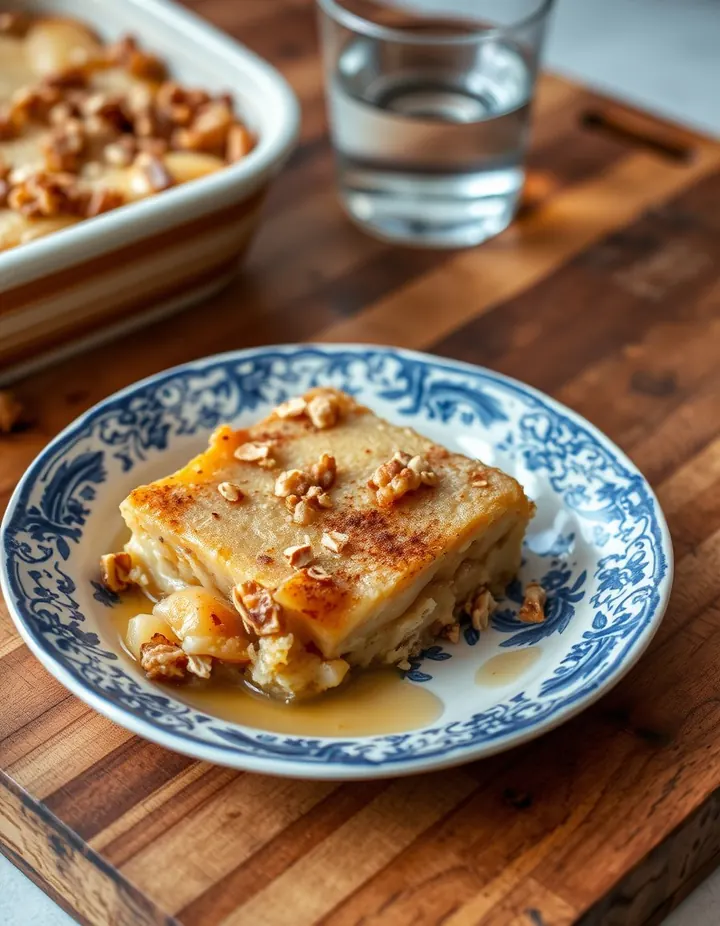 Apple Pudding256 recipes
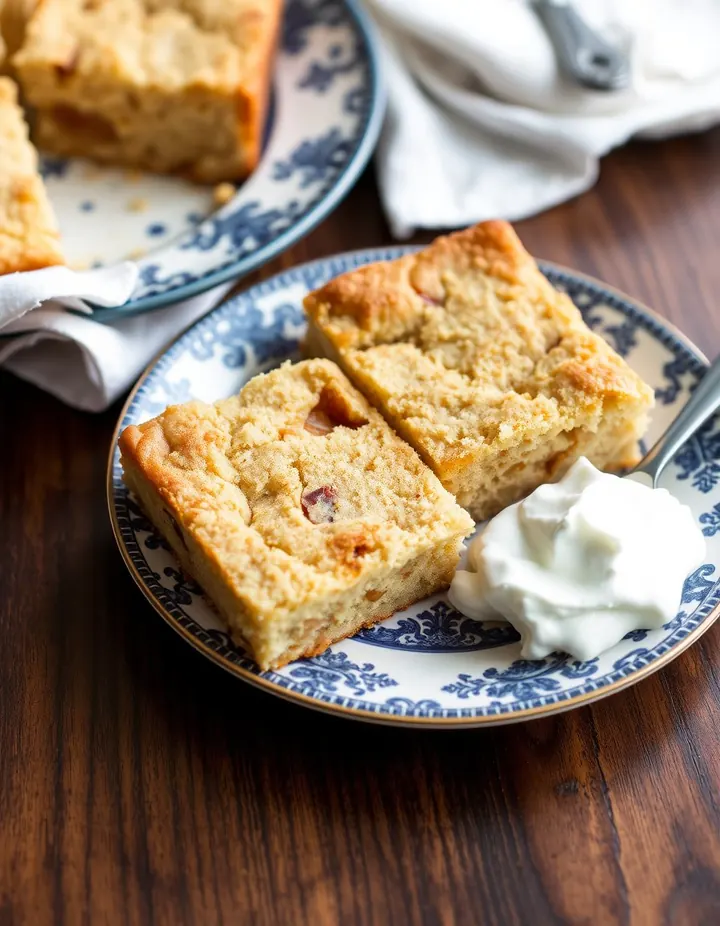 Apple Cake80 recipes
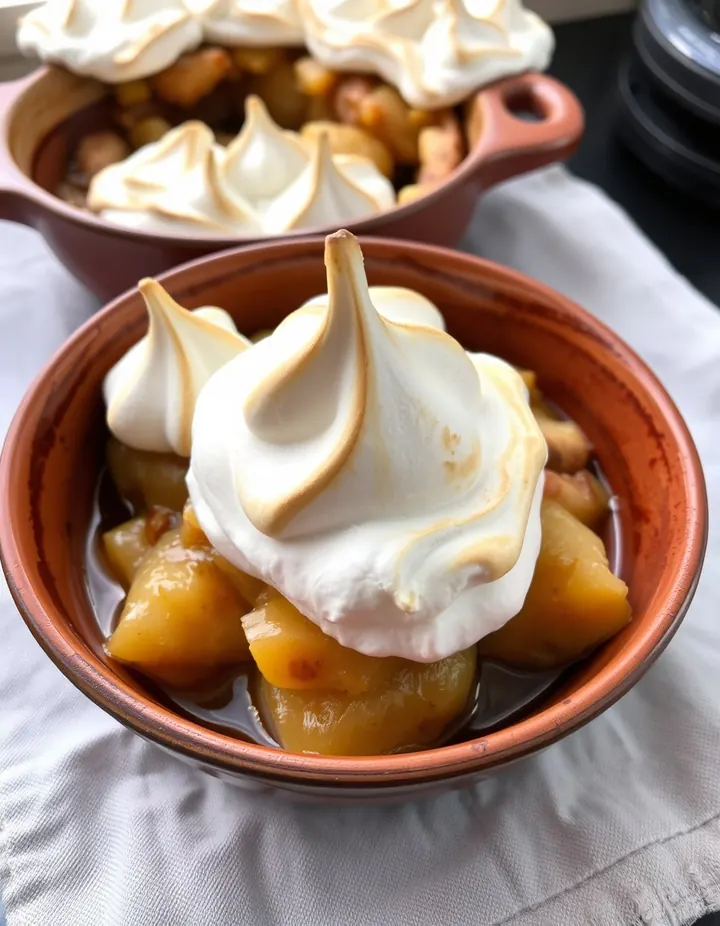 Apple Meringue75 recipes
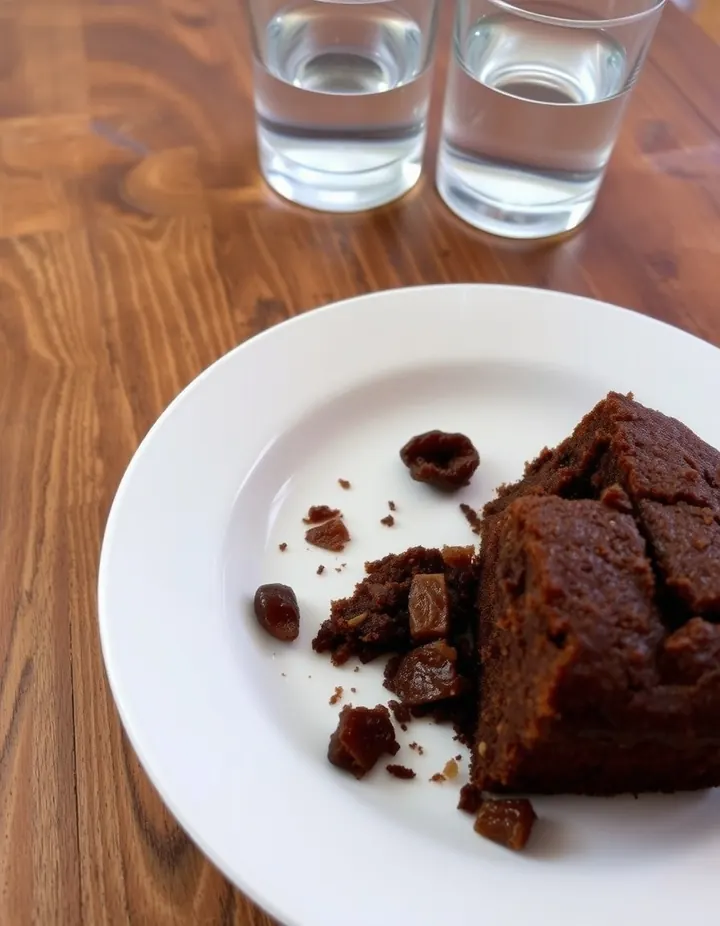 Dried Apple Cake51 recipes
The free Flavor Lab newsletter: one surprising pairing a week and the molecular reason it works, in 60 seconds. No spam, unsubscribe anytime.
Prefer an account? Create a free account to save pairings and unlock the full chemistry.