Why it works: Almond and walnut match in chemistry and in kitchens. They rank in the top 2% of all ingredient pairs, and cooks put them together in 993 recipes. Both carry 2,4-decadienal, which smells seaweed. The science ↓
Lady Baltimore Cake
Ingredients
Directions
The book gives no oven temperature. The 350°F (175°C) in the steps was added when the recipe was transcribed, as a starting point.
Make the cake
Cream the butter and gradually add the sugar.
Mix and sift the flour and baking powder, then add alternately with the milk to the butter mixture.
Add the almond extract and the beaten egg whites.
Bake in two deep layer cake pans at 350°F (175°C) until golden.
Make the filling and frosting
For the filling and frosting, mix 4 cups sugar and ½ teaspoon cream of tartar with 1 cup cold water in a saucepan.
Bring to a boil and cook until the mixture drops from a wooden spoon like honey.
Add 1 cup of this syrup to the beaten egg whites and beat constantly.
Return the remaining syrup to the heat and cook until it spins a thread.
Remove from heat and pour over the egg mixture, beating constantly until thickened.
Fold in the walnut pieces, raisins, and vanilla.
Assemble
Spread the filling between the layers and over the top and sides of the cake.
Transcribed from a scanned cookbook and modernised for today's kitchens. Where the book gave no heat or time, or said "a moderate oven", the temperatures and times here may be modern equivalents rather than the book's own figures.
Explore the science
The flavor team
The pairs that carry this dish. Each one is judged two ways: how much their aromas overlap, and how often cooks already put them together.
-
Almond + walnuttop 2% of all pairsSmell alikestrongCooked together993 recipes
Shared aroma: 2,4-decadienal (seaweed).
-
Flour + almondtop 5% of all pairsSmell alikemoderateCooked together8,673 recipes
Shared aroma: isobutyraldehyde (malty, green).
-
Butter + milktop 7% of all pairsSmell alikemoderateCooked together81,283 recipes
Shared aroma: (z)-4-heptenal (biscuit, cream).
-
Butter + creamtop 8% of all pairsSmell alikemoderateCooked together41,516 recipes
Shared aroma: delta-dodecalactone (sweet, creamy).
-
Sugar + creamtop 9% of all pairsSmell alikemoderateCooked together43,450 recipes
Shared aroma: 2,3-butanedione (butter, sweet).
Ranks compare each pair with 20,000 random ingredient pairs on CompKitchen. How we score pairs
What each ingredient does
- Butter
- Creams with the sugar to give the cake a tender, rich crumb.
- Flour
- Provides the structure that holds the cake together as it bakes.
- Egg whites
- Beaten to foam, they lighten the batter and set the frosting into a stable, airy texture.
- Baking powder
- Releases gas during baking so the layers rise and stay light.
- Sugar
- Sweetens the cake and, cooked into syrup, forms the body of the frosting.
- Walnut meats
- Add crunch and nutty flavour to the filling.
The step that matters
Cooking the syrup to the right stage. Sugar syrup must reach the exact stage described, honey-like for the first cup and thread-stage for the rest, because the sugar concentration determines whether the frosting sets soft and glossy or runs or turns grainy. Pouring hot syrup into the egg whites while beating keeps the foam stable.
Swap the walnut
How well each one fits the dish's main ingredients (butter, sugar, milk, flour, egg, almond, cream):
- Pistachiofits better
- Hazelnutfits better
- Cashew nutfits about as well
- Walnutthe original
Fit is the average pairing score against butter, sugar, milk, flour, egg, almond, cream. Candidates are from the same food group and used in at least 100 recipes.
“What each ingredient does” and “The step that matters” were written by Claude from this recipe’s own method and reviewed in samples by CompKitchen.
You might also like
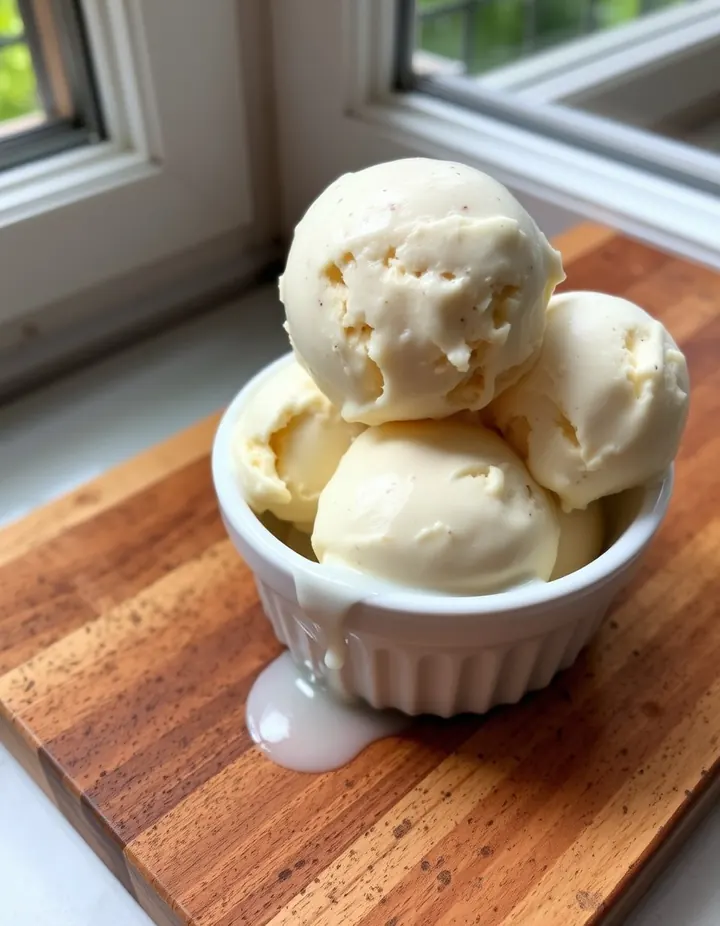 Vanilla Ice Cream108 recipes
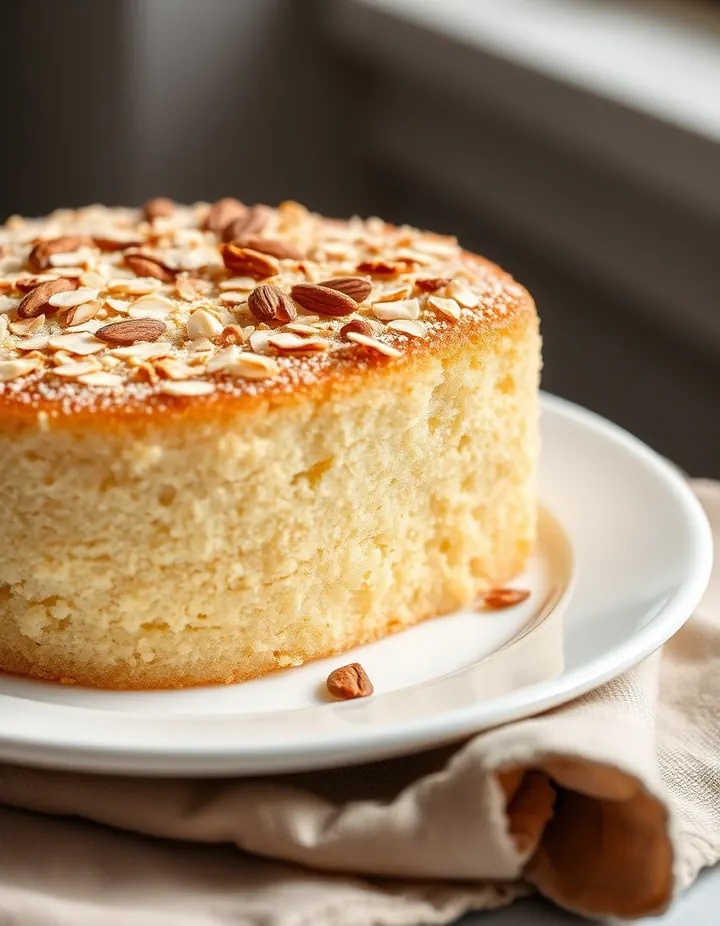 Almond Sponge Cake26 recipes
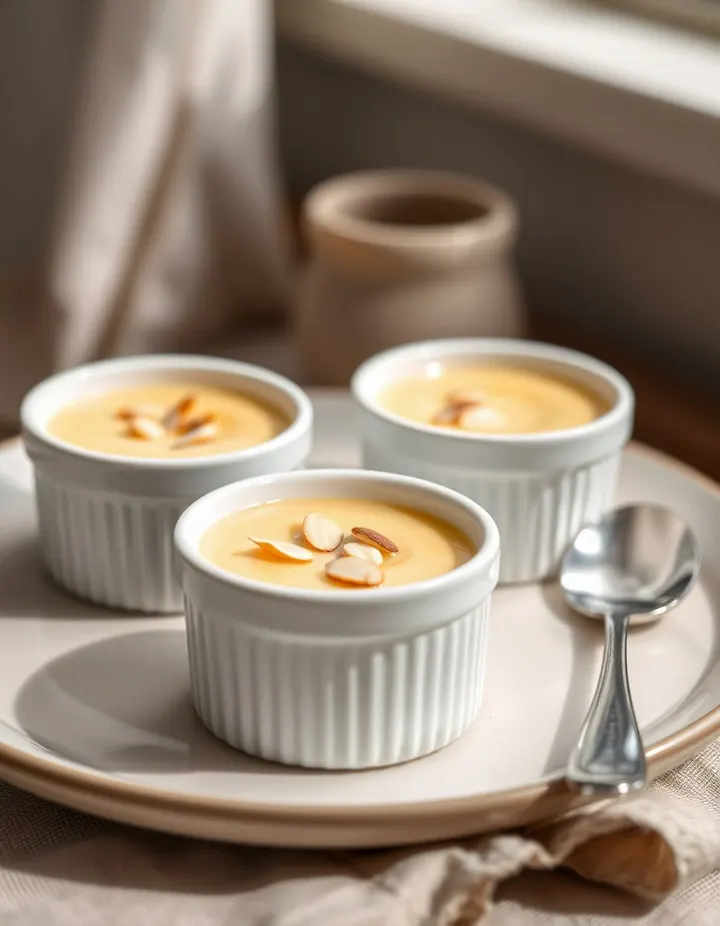 Almond Custard22 recipes
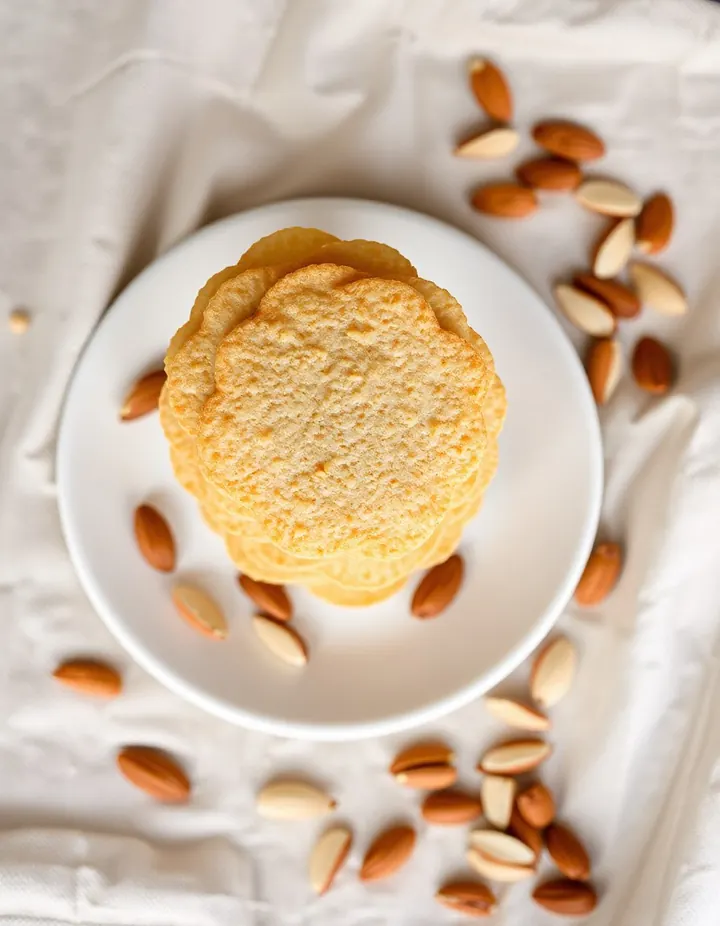 Almond Wafers22 recipes
The free Flavor Lab newsletter: one surprising pairing a week and the molecular reason it works, in 60 seconds. No spam, unsubscribe anytime.
Prefer an account? Create a free account to save pairings and unlock the full chemistry.