Why it works: Tomato and sauce are a kitchen classic. They rank in the top 15% of all ingredient pairs, and 5,469 recipes mention both. Both carry ethanol, which smells alcoholic, ethereal. The science ↓
Sparghbtti with Tomato Sauce
Ingredients
Directions
The book says “a hot oven”. The 400°F (200°C) in the steps is the modern equivalent, not the book's own figure.
Cook the pasta
Bring a pot of salted water to a boil.
Add the spaghetti and cook until soft.
Strain and cool the spaghetti in water, being careful not to break them.
In a stewpan, combine the spaghetti with stock or water and cook for about 20 minutes.
Strain and drain the spaghetti again.
Finish and serve
Moisten the spaghetti with a rich and well-seasoned tomato sauce.
Place the pan in a hot oven at 400°F (200°C) for a few minutes.
Dish up and serve.
Transcribed from a scanned cookbook and modernised for today's kitchens. Where the book gave no heat or time, or said "a moderate oven", the temperatures and times here may be modern equivalents rather than the book's own figures.
Explore the science
The flavor team
The pairs that carry this dish. Each one is judged two ways: how much aroma chemistry they share, and how many recipes mention both.
-
Tomato + saucetop 15% of all pairsAroma overlaplowMentioned together5,469 recipes
Shared aroma: ethanol (alcoholic, ethereal).
Ranks compare each pair with 20,000 random ingredient pairs on CompKitchen. How we score pairs
What each ingredient does
- Sparghetti (small macaroni)
- Forms the bulk of the dish, giving it its chewy, starchy body.
- Rich tomato sauce
- Adds moisture, acidity and savoury flavour that coats the pasta.
The step that matters
Cooking the spaghetti until soft in the first boil. Pasta cooked too briefly stays firm and chalky at the core, while overcooking makes it mushy. Because the pasta is cooked again later in stock, starting it at the right softness keeps the final texture even.
“What each ingredient does” and “The step that matters” were written by Claude from this recipe’s own method and reviewed in samples by CompKitchen.
You might also like
 Tomato Soup526 recipes
 Cream of Tomato Soup107 recipes
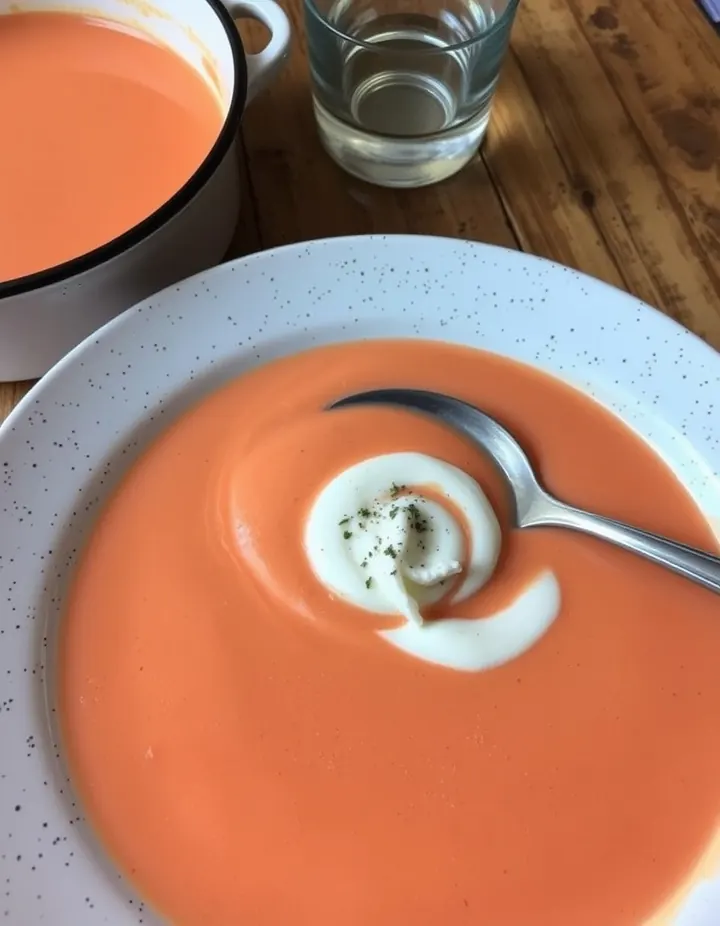 Tomato Bisque61 recipes
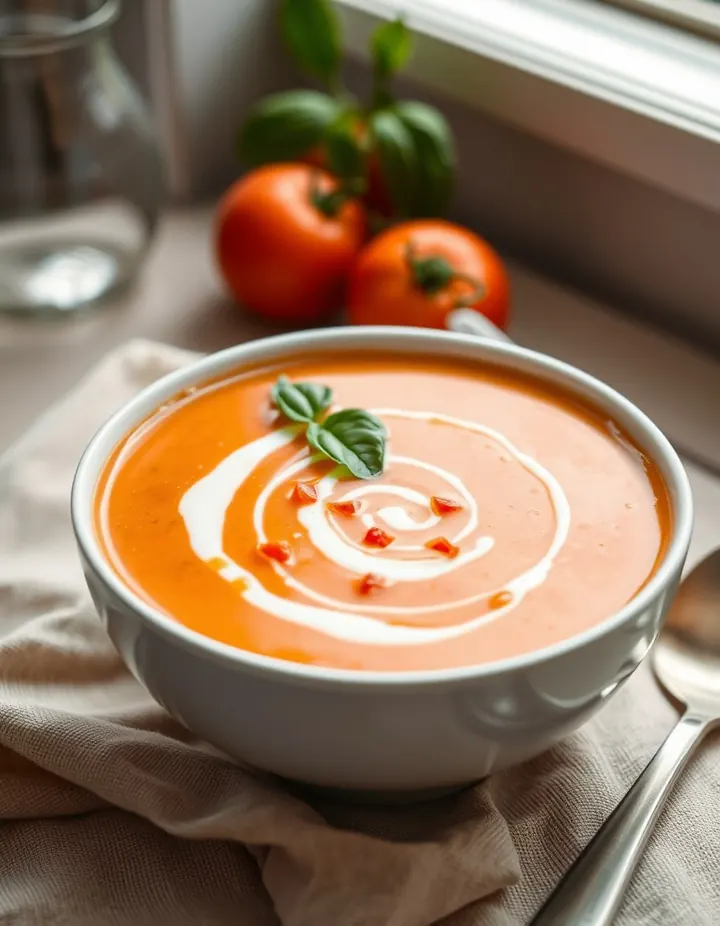 Cream Tomato Soup28 recipes
The Sunday pairing: one pairing, the chemistry behind it, and how to cook it. No spam, unsubscribe anytime.
Prefer an account? Create a free account for sign-in; Pro adds the full results and chemistry.