Why it works: Pepper and clove match in chemistry and in kitchens. They rank in the top 5% of all ingredient pairs, and cooks put them together in 17,451 recipes. Both carry ethyl octanoate, which smells fruity, wine. The science ↓
Fowl, Galantine of
Ingredients
Directions
Bone and fill
Open the fowl down the back and bone it, cutting out the flesh in long narrow strips without injuring the skin.
Leave enough meat to prevent the skin from bursting.
Spread the fowl with the breast downwards and fill the space with forcemeat.
Layer the strips of fowl and boiled tongue with truffles in between, if available.
Continue filling with alternate layers of forcemeat and strips of fowl.
Shape the bird nicely and enclose it in a delicate white cloth.
Stew
In a stewpan, add enough stock to cover the fowl along with the knuckle of veal and calf's foot.
Stew gently for 45 minutes.
Add salt, pepper, a clove, and sweet herbs, and continue stewing for another hour with the lid closed.
Set and finish
After removing the fowl, boil the stock until it becomes jelly.
Clarify the jelly.
If the fowl is cold, remove it from the cloth.
When cold, use it to ornament the galantine.
Glaze it.
Cover with a mixture of bread crumbs and grated roasted chestnuts.
Garnish with jelly and halved hard-boiled eggs.
Transcribed from a scanned cookbook and modernised for today's kitchens. Where the book gave no heat or time, or said "a moderate oven", the temperatures and times here may be modern equivalents rather than the book's own figures.
Explore the science
The flavor team
The pairs that carry this dish. Each one is judged two ways: how much their aromas overlap, and how often cooks already put them together.
-
Pepper + clovetop 5% of all pairsSmell alikestrongCooked together17,451 recipes
Shared aroma: ethyl octanoate (fruity, wine).
-
Clove + chestnuttop 6% of all pairsSmell alikestrongCooked together143 recipes
Shared aroma: ethyl octanoate (fruity, wine).
-
Truffle + vealtop 11% of all pairsSmell alikelowCooked together815 recipes
Shared aroma: 2,4-nonadienal (fatty, green).
-
Pepper + chestnuttop 13% of all pairsSmell alikemoderateCooked together826 recipes
Shared aroma: ethyl octanoate (fruity, wine).
-
Bread + chestnuttop 13% of all pairsSmell alikemoderateCooked together191 recipes
Shared aroma: ethyl octanoate (fruity, wine).
Ranks compare each pair with 20,000 random ingredient pairs on CompKitchen. How we score pairs
What each ingredient does
- Fowl
- Forms the main body of the galantine, providing the meat that is layered and rolled.
- Forcemeat
- Fills the boned cavity, giving a moist, tender texture between the strips of meat.
- Knuckle of veal
- Enriches the stock with gelatin and body, helping the jelly set when cooled.
- Calf's foot
- Adds natural gelatin to the stock, helping it turn to a firm jelly.
- Bread crumbs
- Forms the coating mixture that adds texture to the outside of the galantine.
The step that matters
Remove the skin intact while boning. The skin holds the galantine together and encloses the filling. Cutting too deep or leaving too little meat can tear it, letting the forcemeat escape during stewing.
Swap the clove
How well each one fits the dish's main ingredients (truffle, pepper, veal, bread, chestnut, egg):
- Parsleyfits better
- Nutmegfits better
- Sagefits better
- Clovethe original
Fit is the average pairing score against truffle, pepper, veal, bread, chestnut, egg. Candidates are from the same food group and used in at least 100 recipes.
“What each ingredient does” and “The step that matters” were written by Claude from this recipe’s own method and reviewed in samples by CompKitchen.
You might also like
 Brown Bread461 recipes
 White Bread80 recipes
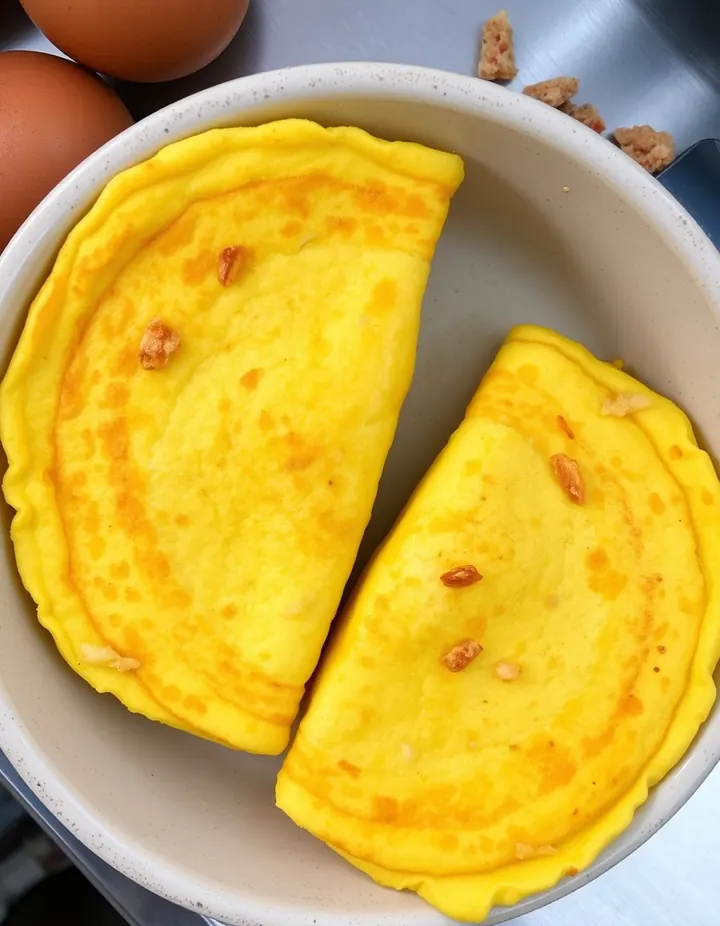 Bread Omelette60 recipes
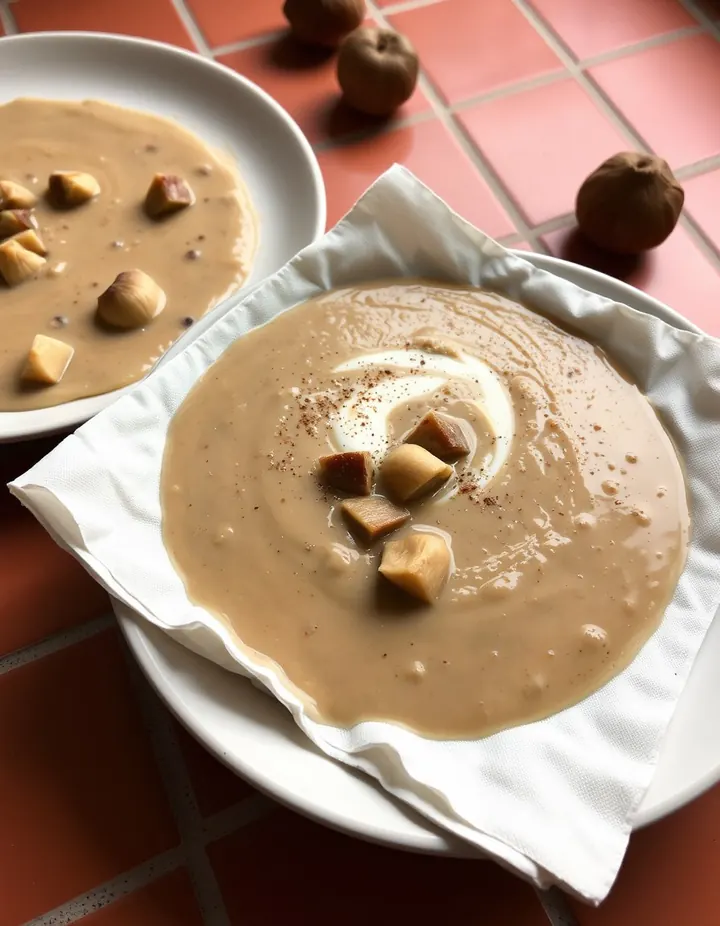 Chestnut Soup52 recipes
The free Flavor Lab newsletter: one surprising pairing a week and the molecular reason it works, in 60 seconds. No spam, unsubscribe anytime.
Prefer an account? Create a free account to save pairings and unlock the full chemistry.