Why it works: Bread and butter are a kitchen classic. They rank in the top 7% of all ingredient pairs, and cooks put them together in 27,232 recipes. Both carry delta-decalactone, which smells sweet, creamy. The science ↓
Herrings, Red, Mock Anchovy Toast of
Ingredients
Directions
Prepare the herring
Cut the head and tail from the red herring and soak it in boiling water for 5 to 10 minutes.
Drain the herring, peel off the skin, open the fish, and remove as many bones as possible.
Slice half of the fish into ¼‑inch thick slices.
Cut the other half of the fish into small squares.
Assemble the toast
Divide the buttered toast into quarters.
Place a square of herring on each quarter of toast, topping each with a slice.
For sandwiches, place the herring pieces between slices of buttered bread instead of on toast.
Transcribed from a scanned cookbook and modernised for today's kitchens. Where the book gave no heat or time, or said "a moderate oven", the temperatures and times here may be modern equivalents rather than the book's own figures.
Explore the science
The flavor team
The pairs that carry this dish. Each one is judged two ways: how much their aromas overlap, and how often cooks already put them together.
-
Bread + buttertop 7% of all pairsSmell alikemoderateCooked together27,232 recipes
Shared aroma: delta-decalactone (sweet, creamy).
Ranks compare each pair with 20,000 random ingredient pairs on CompKitchen. How we score pairs
What each ingredient does
- Red herring
- Provides the main savoury flavour and the flaky texture of the topping.
- Bread
- Forms the base that holds the fish and gives a crisp, absorbent surface.
- Butter
- Adds richness and moisture, and helps the bread taste savoury and toasted.
The step that matters
Remove as many bones as possible. Herring has many fine pin bones that are hard to see and feel. Leaving them in risks a bone being swallowed, so each fillet should be checked carefully before slicing.
“What each ingredient does” and “The step that matters” were written by Claude from this recipe’s own method and reviewed in samples by CompKitchen.
You might also like
 Brown Bread461 recipes
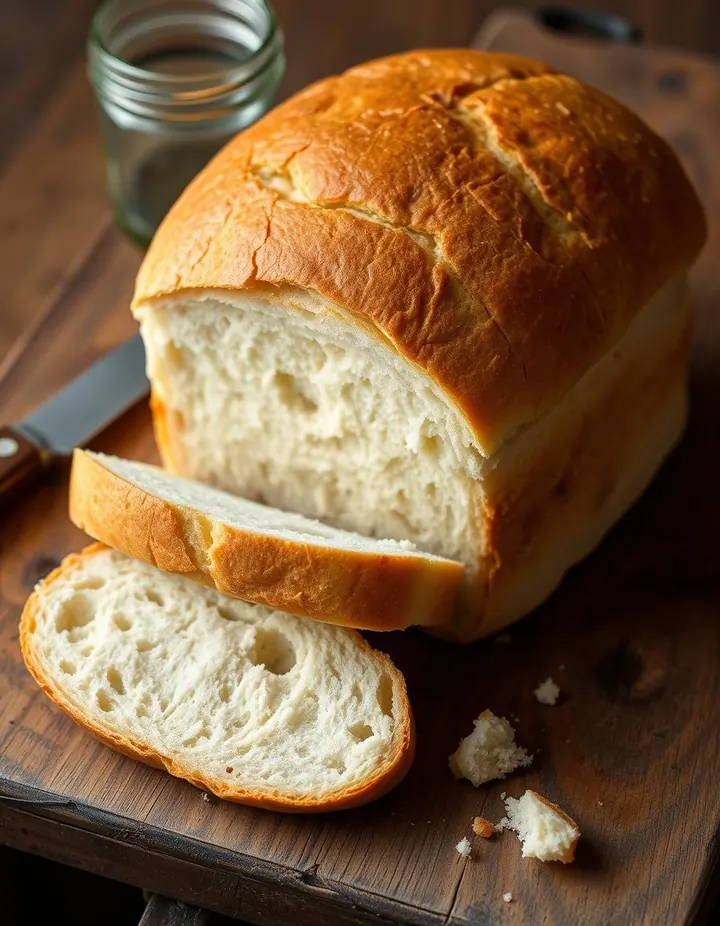 White Bread80 recipes
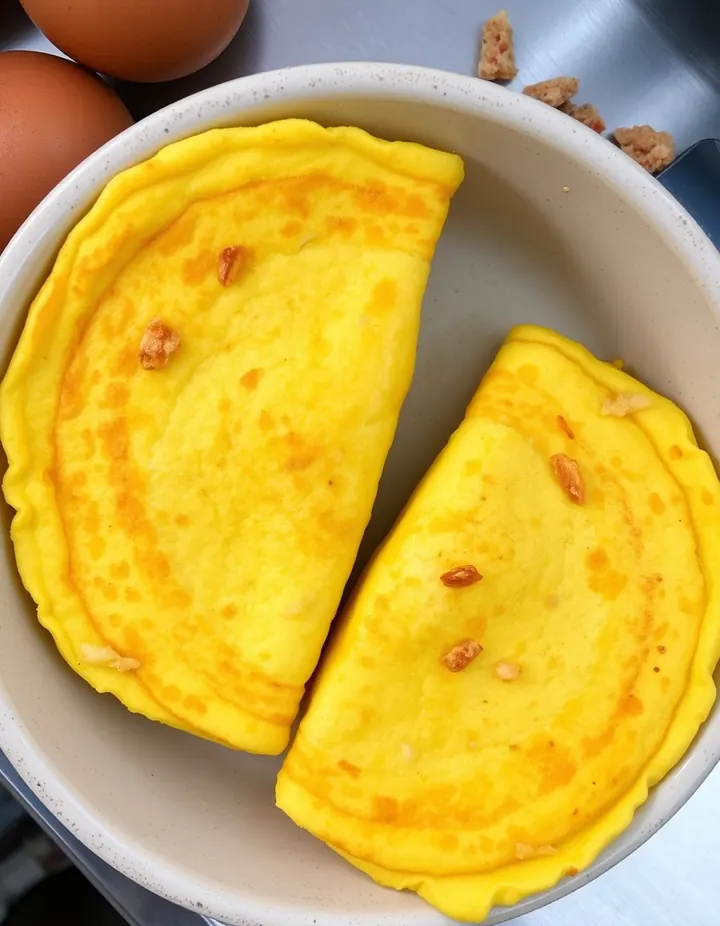 Bread Omelette60 recipes
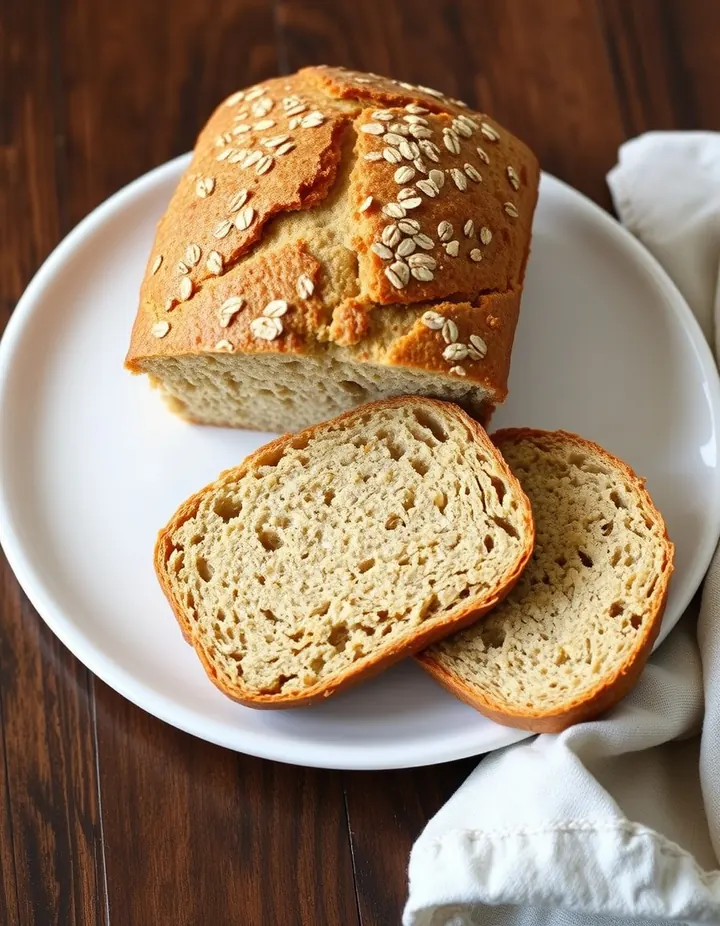 Oatmeal Bread51 recipes
The free Flavor Lab newsletter: one surprising pairing a week and the molecular reason it works, in 60 seconds. No spam, unsubscribe anytime.
Prefer an account? Create a free account to save pairings and unlock the full chemistry.