Why it works: Pineapple and sugar are a kitchen classic. They rank in the top 19% of all ingredient pairs, and cooks put them together in 4,841 recipes. Both carry 2-nonenal, which smells fatty, green. The science ↓
Pineapple, Bottled, Without Boiling
Ingredients
Directions
Prepare the fruit
Choose ripe, sound pineapples. Peel and slice them into ¼ inch thick slices.
Weigh the sliced pineapples and use 1 pound of powdered sugar for each pound of fruit.
Layer and seal
In a small glass jar, place a layer of sugar ½ inch deep at the bottom.
Add a layer of sliced fruit of equal depth, pressing it down.
Repeat layering until the jar is full, ensuring the first and last layers are sugar.
Seal the jar tightly to keep it air‑tight.
Transcribed from a scanned cookbook and modernised for today's kitchens. Where the book gave no heat or time, or said "a moderate oven", the temperatures and times here may be modern equivalents rather than the book's own figures.
Explore the science
The flavor team
The pairs that carry this dish. Each one is judged two ways: how much their aromas overlap, and how often cooks already put them together.
-
Pineapple + sugartop 19% of all pairsSmell alikelowCooked together4,841 recipes
Shared aroma: 2-nonenal (fatty, green).
Ranks compare each pair with 20,000 random ingredient pairs on CompKitchen. How we score pairs
What each ingredient does
- Ripe pineapples
- Provides the fruit, flavour and sugar-binding flesh that the preserve is built around.
- Powdered sugar
- Draws moisture out of the fruit and forms a syrup while preserving it through high sugar content.
The step that matters
Keeping the sugar layers even and the jar sealed. Sugar is what preserves the fruit without boiling, so each fruit layer needs a full covering of sugar and the jar must be airtight to keep spoilage organisms out.
“What each ingredient does” and “The step that matters” were written by Claude from this recipe’s own method and reviewed in samples by CompKitchen.
You might also like
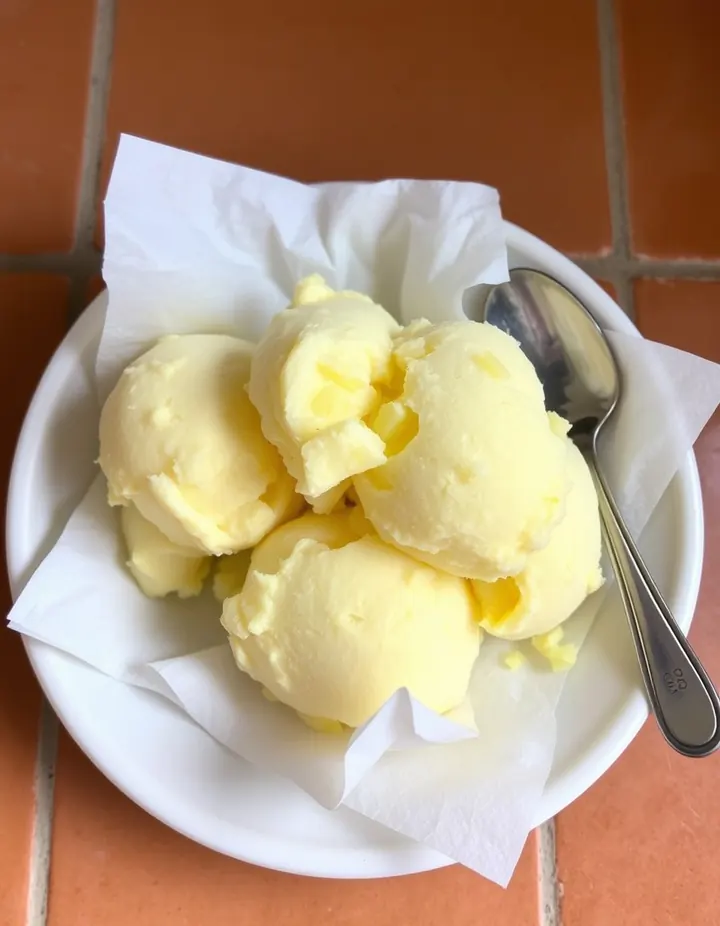 Pineapple Sherbet116 recipes
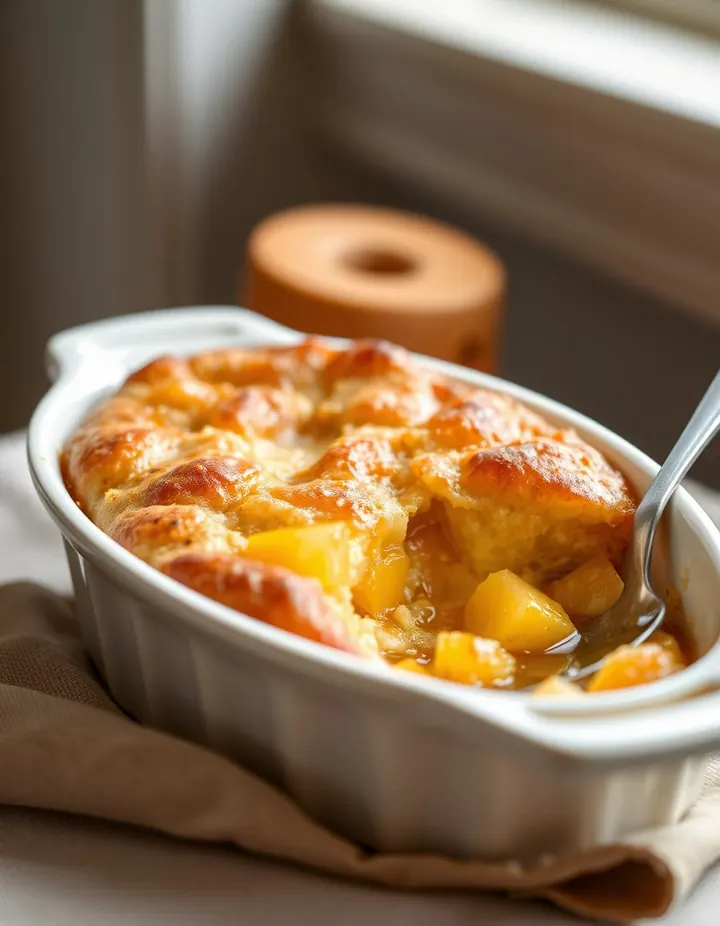 Pineapple Pudding72 recipes
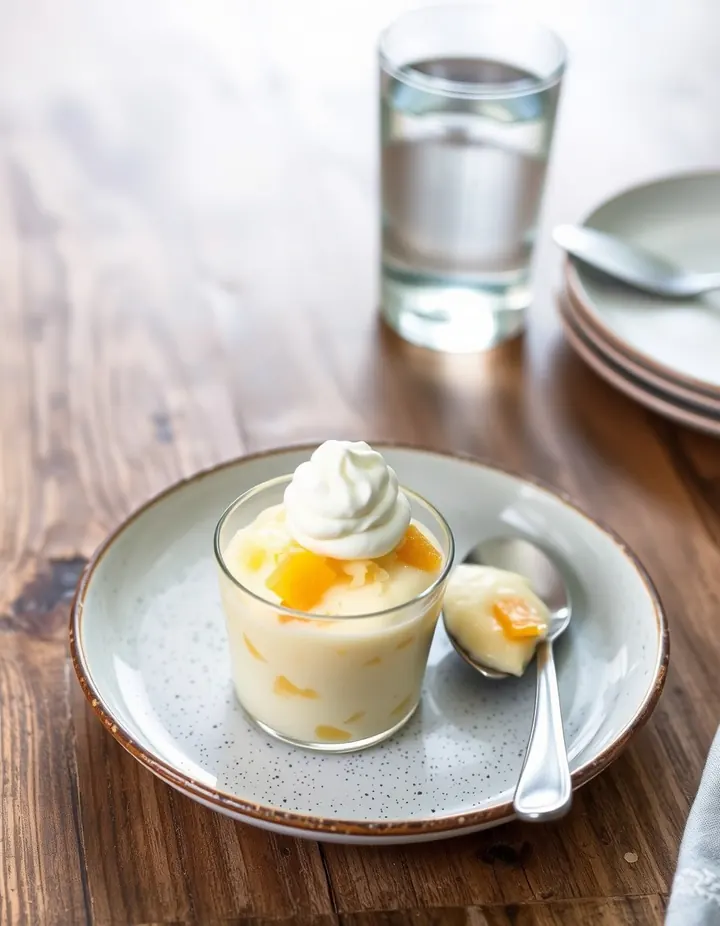 Pineapple Cream58 recipes
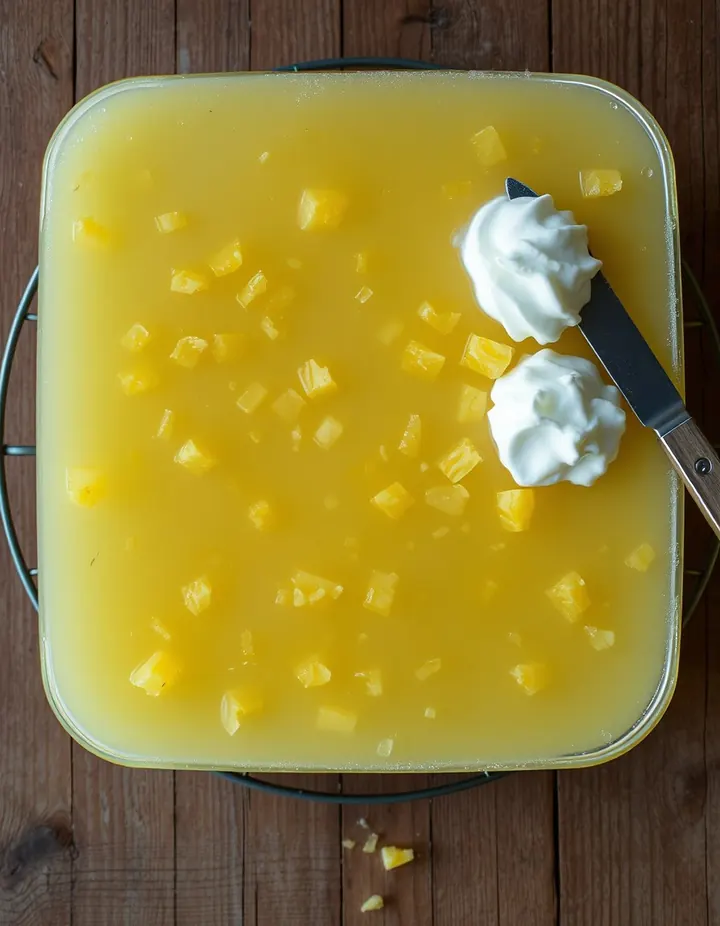 Pineapple Jelly39 recipes
The free Flavor Lab newsletter: one surprising pairing a week and the molecular reason it works, in 60 seconds. No spam, unsubscribe anytime.
Prefer an account? Create a free account to save pairings and unlock the full chemistry.