Why it works: Butter and bread are a kitchen classic. They rank in the top 7% of all ingredient pairs, and cooks put them together in 27,232 recipes. Both carry delta-decalactone, which smells sweet, creamy. The science ↓
Snipes, Raised Pie, Hot
Ingredients
Directions
The book gives no oven temperature. The 350°F (175°C) in the steps was added when the recipe was transcribed, as a starting point.
Prepare the snipes
Pluck the snipes.
Singe the snipes.
Cut the snipes in half lengthwise.
Remove the gizzards from the snipes.
Set aside the trails.
Season the snipes with salt and cayenne.
Fry the snipes in a saucepan with clarified butter for about 10 minutes until set.
Drain the snipes.
Cool the snipes.
Make the forcemeat
Dice the calf's liver and fat bacon.
Melt the bacon in a sauté pan over high heat.
Add the diced liver to the pan and season with salt, pepper, and aromatic herbs. Cook until done.
Cool the mixture.
Pound the liver and bacon mixture until smooth, adding the trails of the birds while pounding.
Press the mixture through a sieve.
Assemble and bake
Butter a pie-mould.
Line the pie-mould with pie crust.
Add a layer of forcemeat to the bottom, leaving a hollow center.
Arrange half the snipes in a circle on the forcemeat.
Place a small ball of forcemeat between the snipes.
Spread a layer of forcemeat over the snipes.
Add the remaining snipes.
Top with another layer of forcemeat.
Fill the hollow center with bread covered in fat bacon.
Cover with pastry.
Pinch the edges of the pastry.
Brush the pastry with egg.
Bake in a moderate oven at 350°F (175°C) until done.
Finish and serve
Remove the cover.
Take out the bread.
Fill the hollow center with scalloped truffles.
Pour a little brown sauce over the top.
Pile truffles on.
Serve.
Transcribed from a scanned cookbook and modernised for today's kitchens. Where the book gave no heat or time, or said "a moderate oven", the temperatures and times here may be modern equivalents rather than the book's own figures.
Explore the science
The flavor team
The pairs that carry this dish. Each one is judged two ways: how much their aromas overlap, and how often cooks already put them together.
-
Butter + breadtop 7% of all pairsSmell alikemoderateCooked together27,232 recipes
Shared aroma: delta-decalactone (sweet, creamy).
-
Butter + truffletop 11% of all pairsSmell alikemoderateCooked together2,209 recipes
Shared aroma: nonanal (fat, citrus).
-
Bread + eggtop 13% of all pairsSmell alikemoderateCooked together22,662 recipes
Shared aroma: (e)-2-octenal (fatty, green).
-
Liver + truffletop 14% of all pairsSmell alikelowCooked together395 recipes
Shared aroma: 1-nonanal (fatty, waxy).
-
Butter + saucetop 15% of all pairsSmell alikelowCooked together15,338 recipes
Shared aroma: ethanol (alcoholic, ethereal).
Butter and sauce barely smell alike, yet cooks put them together in 15,338 recipes: they work on texture and structure more than aroma.
Ranks compare each pair with 20,000 random ingredient pairs on CompKitchen. How we score pairs
What each ingredient does
- Snipes
- Form the main meat filling, cooked gently in butter so they set before baking.
- Calf's liver
- Provides a smooth, rich body to the forcemeat once pounded and sieved.
- Fat bacon
- Adds fat that keeps the forcemeat moist and carries savory flavor.
- Eggs
- Egg brushed on the pastry promotes browning and a glossy finish.
The step that matters
Pounding and sieving the forcemeat. Pounding and pressing the liver and bacon through a sieve breaks down fibers so the forcemeat becomes smooth and spreadable rather than grainy. Cooling the mixture first keeps the fat firm enough to pound well.
“What each ingredient does” and “The step that matters” were written by Claude from this recipe’s own method and reviewed in samples by CompKitchen.
You might also like
 Brown Bread461 recipes
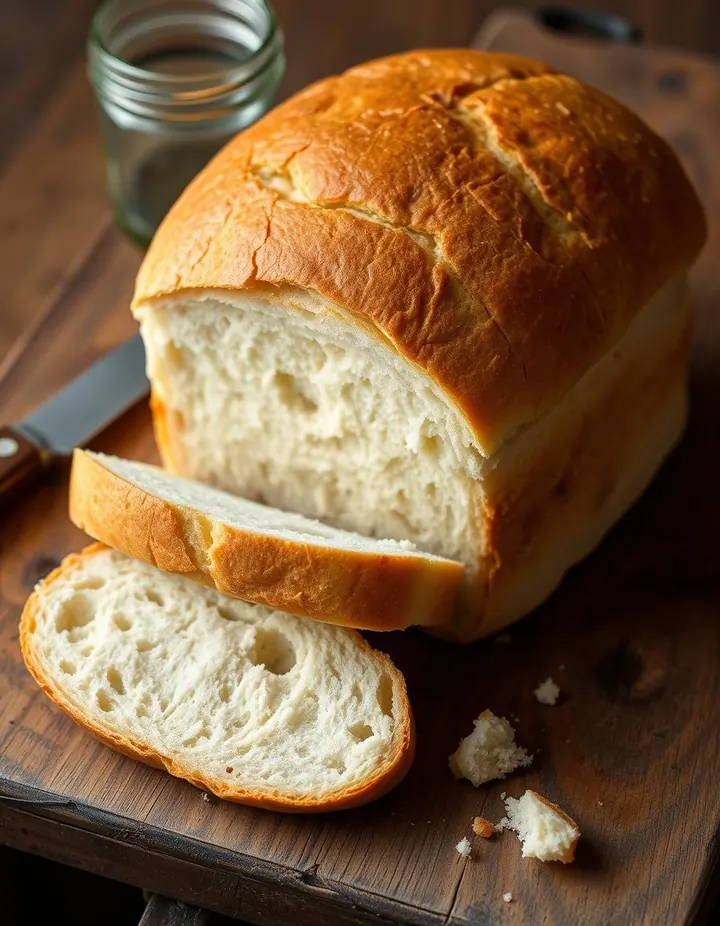 White Bread80 recipes
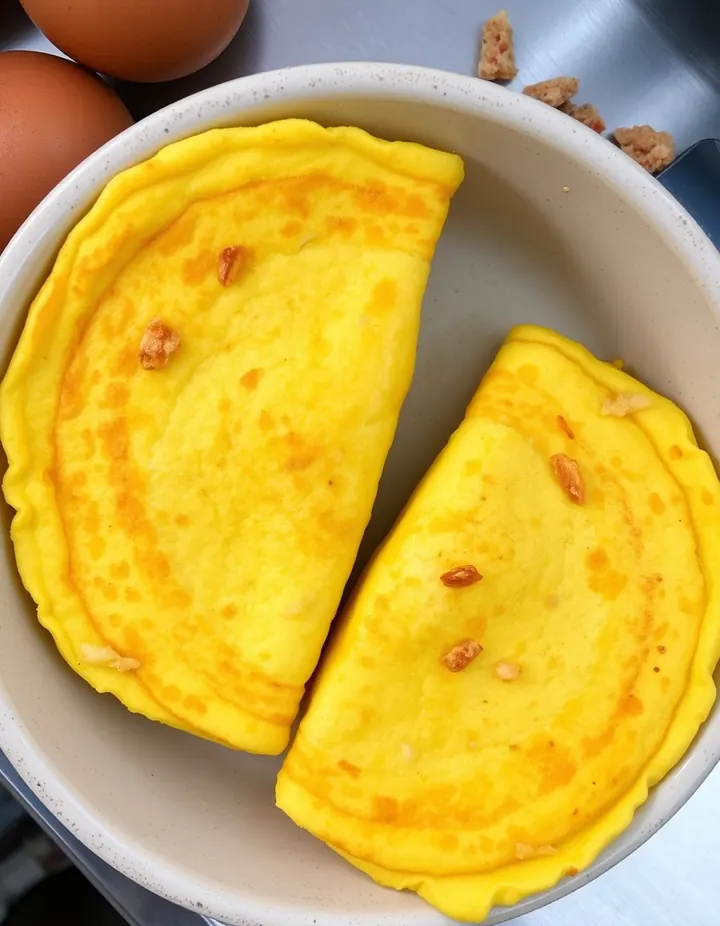 Bread Omelette60 recipes
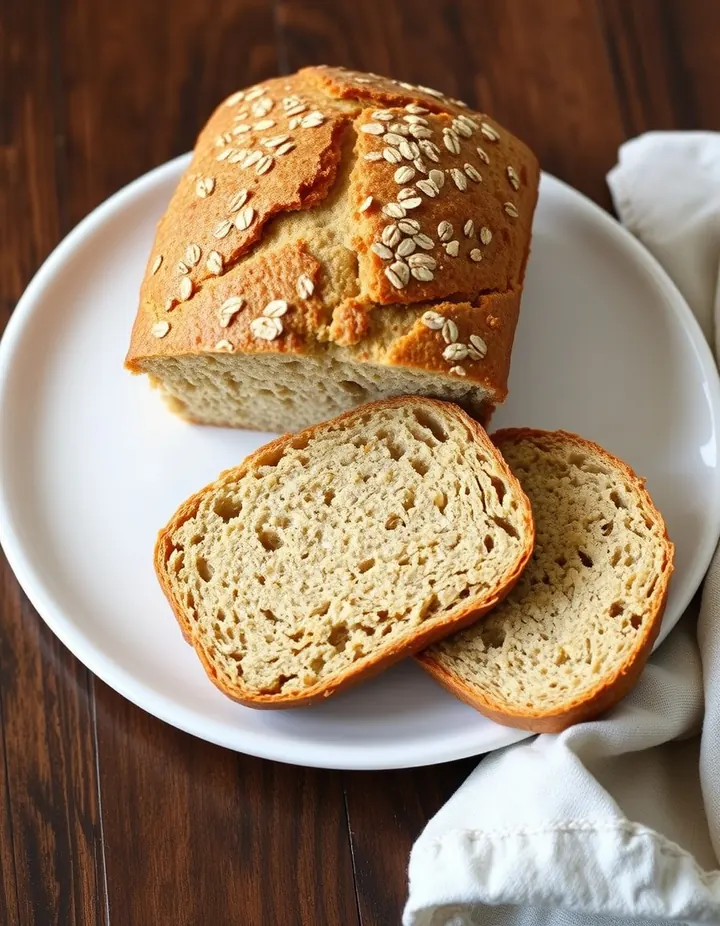 Oatmeal Bread51 recipes
The free Flavor Lab newsletter: one surprising pairing a week and the molecular reason it works, in 60 seconds. No spam, unsubscribe anytime.
Prefer an account? Create a free account to save pairings and unlock the full chemistry.