Unfermented 'bread
Ingredients
Directions
The book says “a brisk oven”. The 400°F (200°C) in the steps is the modern equivalent, not the book's own figure.
Prepare
Mix the bicarbonate of soda with the flour in a large bowl.
In a separate container, stir the hydrochloric acid into the warm water.
Mix and bake
Pour the acid mixture into the flour mixture and stir briskly with a wooden spoon until well blended.
Divide the dough into loaves and bake immediately in a brisk oven at 400°F (200°C) for the usual baking time for bread.
Transcribed from a scanned cookbook and modernised for today's kitchens. Where the book gave no heat or time, or said "a moderate oven", the temperatures and times here may be modern equivalents rather than the book's own figures.
Explore the science
What each ingredient does
- All-purpose flour
- Provides the starch and gluten network that holds the dough's structure as it sets.
- Bicarbonate of soda
- Supplies the base that reacts with the acid to release carbon dioxide, which raises the loaves.
- Hydrochloric acid
- Reacts with the bicarbonate of soda to produce the carbon dioxide gas that makes the bread rise.
The step that matters
Bake immediately after mixing. The acid and bicarbonate begin releasing carbon dioxide as soon as they meet in the wet dough. Delaying the shaping and baking lets that gas escape, so the loaves rise less.
“What each ingredient does” and “The step that matters” were written by Claude from this recipe’s own method and reviewed in samples by CompKitchen.
You might also like
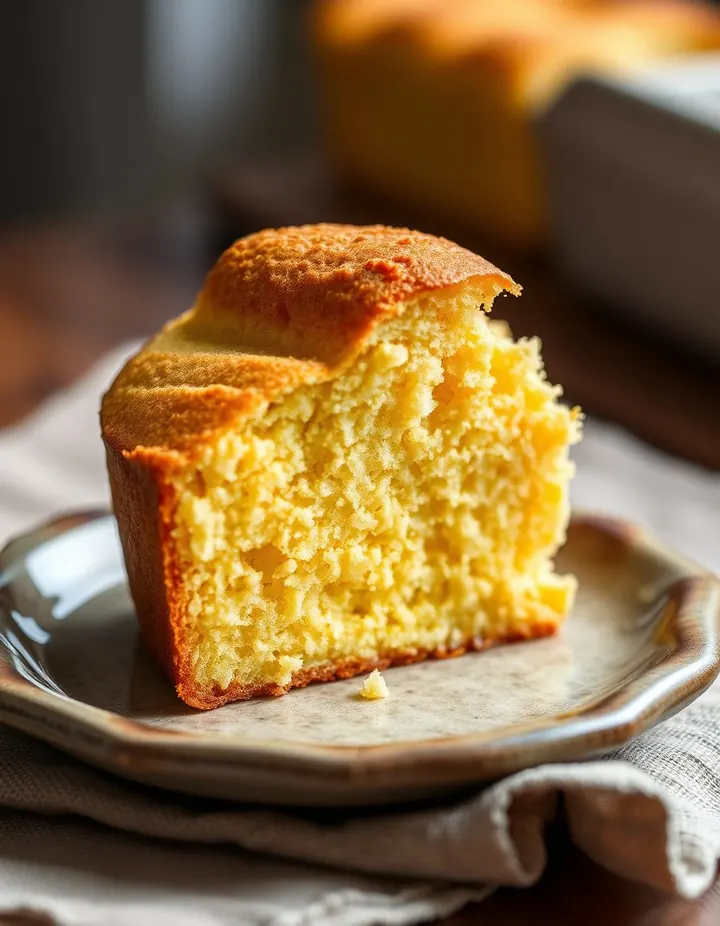 Cornbread345 recipes
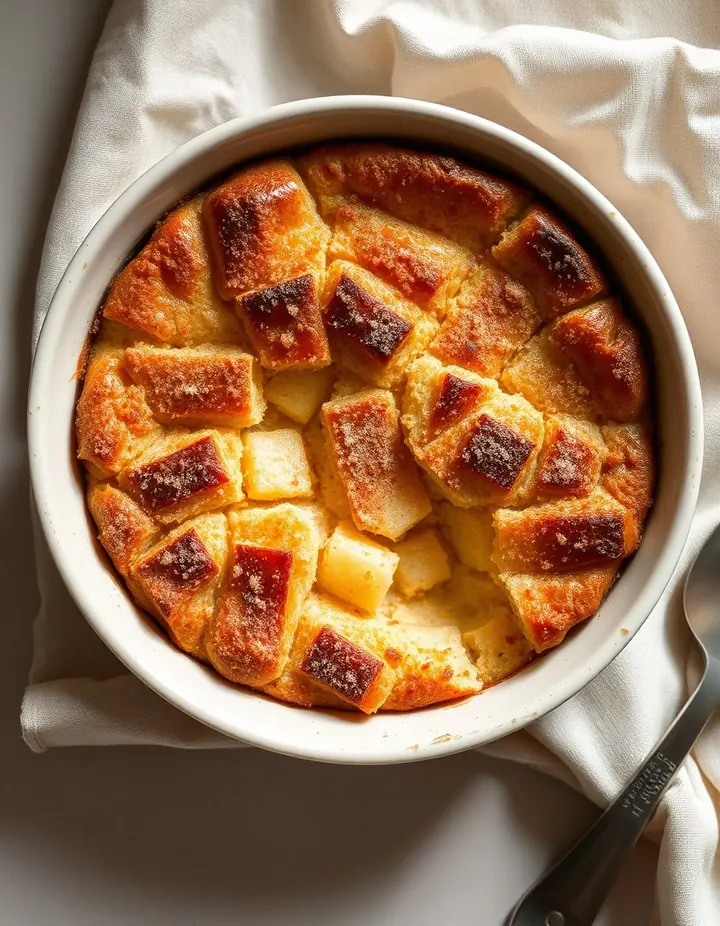 Bread Pudding336 recipes
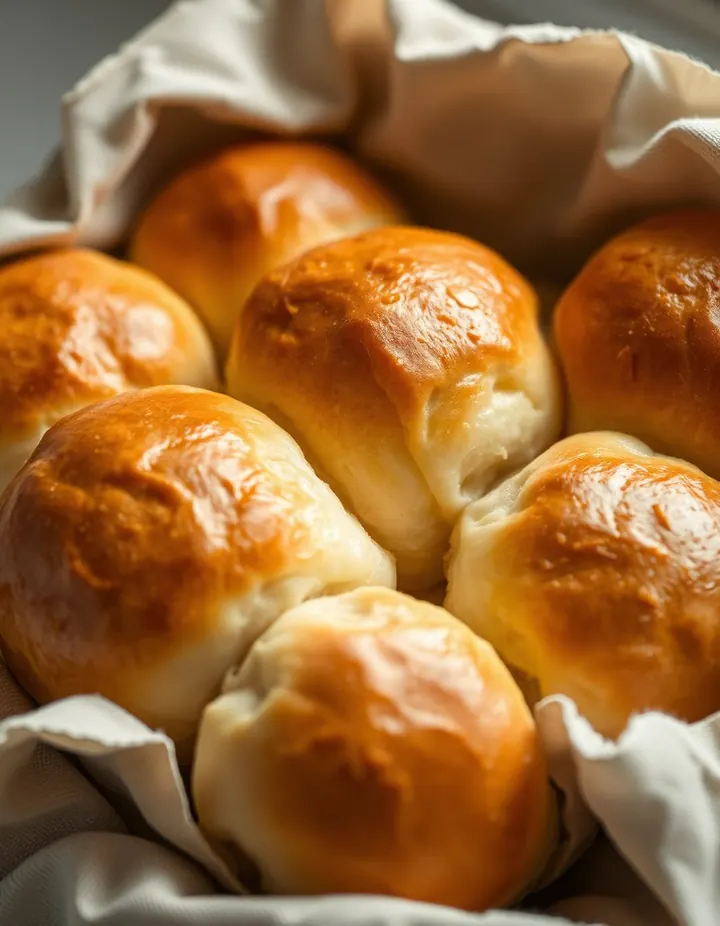 Milk Bread Rolls242 recipes
 Potato Bread124 recipes
The free Flavor Lab newsletter: one surprising pairing a week and the molecular reason it works, in 60 seconds. No spam, unsubscribe anytime.
Prefer an account? Create a free account to save pairings and unlock the full chemistry.