Why it works: Lemon and orange match in chemistry and in kitchens. They rank in the top 1% of all ingredient pairs, and cooks put them together in 10,634 recipes. Both carry 3-hexenal, which smells apple, fruity. The science ↓
Wine, Beetroot, Red
Ingredients
Directions
Prepare the sloes and beetroots
Bruise the sloes in a stone mortar.
Boil the bruised sloes in soft water for 20 minutes.
Strain the liquor into a stone jar.
Scrub and wash the beetroots without breaking the skins.
Boil the beetroots until tender.
Once the beetroots are cooled, peel them.
Slice the peeled beetroots into a tub.
Pour the sloe liquor over the sliced beetroots.
Cover the beetroots with the liquor.
The next day, add the lemon and orange rinds and the halved raisins.
Make the sugar syrup and ferment
Boil the sugar with soft water for 45 minutes, skimming well.
Pour the hot sugar syrup into the tub.
Stir the mixture well.
When lukewarm, add the yeast.
Cover the tub.
Let the mixture sit for 3 days.
Strain the liquor into a cask, filling to the bung.
Allow fermentation to complete.
Add sugar-candy and brandy.
Seal the cask for a month.
Clarify and age
Rack the wine off and filter the lees.
Add dissolved isinglass and the bitter almonds.
Secure the bung.
Let it stand for 18 months.
Bottle the wine.
Seal the corks.
Age the wine for an additional year.
Transcribed from a scanned cookbook and modernised for today's kitchens. Where the book gave no heat or time, or said "a moderate oven", the temperatures and times here may be modern equivalents rather than the book's own figures.
Explore the science
The flavor team
The pairs that carry this dish. Each one is judged two ways: how much their aromas overlap, and how often cooks already put them together.
-
Lemon + orangetop 1% of all pairsSmell alikestrongCooked together10,634 recipes
Shared aroma: 3-hexenal (apple, fruity).
-
Beetroot + almondtop 2% of all pairsSmell alikestrongCooked together83 recipes
Shared aroma: coumarin (sweet, hay).
-
Raisin + almondtop 2% of all pairsSmell alikemoderateCooked together1,781 recipes
Shared aroma: 2-nonanone (fruity, floral).
-
Orange + almondtop 6% of all pairsSmell alikemoderateCooked together3,125 recipes
Shared aroma: 2,4-decadienal (seaweed).
-
Beetroot + orangetop 8% of all pairsSmell alikemoderateCooked together170 recipes
Shared aroma: ethyl butyrate (apple, fruity).
Ranks compare each pair with 20,000 random ingredient pairs on CompKitchen. How we score pairs
What each ingredient does
- Purple beetroots
- Provide the main colour, earthy flavour and body of the wine.
- Smyrna raisins
- Add sweetness and fermentable sugar that feeds the yeast.
- Strong moist sugar
- Supplies the fermentable sugar that yeast turns into alcohol.
- Strong yeast
- Converts the sugars into alcohol and carbon dioxide during fermentation.
- Ripe sloes
- Contribute tartness, tannin and fruity flavour to balance the sweetness.
- Isinglass
- Fines the wine, helping suspended particles settle out so it clears.
The step that matters
Strain the liquor into the cask, filling to the bung. Filling the cask nearly full limits contact with air, so the fermenting wine is less likely to oxidise or sour while the yeast works.
Swap the lemon
How well each one fits the dish's main ingredients (beetroot, orange, raisin, sugar, brandy, almond):
- Figfits better
- Vanillafits better
- Apricotfits about as well
- Lemonthe original
Fit is the average pairing score against beetroot, orange, raisin, sugar, brandy, almond. Candidates are from the same food group and used in at least 100 recipes.
“What each ingredient does” and “The step that matters” were written by Claude from this recipe’s own method and reviewed in samples by CompKitchen.
You might also like
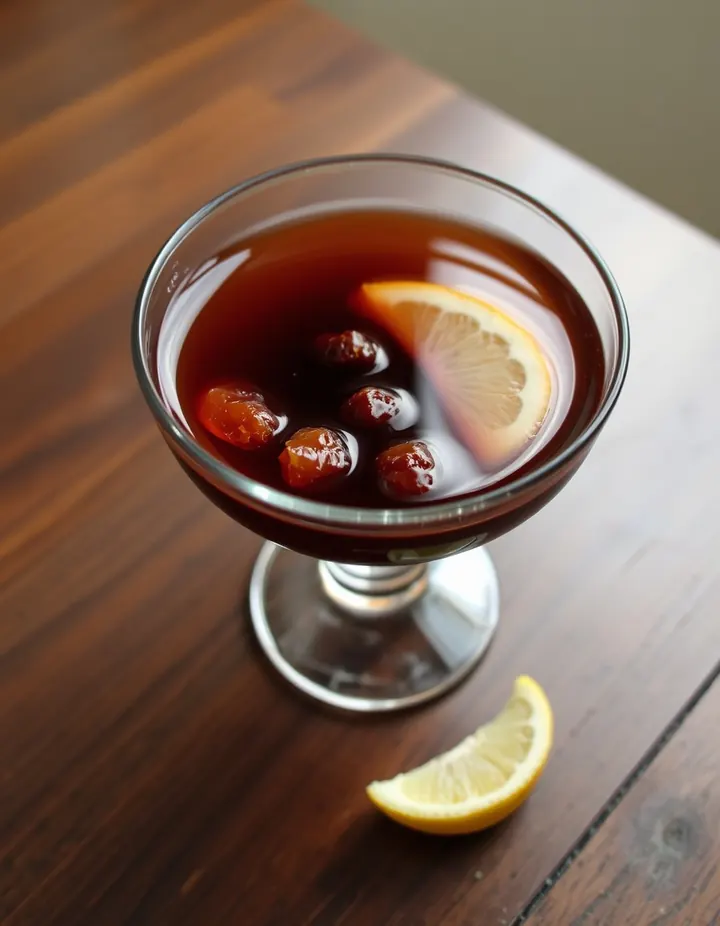 Raisin Wine64 recipes
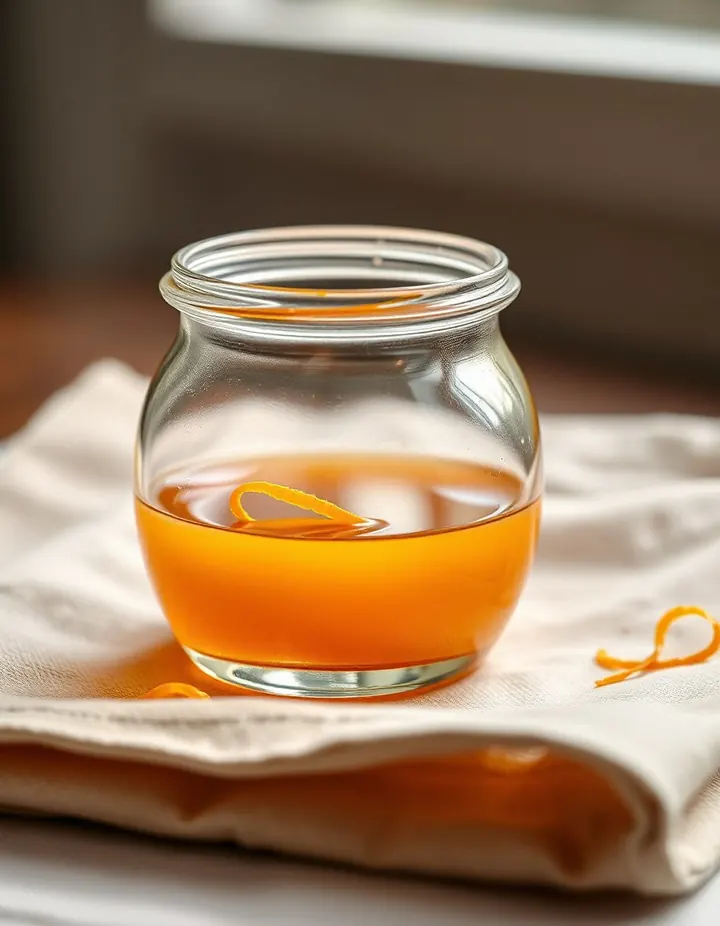 Orange Syrup47 recipes
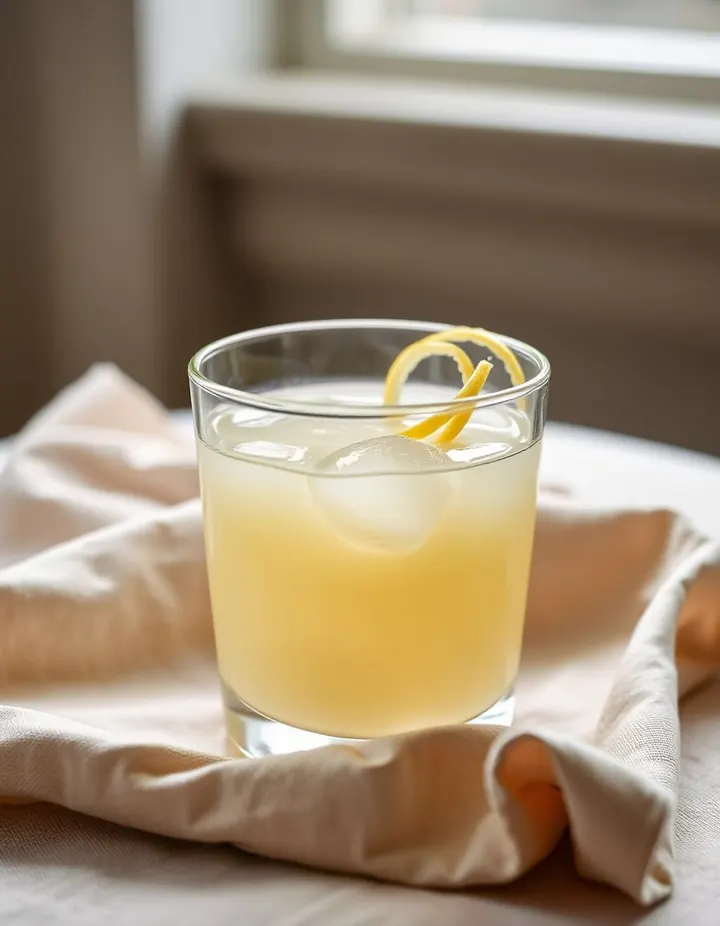 Lemon Whey33 recipes
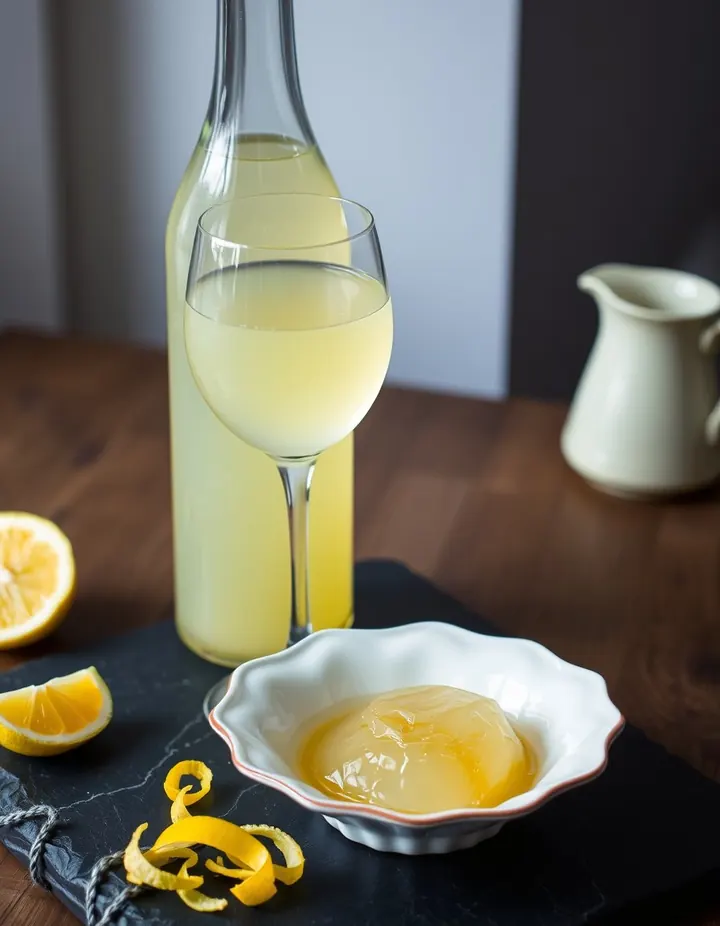 Lemon Wine31 recipes
The free Flavor Lab newsletter: one surprising pairing a week and the molecular reason it works, in 60 seconds. No spam, unsubscribe anytime.
Prefer an account? Create a free account to save pairings and unlock the full chemistry.