Why it works: Wine and orange are a kitchen classic. They rank in the top 14% of all ingredient pairs, and cooks put them together in 2,046 recipes. Both carry beta-damascenone, which smells apple, rose. The science ↓
Wine, Orange
Ingredients
Directions
Prepare the oranges
Pare the rind from 12 to 24 Seville oranges.
Pour 1 to 2 quarts of boiling water over the rind.
Let the mixture stand for 12 hours.
Strain off the water to extract essential oil.
Remove the peel from the remaining oranges.
Squeeze their juice into a cask.
Add 45 pounds of white sugar (or 55 pounds of mixed sugar) to the cask.
Soak the pulp in water for 24 hours.
Strain the pulp and add it to the cask.
Repeat until the cask is full.
Ferment and mature
Stir well until the sugar dissolves.
Set to ferment.
When fermentation subsides, close the bunghole.
Proceed as with gooseberry wine.
Optionally, add brandy.
Keep in the cask for a year before bottling.
Transcribed from a scanned cookbook and modernised for today's kitchens. Where the book gave no heat or time, or said "a moderate oven", the temperatures and times here may be modern equivalents rather than the book's own figures.
Explore the science
The flavor team
The pairs that carry this dish. Each one is judged two ways: how much their aromas overlap, and how often cooks already put them together.
-
Wine + orangetop 14% of all pairsSmell alikemoderateCooked together2,046 recipes
Shared aroma: beta-damascenone (apple, rose).
-
Orange + sugartop 20% of all pairsSmell alikelowCooked together19,212 recipes
Shared aroma: beta-damascenone (apple, rose).
-
Wine + sugartop 31% of all pairsSmell alikelowCooked together9,581 recipes
Shared aroma: beta-damascenone (apple, rose).
Orange and sugar barely smell alike, yet cooks put them together in 19,212 recipes: they work on texture and structure more than aroma.
Ranks compare each pair with 20,000 random ingredient pairs on CompKitchen. How we score pairs
What each ingredient does
- Seville oranges
- Provide the juice, pulp and aromatic essential oil from the rind that flavour the wine.
- White sugar
- Feeds the yeast during fermentation, producing alcohol and setting the wine's sweetness.
- Mixed sugar
- Can replace white sugar as the fermentable sugar, feeding the yeast in the same way.
- Wine
- Forms the base liquid of the wine, giving the bulk of the volume and alcohol.
The step that matters
Stir well until the sugar dissolves. Undissolved sugar sits on the bottom and ferments unevenly, so the yeast may stall or the batch may ferment unevenly.
Swap the orange
How well each one fits the dish's main ingredients (wine, sugar):
- Vanillafits better
- Applefits better
- Grapefits better
- Orangethe original
Fit is the average pairing score against wine, sugar. Candidates are from the same food group and used in at least 100 recipes.
“What each ingredient does” and “The step that matters” were written by Claude from this recipe’s own method and reviewed in samples by CompKitchen.
More orange wine recipes
You might also like
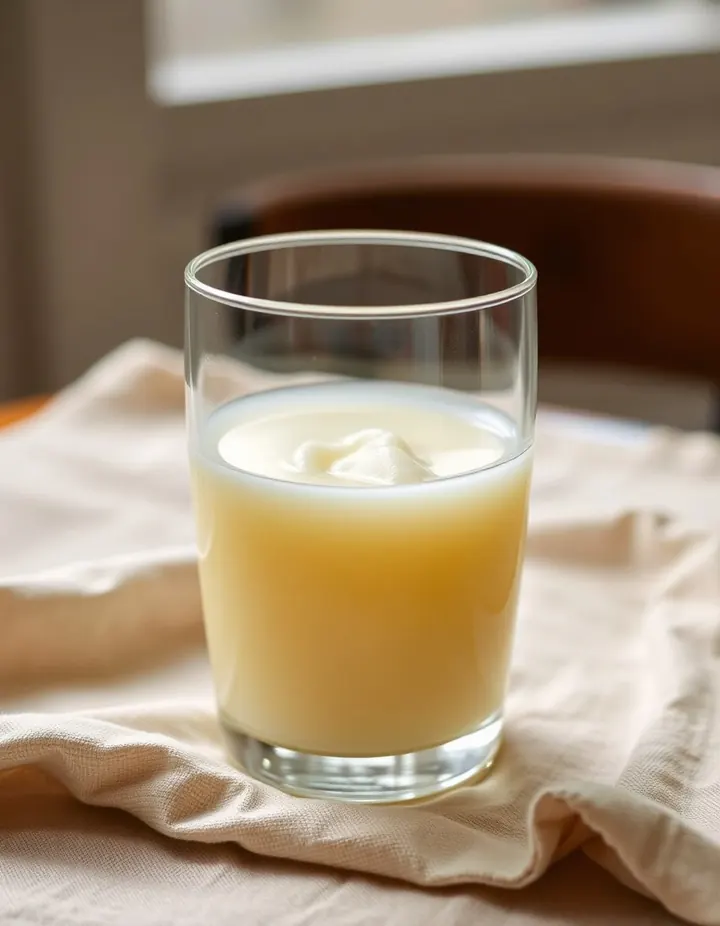 Wine Whey111 recipes
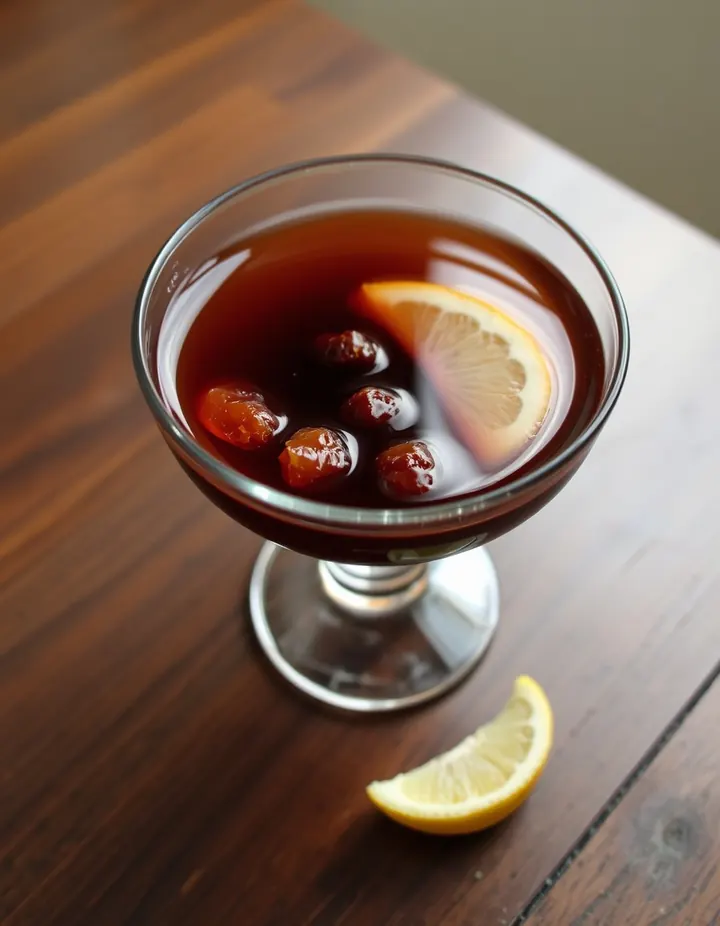 Raisin Wine64 recipes
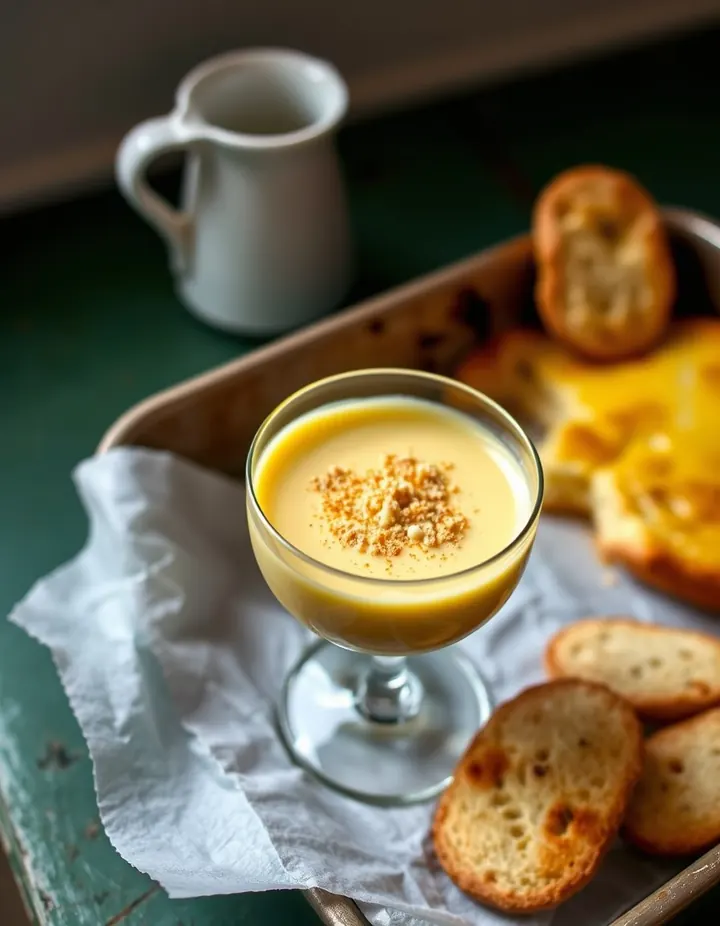 Egg Wine58 recipes
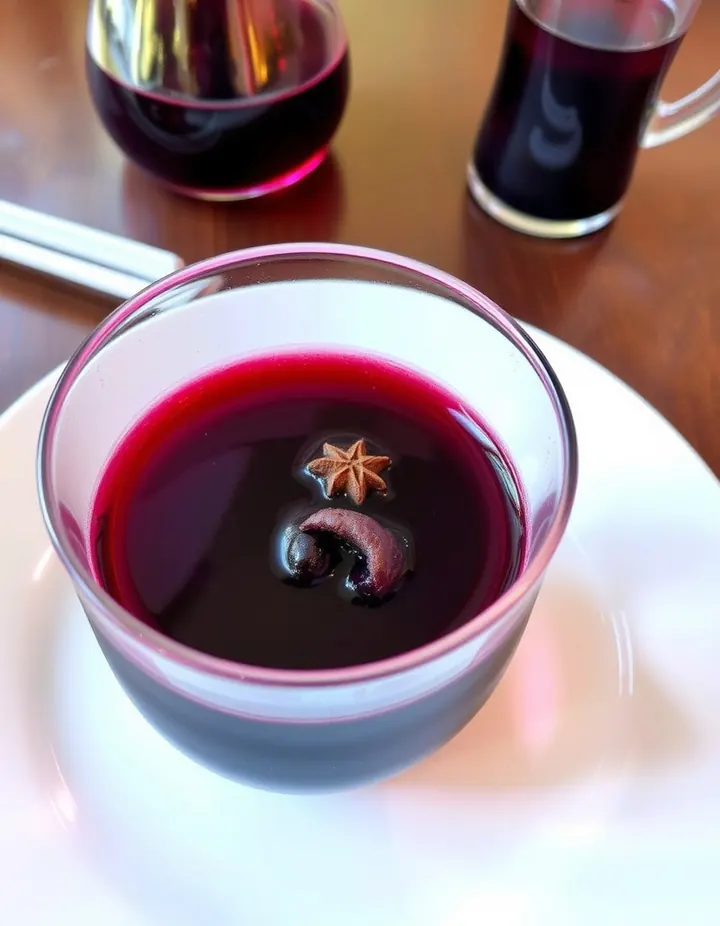 Elderberry Wine51 recipes
The free Flavor Lab newsletter: one surprising pairing a week and the molecular reason it works, in 60 seconds. No spam, unsubscribe anytime.
Prefer an account? Create a free account to save pairings and unlock the full chemistry.