Why it works: Butter and flour are a kitchen classic. They rank in the top 12% of all ingredient pairs, and cooks put them together in 124,287 recipes. Both carry isobutyraldehyde, which smells malty, green. The science ↓
Roast Hare or Rabbit
Ingredients
Directions
The book gives no oven temperature. The 400°F (200°C) in the steps was added when the recipe was transcribed, as a starting point.
Prepare
Skin the hare or rabbit, wash it well in cold water, and rinse thoroughly in lukewarm water.
If musty, rub the insides with vinegar, then wash again in lukewarm water.
Wipe the animal with a soft cloth, stuff with dressing, sew it up, and truss it.
Roast
Roast in a 400°F (200°C) oven for 30 to 45 minutes, basting constantly with butter and dredging with flour before removing.
Make the gravy and serve
For gravy, pour out most fat from the pan, leaving the brown drippings.
Place the pan over heat, stir in 1 tablespoon of flour, and cook until browned.
Gradually stir in 1 pint of boiling water, season with salt and pepper, and let boil briefly.
Serve the hot gravy in a tureen alongside the hot hare or rabbit and currant jelly.
Transcribed from a scanned cookbook and modernised for today's kitchens. Where the book gave no heat or time, or said "a moderate oven", the temperatures and times here may be modern equivalents rather than the book's own figures.
Explore the science
The flavor team
The pairs that carry this dish. Each one is judged two ways: how much their aromas overlap, and how often cooks already put them together.
-
Butter + flourtop 12% of all pairsSmell alikelowCooked together124,287 recipes
Shared aroma: isobutyraldehyde (malty, green).
-
Vinegar + curranttop 13% of all pairsSmell alikelowCooked together693 recipes
Shared aroma: isoamyl acetate (banana, pear).
-
Rabbit + flourtop 13% of all pairsSmell alikemoderateCooked together1,067 recipes
Shared aroma: acetaldehyde (pungent, ethereal).
-
Vinegar + peppertop 14% of all pairsSmell alikemoderateCooked together27,814 recipes
Shared aroma: 4'-methylacetophenone (bitter almond).
-
Rabbit + buttertop 15% of all pairsSmell alikemoderateCooked together1,448 recipes
Shared aroma: decanal (soap, orange peel).
Butter and flour barely smell alike, yet cooks put them together in 124,287 recipes: they work on texture and structure more than aroma.
Ranks compare each pair with 20,000 random ingredient pairs on CompKitchen. How we score pairs
What each ingredient does
- Hare or rabbit
- Is the main meat that is roasted whole and carved for serving.
- Butter
- Basting fat that coats the surface, adding richness and promoting browning.
- Flour
- Dredged over the meat to help form a browned crust, and thickens the gravy.
- Currant jelly
- Served alongside for a sweet, tart contrast to the rich roasted meat.
The step that matters
Roasting time and basting. Hare and rabbit are very lean, so they dry out quickly. Constant basting with butter keeps the surface moist and helps it brown, and checking closely near the end of the range prevents overcooking.
Swap the currant
How well each one fits the dish's main ingredients (rabbit, vinegar, butter, flour, pepper):
- Lemonfits better
- Mangofits better
- Limefits better
- Currantthe original
Fit is the average pairing score against rabbit, vinegar, butter, flour, pepper. Candidates are from the same food group and used in at least 100 recipes.
“What each ingredient does” and “The step that matters” were written by Claude from this recipe’s own method and reviewed in samples by CompKitchen.
More roast hare recipes
You might also like
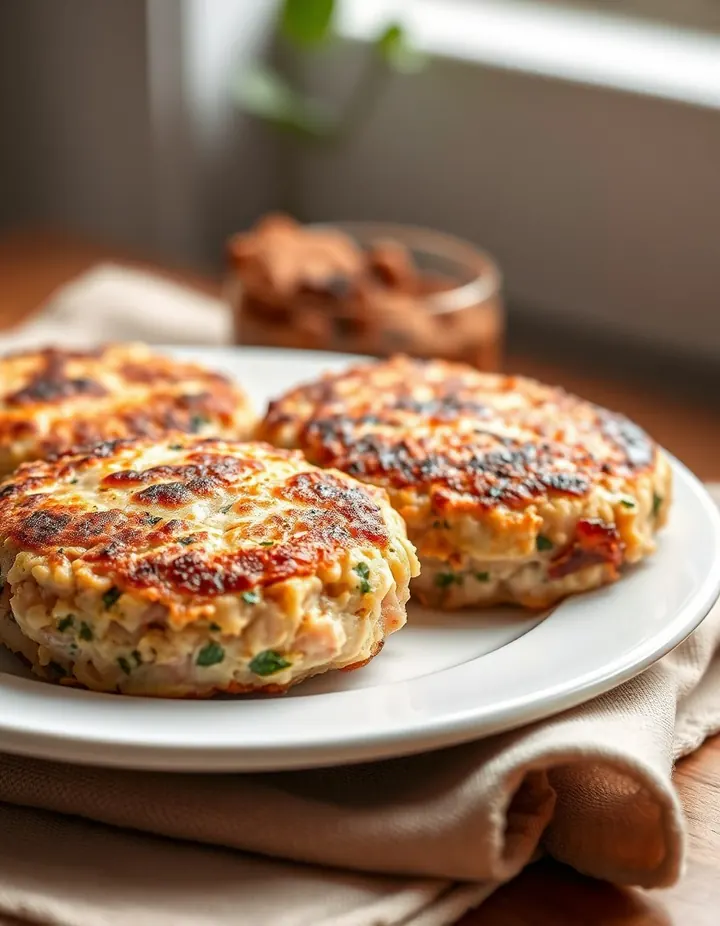 Rabbit Patties6 recipes
 Tomato Soup526 recipes
 Brown Bread461 recipes
 Mutton Broth292 recipes
The free Flavor Lab newsletter: one surprising pairing a week and the molecular reason it works, in 60 seconds. No spam, unsubscribe anytime.
Prefer an account? Create a free account to save pairings and unlock the full chemistry.