Why it works: Rye and molasses work together. They rank in the top 16% of all ingredient pairs, and cooks put them together in 804 recipes. Both carry ethanol, which smells alcoholic, ethereal. The science ↓
Rye and Corn Bread
Ingredients
Directions
The book gives no oven temperature. The 300°F (150°C) in the steps was added when the recipe was transcribed, as a starting point.
Prepare the dough
Scald the Indian meal by pouring just enough boiling water over it to wet it, stirring constantly.
In a large bowl, combine the rye meal, scalded Indian meal, molasses, salt, and yeast.
Mix in warm water until the mixture is stiff but can be stirred with a spoon.
Cover and let the dough rise overnight.
Shape and bake
In the morning, add the baking soda dissolved in a little water.
Transfer the dough to a large pan.
Smooth the top with a hand dipped in cold water.
Let it stand for a short time before baking.
Bake in a preheated oven at 300°F (150°C) for 5 to 6 hours, or overnight if started late in the day.
Transcribed from a scanned cookbook and modernised for today's kitchens. Where the book gave no heat or time, or said "a moderate oven", the temperatures and times here may be modern equivalents rather than the book's own figures.
Explore the science
The flavor team
The pairs that carry this dish. Each one is judged two ways: how much their aromas overlap, and how often cooks already put them together.
-
Rye + molassestop 16% of all pairsSmell alikelowCooked together804 recipes
Shared aroma: ethanol (alcoholic, ethereal).
Ranks compare each pair with 20,000 random ingredient pairs on CompKitchen. How we score pairs
What each ingredient does
- Rye meal or rye flour
- Provides the dense, earthy structure and flavor characteristic of rye bread.
- Indian meal
- Adds body and a coarse, tender crumb; scalding softens its starch for moisture.
- Molasses
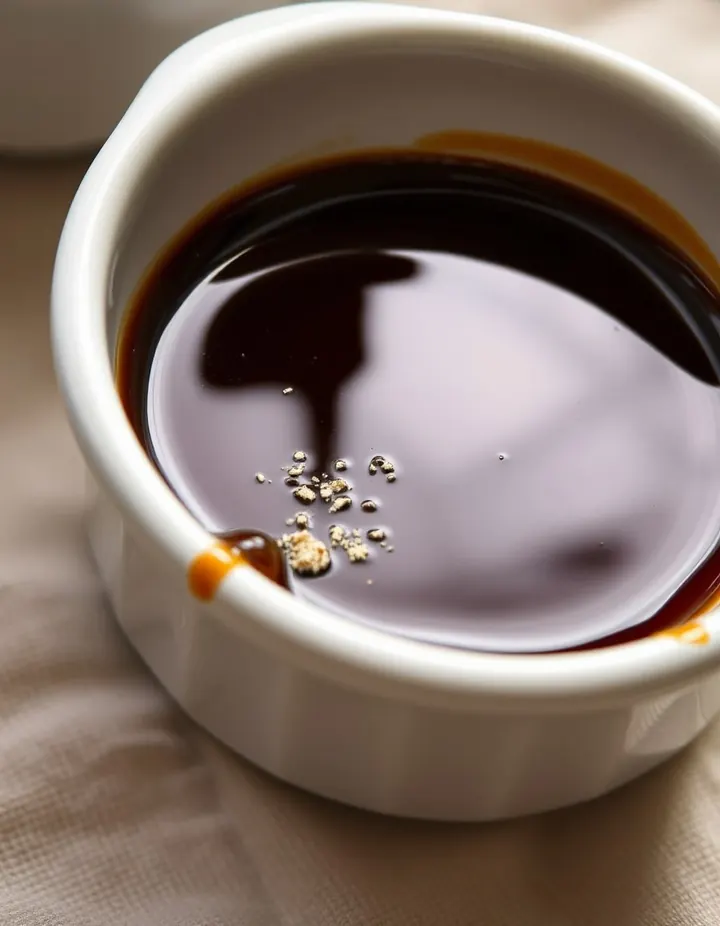
- Adds sweetness, dark color, and moisture, and feeds the yeast.
- Yeast
- Produces gas during the long rise, leavening the dense dough.
- Baking soda
- Reacts with the acidity in the dough to add extra lift and help browning.
The step that matters
Scalding the Indian meal. Pouring just enough boiling water over the meal gelatinizes its starch, so it absorbs and holds moisture. Too much water makes the dough runny, while too little leaves the meal gritty and dry in the finished loaf.
“What each ingredient does” and “The step that matters” were written by Claude from this recipe’s own method and reviewed in samples by CompKitchen.
You might also like
 Molasses Sauce32 recipes
 Tomato Soup526 recipes
 Brown Bread461 recipes
 Mutton Broth292 recipes
The free Flavor Lab newsletter: one surprising pairing a week and the molecular reason it works, in 60 seconds. No spam, unsubscribe anytime.
Prefer an account? Create a free account to save pairings and unlock the full chemistry.