Why it works: Wine and almond are a kitchen classic. They rank in the top 25% of all ingredient pairs, and cooks put them together in 1,260 recipes. Both carry 2,3-pentanedione, which smells butter, sweet. The science ↓
Tipsy Charlotte
Ingredients
Directions
Prepare the cake
Cut the bottom and sides of the stale sponge cake to make it stand evenly in a glass fruit dish.
Make a few deep gashes through the cake with a sharp knife.
Pour the wine over the cake and let it soak in.
Decorate and serve
Blanch, peel, and slice the almonds lengthwise.
Stick the almond slices all over the top of the cake.
Pour the boiled custard over the entire cake.
Serve with a spoon.
Transcribed from a scanned cookbook and modernised for today's kitchens. Where the book gave no heat or time, or said "a moderate oven", the temperatures and times here may be modern equivalents rather than the book's own figures.
Explore the science
The flavor team
The pairs that carry this dish. Each one is judged two ways: how much their aromas overlap, and how often cooks already put them together.
-
Wine + almondtop 25% of all pairsSmell alikelowCooked together1,260 recipes
Shared aroma: 2,3-pentanedione (butter, sweet).
Ranks compare each pair with 20,000 random ingredient pairs on CompKitchen. How we score pairs
What each ingredient does
- Stale sponge cake
- Forms the base structure and absorbs the wine and custard as it soaks.
- Wine
- Soaks into the cake, adding moisture and a boozy flavour.
- Sweet almonds
- Add a crisp, nutty texture and visual finish on top.
- Boiled custard
- Adds richness and moisture, softening the cake as it settles.
The step that matters
Pour the wine over the cake and let it soak in. The stale cake is dry and porous, so it needs time to absorb the wine evenly; pouring too quickly leaves dry pockets and a soggy surface.
“What each ingredient does” and “The step that matters” were written by Claude from this recipe’s own method and reviewed in samples by CompKitchen.
You might also like
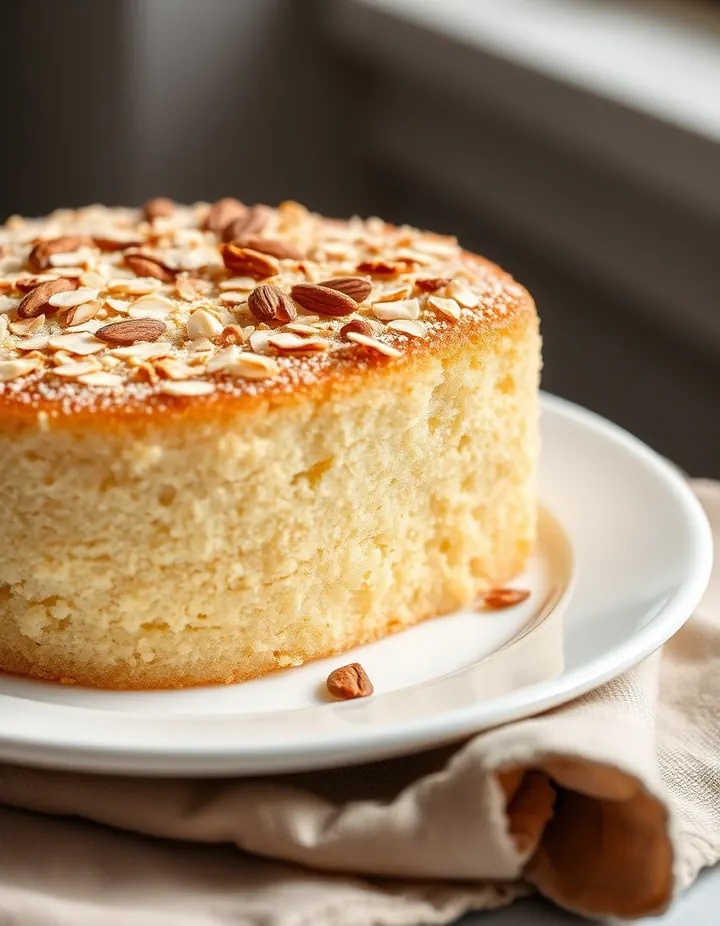 Almond Sponge Cake26 recipes
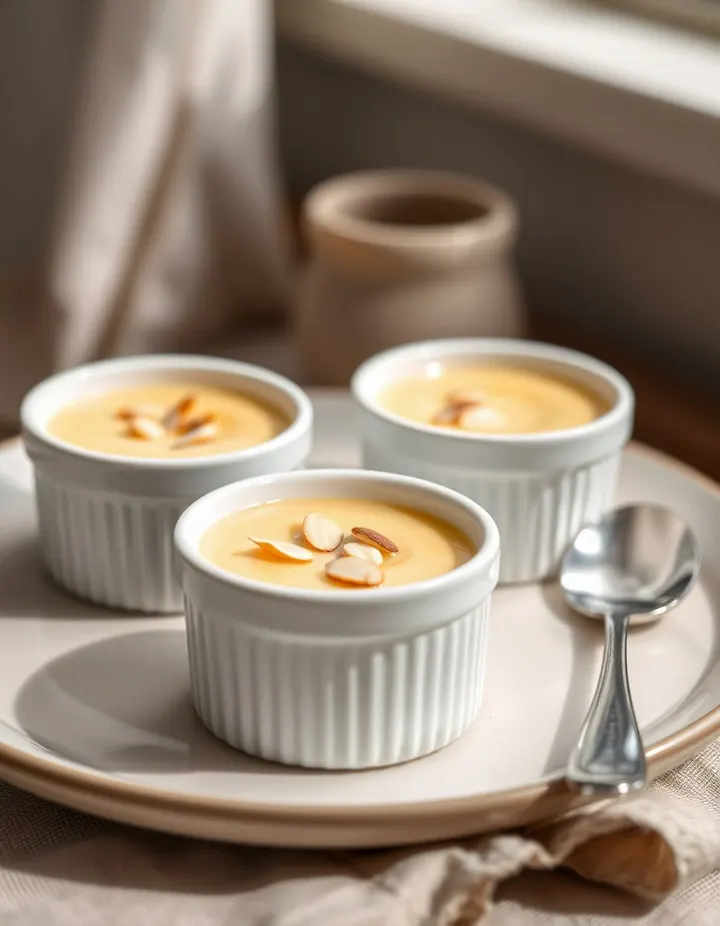 Almond Custard22 recipes
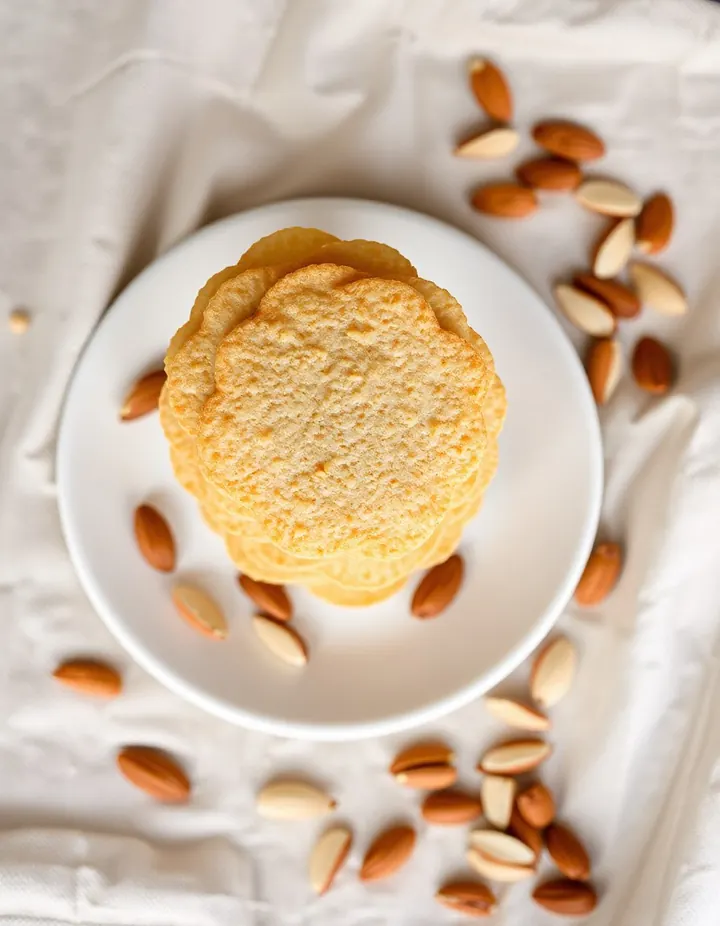 Almond Wafers22 recipes
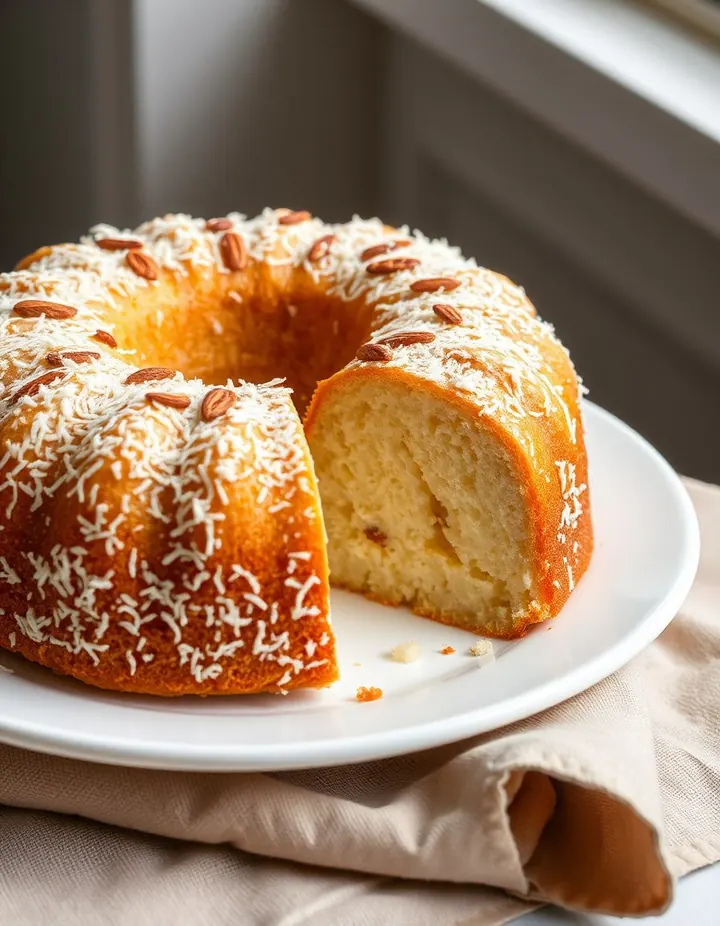 Coconut Almond Cake17 recipes
The free Flavor Lab newsletter: one surprising pairing a week and the molecular reason it works, in 60 seconds. No spam, unsubscribe anytime.
Prefer an account? Create a free account to save pairings and unlock the full chemistry.