Why it works: Currant and flour are a kitchen classic. They rank in the top 26% of all ingredient pairs, and cooks put them together in 8,077 recipes. The science ↓
How to Clean and Prepare Sultana Currants and Raisins for Pastry
Ingredients
Directions
The book says “a very slow oven”. The 300°F (150°C) in the steps is the modern equivalent, not the book's own figure.
Prepare
Lay the currants or raisins on a table. If damp, dust with a little flour to prevent sticking.
Rub them thoroughly, then place them in a fine wire sieve.
Shake the sieve for 2-3 minutes to remove flour and stalks.
Wash and drain
Place the sieve in a large dish-pan filled with hot water and stir for at least 5 minutes.
Lift the sieve and let the currants drain for 3 minutes.
Dry
Cover an iron oven pan with brown paper, spread the currants evenly, and place in a slow oven at 300°F (150°C) for 10 minutes.
Remove and let them dry in the warmest spot for at least 2 days.
Transcribed from a scanned cookbook and modernised for today's kitchens. Where the book gave no heat or time, or said "a moderate oven", the temperatures and times here may be modern equivalents rather than the book's own figures.
Explore the science
The flavor team
The pairs that carry this dish. Each one is judged two ways: how much their aromas overlap, and how often cooks already put them together.
-
Currant + flourtop 26% of all pairsSmell alikelowCooked together8,077 recipes
Ranks compare each pair with 20,000 random ingredient pairs on CompKitchen. How we score pairs
What each ingredient does
- Currants or raisins
- Supplies the chewy texture and concentrated sweetness of the finished pastry filling.
The step that matters
Drying thoroughly after washing. Any water left on the fruit can make pastry soggy and encourage spoilage. Drying in a slow oven and then resting the fruit in a warm spot removes moisture before the fruit is used.
“What each ingredient does” and “The step that matters” were written by Claude from this recipe’s own method and reviewed in samples by CompKitchen.
You might also like
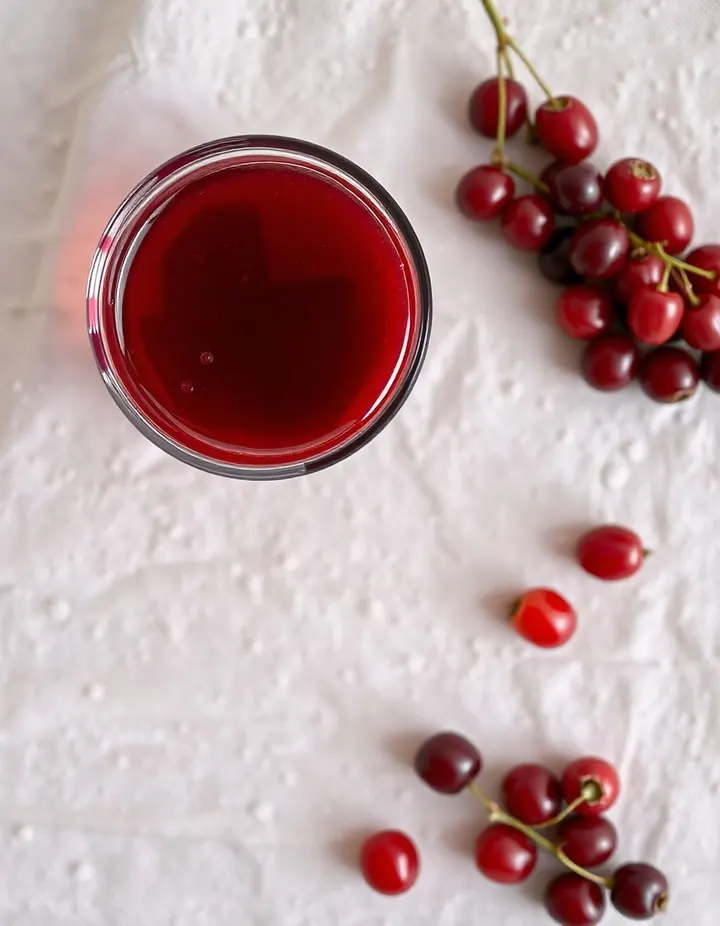 Red Currant Jelly65 recipes
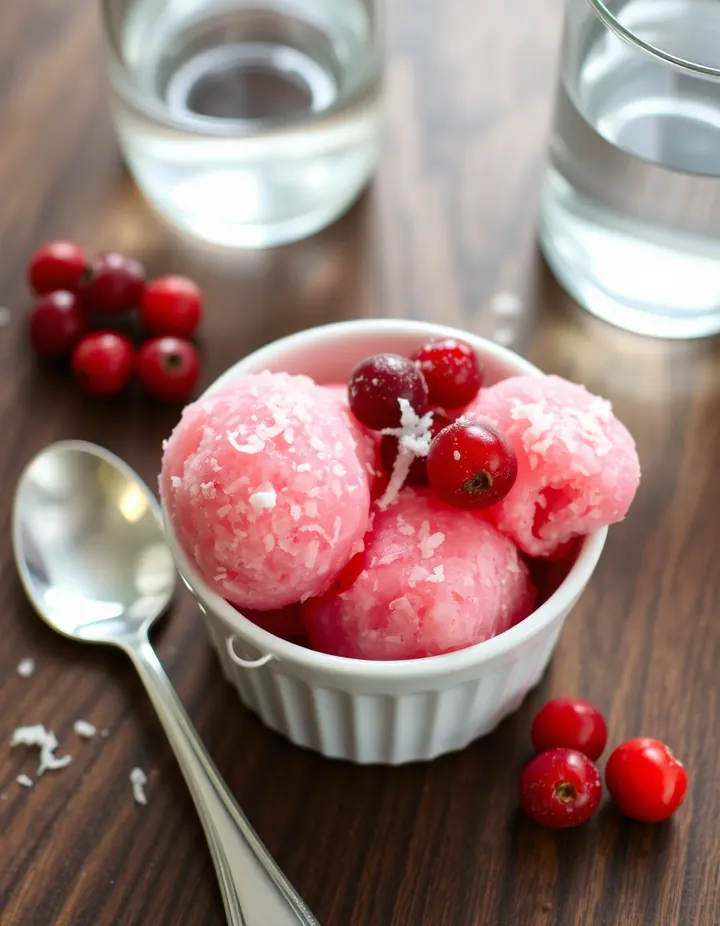 Currant Ice Cream32 recipes
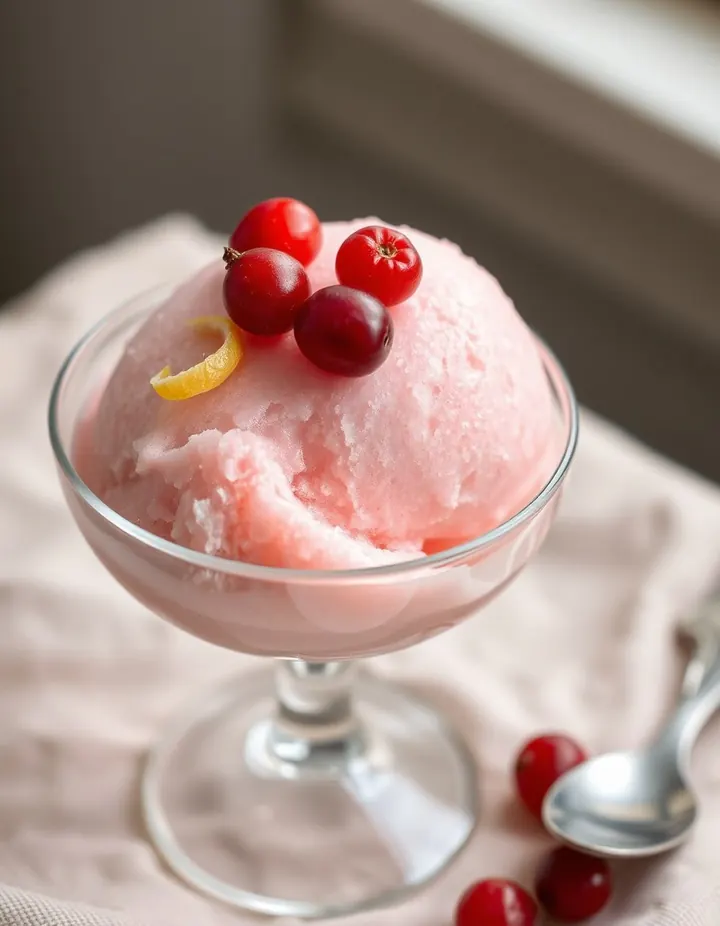 Currant Sherbet9 recipes
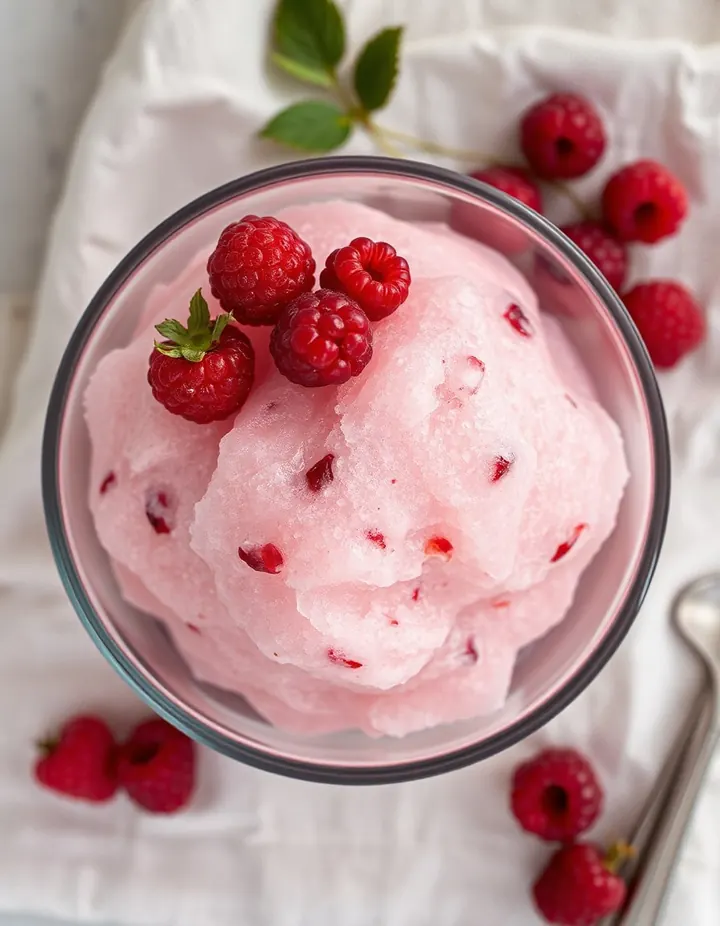 Currant and Raspberry Ice7 recipes
The free Flavor Lab newsletter: one surprising pairing a week and the molecular reason it works, in 60 seconds. No spam, unsubscribe anytime.
Prefer an account? Create a free account to save pairings and unlock the full chemistry.