Why it works: Turkey and pork work together. They rank in the top 7% of all ingredient pairs, and cooks put them together in 830 recipes. Both carry trans-2-decenal, which smells waxy, orange. The science ↓
To Bone a Bird, Fowl or Turkey
Ingredients
Directions
Prepare the bird
Ensure the skin of the bird is firm and unbroken.
Remove the head, wash, and singe the bird.
Remove the tendons from the legs and loosen the skin around the drumsticks.
Using a small pointed knife, cut the skin down the back and scrape the meat away from the bones, starting at the neck.
Loosen the flesh from the shoulder blade, then follow the bone to the wing joint and middle joint in the wing. Be careful not to cut through the skin at these joints. Leave the first bone in the wing.
Remove the flesh from the breast without cutting through the skin at the ridge.
Remove the flesh around the second joint and the drumstick, turning the flesh inside out.
Turn the bird and repeat the process on the other side.
Once the meat is free, lay the bird skin side down on a board.
Stuff and truss
Place the flesh back in, sprinkle with salt and pepper, and stuff the legs and wings with force meat.
Draw the skin up and sew it together.
Turn the bird over and skewer and tie the legs and wings in a trussed position.
Press and tie the body into a natural shape, dredge with flour, salt, and pepper, and cover with slices of salt pork.
Roast and make gravy
Roast the bird for 25 minutes per pound, basting frequently.
To make gravy, use 6 tablespoons of drippings, 1 tablespoon of flour, and 1 cup of cream or white stock.
Season to taste.
Transcribed from a scanned cookbook and modernised for today's kitchens. Where the book gave no heat or time, or said "a moderate oven", the temperatures and times here may be modern equivalents rather than the book's own figures.
Explore the science
The flavor team
The pairs that carry this dish. Each one is judged two ways: how much their aromas overlap, and how often cooks already put them together.
-
Turkey + porktop 7% of all pairsSmell alikemoderateCooked together830 recipes
Shared aroma: trans-2-decenal (waxy, orange).
-
Meat + porktop 11% of all pairsSmell alikemoderateCooked together3,208 recipes
Shared aroma: 1-octen-3-one (mushroom, metallic).
-
Turkey + meattop 13% of all pairsSmell alikelowCooked together540 recipes
Shared aroma: 1-octen-3-ol (mushroom, earthy).
-
Turkey + peppertop 15% of all pairsSmell alikemoderateCooked together1,636 recipes
Shared aroma: myristicin (spice, warm).
-
Pork + creamtop 16% of all pairsSmell alikelowCooked together3,093 recipes
Shared aroma: 1-octen-3-one (mushroom, metallic).
Ranks compare each pair with 20,000 random ingredient pairs on CompKitchen. How we score pairs
What each ingredient does
- Bird (fowl or turkey)
- Forms the main body of the dish, providing the meat that is boned and roasted.
- Force meat (stuffing)
- Fills the legs and wings, adding moisture and flavour while keeping the boned shape.
- Salt pork
- Laid over the bird, it bastes the meat with fat as it roasts.
- Flour
- Dredged over the bird and used in the gravy, where it thickens the liquid.
- Drippings
- Rendered fat from roasting that carries flavour into the gravy.
The step that matters
Cutting the skin at the joints. The skin must stay unbroken at the wing and middle joints and along the breast ridge. A tear lets juices escape and the stuffing leak during roasting, leaving the meat drier.
“What each ingredient does” and “The step that matters” were written by Claude from this recipe’s own method and reviewed in samples by CompKitchen.
You might also like
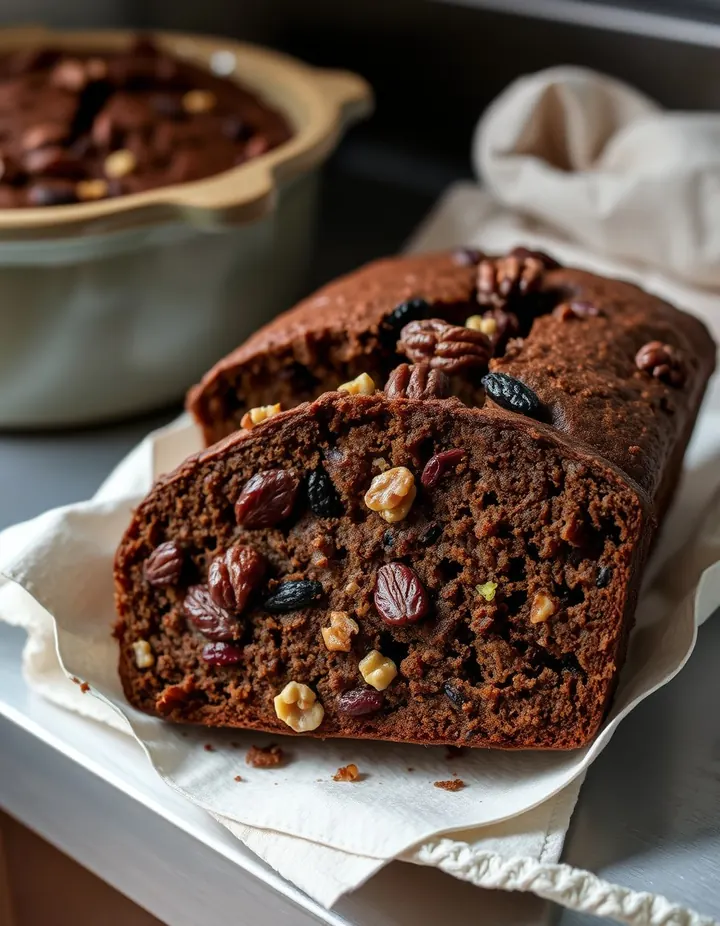 Pork Cake107 recipes
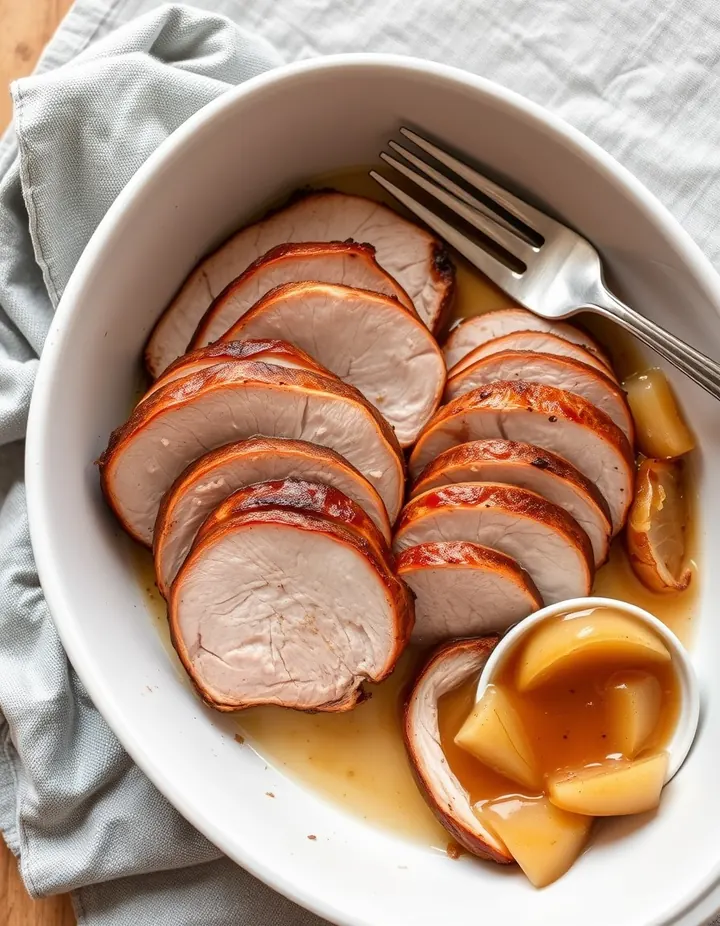 Roast Pork82 recipes
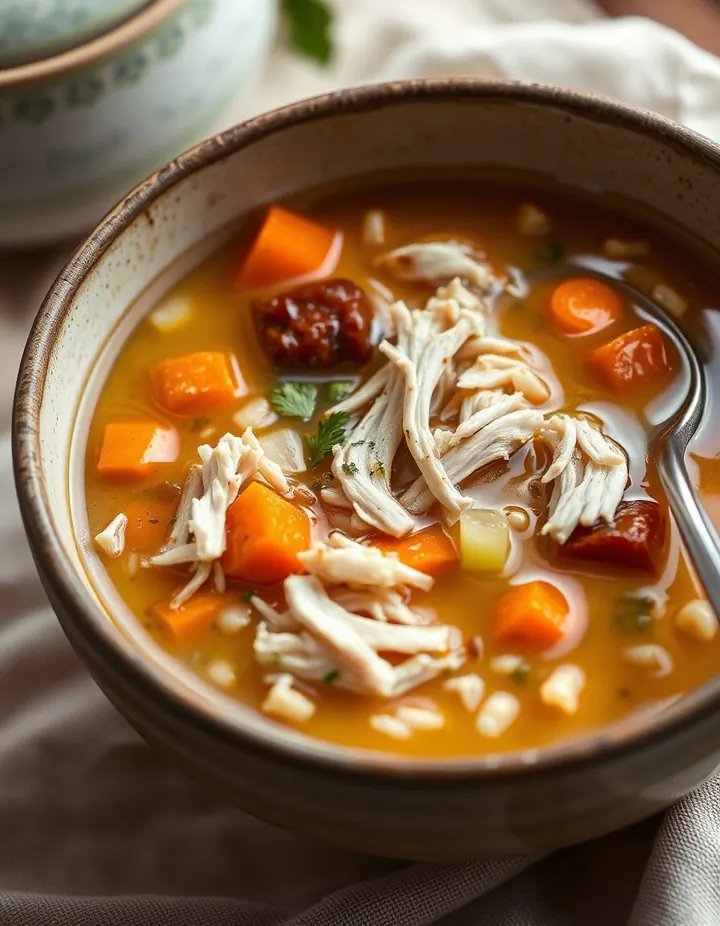 Turkey Soup71 recipes
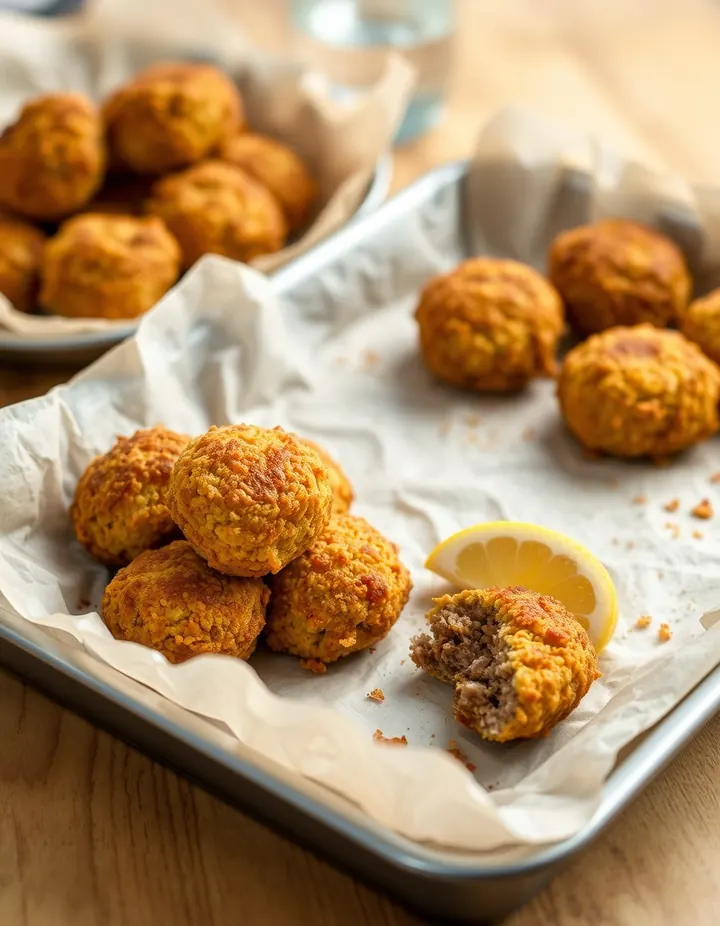 Meat Croquettes52 recipes
The free Flavor Lab newsletter: one surprising pairing a week and the molecular reason it works, in 60 seconds. No spam, unsubscribe anytime.
Prefer an account? Create a free account to save pairings and unlock the full chemistry.