Why it works: Mustard and celery are a kitchen classic. They rank in the top 2% of all ingredient pairs, and cooks put them together in 4,169 recipes. Both carry guaiacol, which smells smoky, sweet. The science ↓
Chopped Cabbage Pickle
Ingredients
Directions
Prepare
Chop the cabbage, tomatoes, and onions into small pieces, but not too fine.
Soak the chopped vegetables in saltwater for 24 hours.
Drain the vegetables.
Soak in vinegar
Soak the drained vegetables in weak vinegar for three days, changing the vinegar each morning.
On the fourth morning, add 1 gallon of vinegar, mustard, sugar, and turmeric to the mixture.
Scald the same vinegar for three mornings.
Finish
Chop the cucumber pickles.
Add the chopped cucumber pickles along with celery seeds, black pepper, mustard seeds, horseradish, olive oil, and mayonnaise.
Transcribed from a scanned cookbook and modernised for today's kitchens. Where the book gave no heat or time, or said "a moderate oven", the temperatures and times here may be modern equivalents rather than the book's own figures.
Explore the science
The flavor team
The pairs that carry this dish. Each one is judged two ways: how much their aromas overlap, and how often cooks already put them together.
-
Mustard + celerytop 2% of all pairsSmell alikemoderateCooked together4,169 recipes
Shared aroma: guaiacol (smoky, sweet).
-
Cucumber + mustardtop 3% of all pairsSmell alikestrongCooked together2,281 recipes
Shared aroma: 2-isopropyl-3-methoxypyrazine (earthy, pea).
-
Cabbage + mustardtop 3% of all pairsSmell alikestrongCooked together1,645 recipes
Shared aroma: 2-isopropyl-3-methoxypyrazine (earthy, pea).
-
Tomato + cucumbertop 4% of all pairsSmell alikemoderateCooked together2,405 recipes
Shared aroma: 2-isopropyl-3-methoxypyrazine (earthy, pea).
-
Tomato + celerytop 4% of all pairsSmell alikemoderateCooked together3,377 recipes
Shared aroma: 4'-methylacetophenone (bitter almond).
Ranks compare each pair with 20,000 random ingredient pairs on CompKitchen. How we score pairs
What each ingredient does
- Cabbage
- Forms the bulk of the pickle and gives it its crisp, chopped texture.
- Vinegar
- Provides the sharp acidity that gives the pickle its tang and helps keep it preserved.
- Brown sugar
- Adds sweetness that balances the sharpness of the vinegar.
- White mustard seeds
- Contributes pungent, sharp flavour to the pickle.
- Olive oil
- Adds fat, giving the pickle a richer mouthfeel.
- Mayonnaise
- Adds creaminess and fat, softening the sharpness of the vinegar.
The step that matters
Drain the vegetables well before the vinegar soak. Water left after the saltwater soak dilutes the weak vinegar and can make the vegetables soft and the pickle watery, so thorough draining helps the vinegar work as intended.
Swap the onion
How well each one fits the dish's main ingredients (cabbage, tomato, cucumber, mustard, celery, pepper, sugar):
- Lettucefits better
- Horseradishfits better
- Broccolifits better
- Onionthe original
Fit is the average pairing score against cabbage, tomato, cucumber, mustard, celery, pepper, sugar. Candidates are from the same food group and used in at least 100 recipes.
“What each ingredient does” and “The step that matters” were written by Claude from this recipe’s own method and reviewed in samples by CompKitchen.
More cabbage pickle recipes
You might also like
 Tomato Soup526 recipes
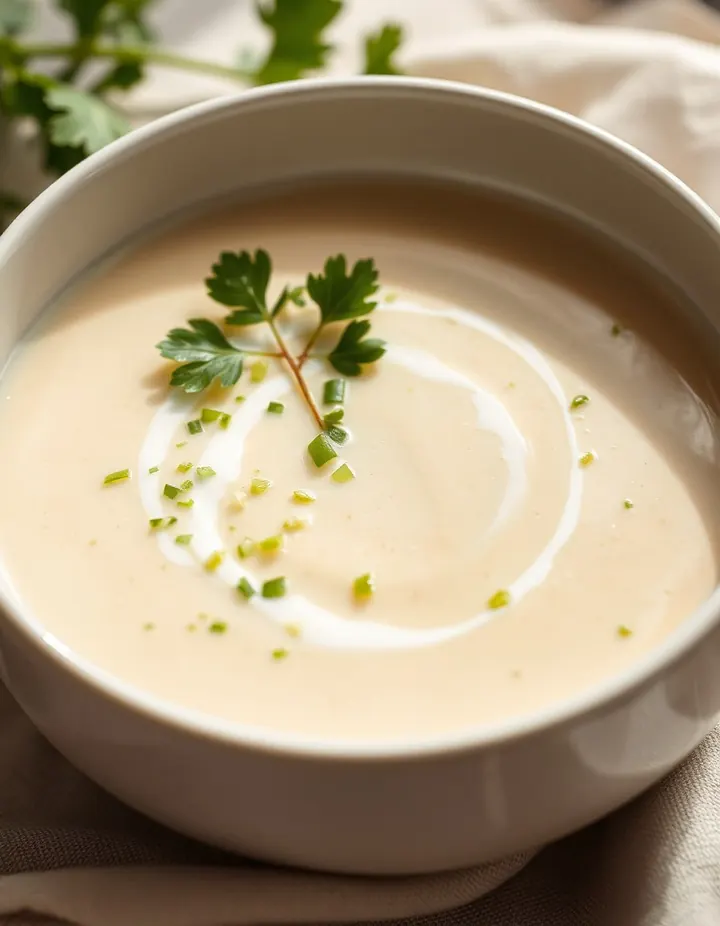 Cream of Celery Soup113 recipes
 Cream of Tomato Soup107 recipes
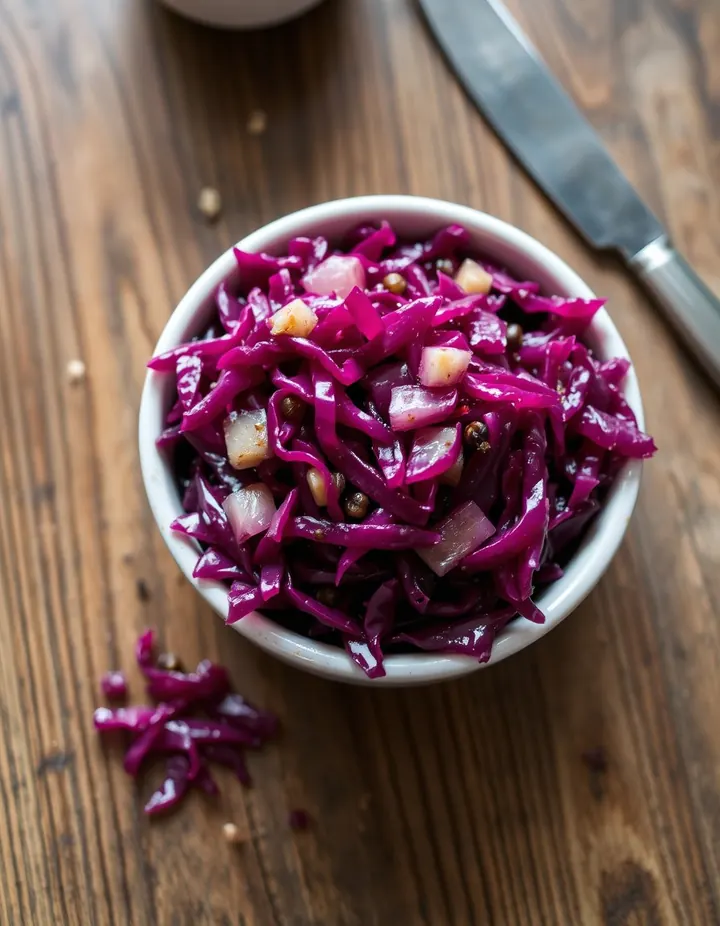 Red Cabbage65 recipes
The free Flavor Lab newsletter: one surprising pairing a week and the molecular reason it works, in 60 seconds. No spam, unsubscribe anytime.
Prefer an account? Create a free account to save pairings and unlock the full chemistry.