Why it works: Fish and lemon are a kitchen classic. They rank in the top 15% of all ingredient pairs, and cooks put them together in 1,889 recipes. Both carry 2-nonenal, which smells fatty, green. The science ↓
Pan-fish
Ingredients
Directions
Fry the fish
Place the fish in a thick-bottomed frying pan with heads facing the same direction.
Fill the spaces with smaller fish if using.
Fry until the fish are brown and ready to turn.
Cover with a dinner plate, drain off the fat, then invert the pan to place the fish on the plate.
Return the lard to the pan, heat it, and slip the fish back in.
Fry the other side until brown, drain, and turn onto a plate as before.
Serve
Transfer the fish to a warm platter and garnish with lemon slices.
Transcribed from a scanned cookbook and modernised for today's kitchens. Where the book gave no heat or time, or said "a moderate oven", the temperatures and times here may be modern equivalents rather than the book's own figures.
Explore the science
The flavor team
The pairs that carry this dish. Each one is judged two ways: how much their aromas overlap, and how often cooks already put them together.
-
Fish + lemontop 15% of all pairsSmell alikelowCooked together1,889 recipes
Shared aroma: 2-nonenal (fatty, green).
Ranks compare each pair with 20,000 random ingredient pairs on CompKitchen. How we score pairs
What each ingredient does
- Fish
- Forms the main body of the dish and browns in the hot fat to develop a crisp, golden surface.
- Lard or cooking fat
- Conducts heat to the fish and browns its surface, adding richness and flavour.
The step that matters
Turning the fish. Turning the fish only once it is well browned lets a crust form that releases cleanly from the pan. Turning too early tears the skin and leaves it stuck to the pan.
“What each ingredient does” and “The step that matters” were written by Claude from this recipe’s own method and reviewed in samples by CompKitchen.
You might also like
 Lemon Sauce236 recipes
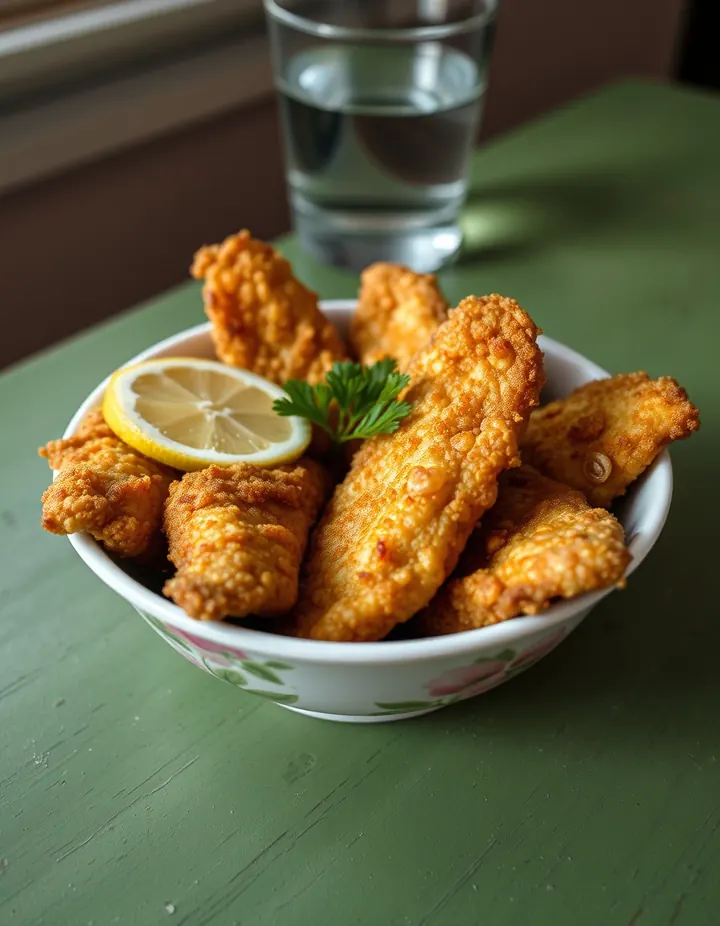 Fried Fish120 recipes
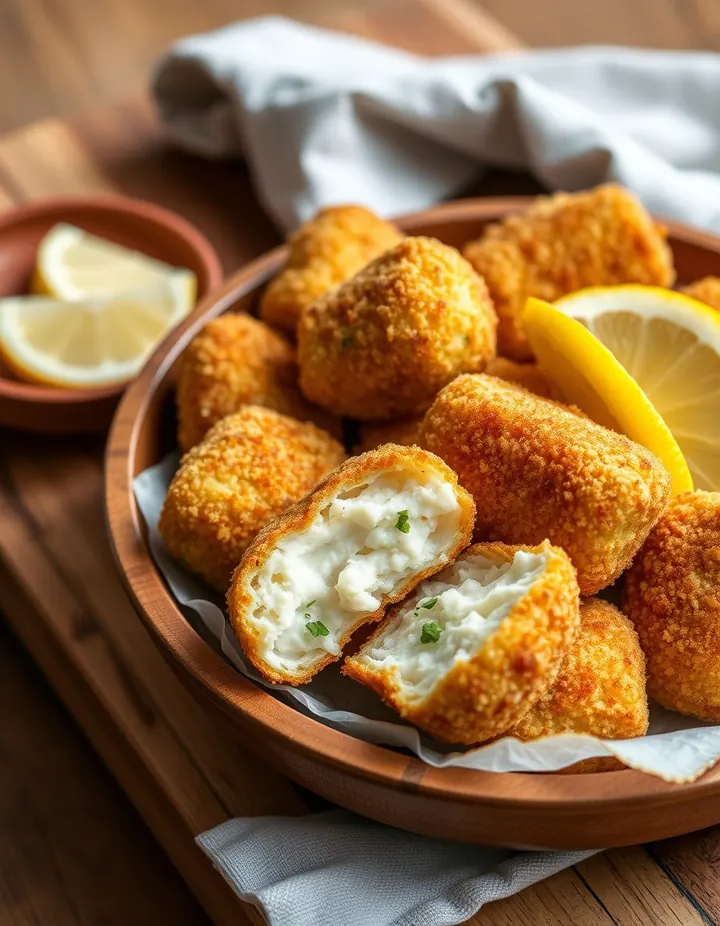 Fish Croquettes81 recipes
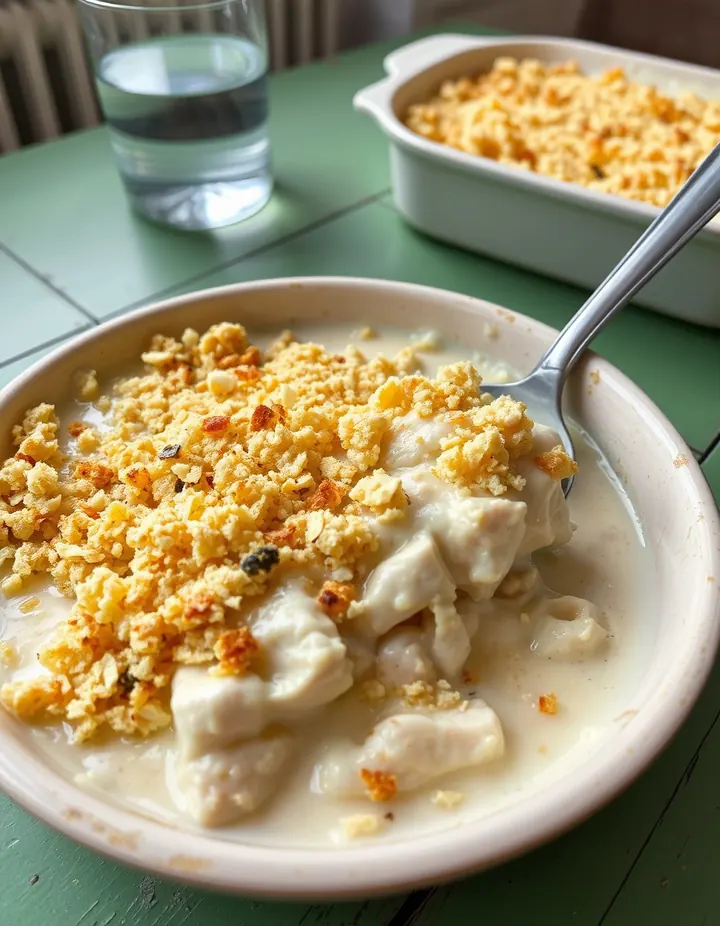 Scalloped Cod69 recipes
The free Flavor Lab newsletter: one surprising pairing a week and the molecular reason it works, in 60 seconds. No spam, unsubscribe anytime.
Prefer an account? Create a free account to save pairings and unlock the full chemistry.