Why it works: Flour and caraway match in chemistry and in kitchens. They rank in the top 6% of all ingredient pairs, and cooks put them together in 1,435 recipes. Both carry isobutyraldehyde, which smells malty, green. The science ↓
To Cook Sauerkraut
Ingredients
Directions
Prepare the sauerkraut
Squeeze the sauerkraut to remove brine.
Wash the sauerkraut in cold water and drain.
Place the sauerkraut in a porcelain-lined or earthen vessel and cover with cold water.
Cook and drain
Boil for 2 hours.
Pour into a colander and press out the water.
Return the sauerkraut to the vessel.
Make the dressing and serve
In a frying pan, heat the lard and flour until light brown.
Mix the dressing thoroughly with the sauerkraut and serve.
Add caraway seeds if desired.
Transcribed from a scanned cookbook and modernised for today's kitchens. Where the book gave no heat or time, or said "a moderate oven", the temperatures and times here may be modern equivalents rather than the book's own figures.
Explore the science
The flavor team
The pairs that carry this dish. Each one is judged two ways: how much their aromas overlap, and how often cooks already put them together.
-
Flour + carawaytop 6% of all pairsSmell alikestrongCooked together1,435 recipes
Shared aroma: isobutyraldehyde (malty, green).
Ranks compare each pair with 20,000 random ingredient pairs on CompKitchen. How we score pairs
What each ingredient does
- Sauerkraut
- Is the main ingredient, providing the dish's tangy, cooked-cabbage body.
- Lard
- Provides fat that carries flavor and helps form the dressing with the flour.
- Flour
- Browns with the lard to form a roux that thickens and gives the dressing body.
The step that matters
Heating the lard and flour until light brown. Browning the flour in fat builds a nutty roux; taking it too far scorches it and gives a bitter taste, while stopping too early leaves a raw floury flavor and weak thickening.
“What each ingredient does” and “The step that matters” were written by Claude from this recipe’s own method and reviewed in samples by CompKitchen.
You might also like
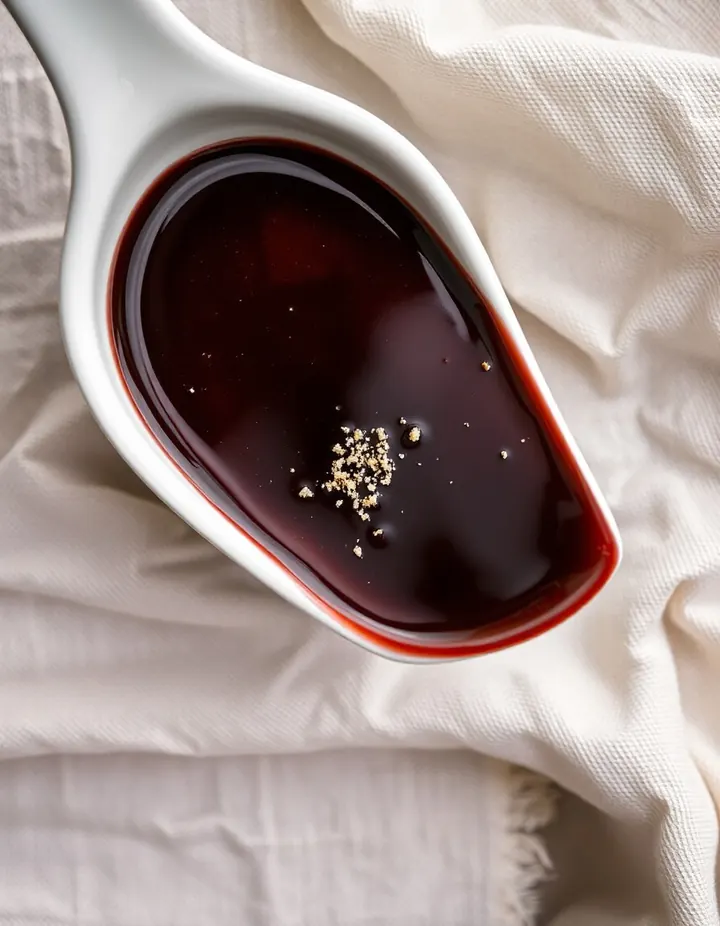 Wine Sauce (for stewed fruit)186 recipes
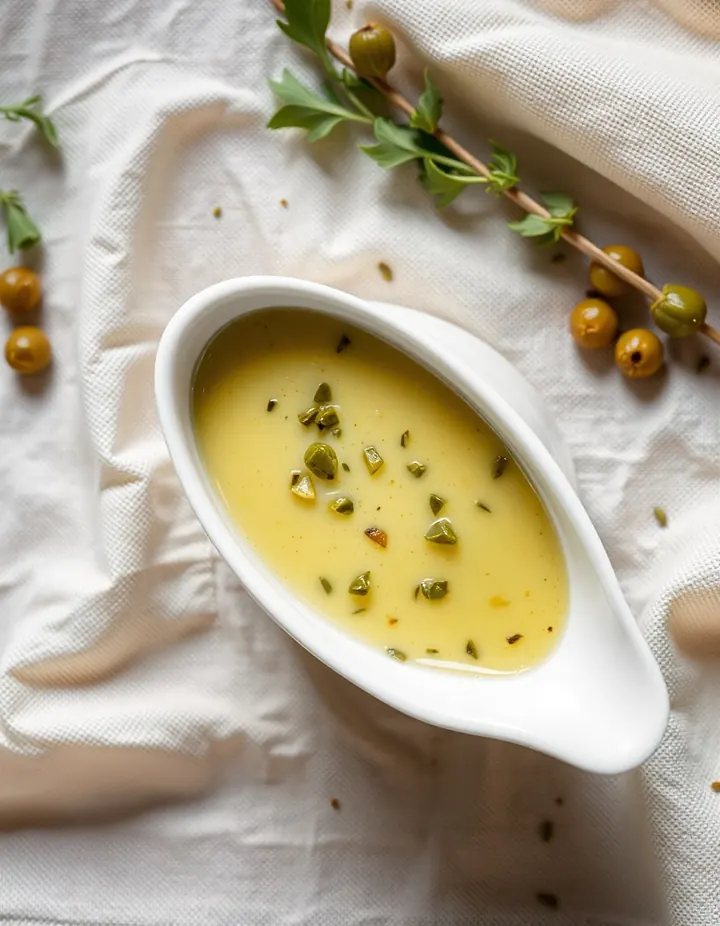 Caper Sauce180 recipes
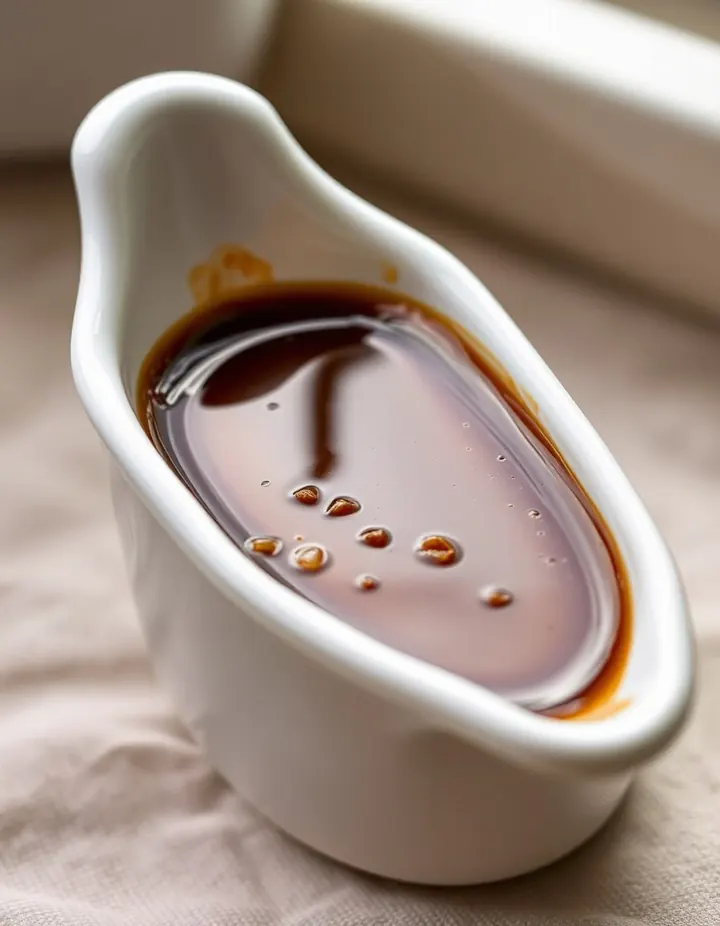 Brown Sauce141 recipes
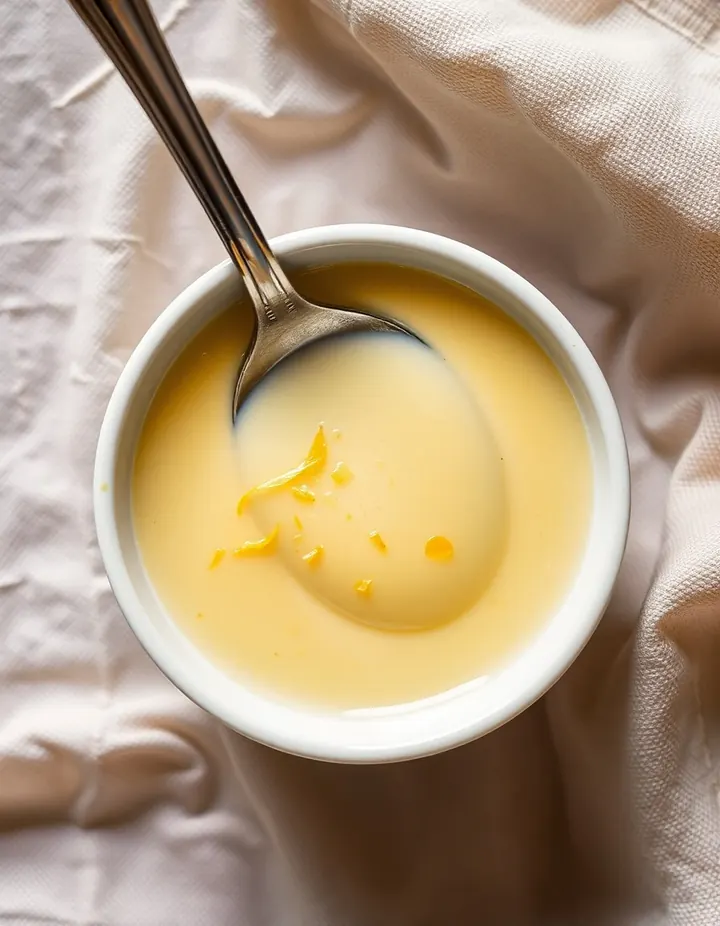 Dutch Sauce74 recipes
The free Flavor Lab newsletter: one surprising pairing a week and the molecular reason it works, in 60 seconds. No spam, unsubscribe anytime.
Prefer an account? Create a free account to save pairings and unlock the full chemistry.