Why it works: Rice and butter are a kitchen classic. They rank in the top 16% of all ingredient pairs, and cooks put them together in 9,645 recipes. Both carry trans-2-nonenal, which smells cardboard, fatty. The science ↓
Boiled Rice
Ingredients
Directions
Prepare
Wash the rice through several waters.
Bring two quarts of salted water to a boil.
Cook and dry
Slowly add the rice to the boiling water, stirring with a wooden spoon to prevent sticking.
Cook until the grains are perfectly soft, then drain well.
Sprinkle with salt and cover with a cloth, leaving a small opening for steam to escape.
Set on the back of the range or inside the oven to dry.
Serve
If serving as a vegetable, season with butter.
Transcribed from a scanned cookbook and modernised for today's kitchens. Where the book gave no heat or time, or said "a moderate oven", the temperatures and times here may be modern equivalents rather than the book's own figures.
Explore the science
The flavor team
The pairs that carry this dish. Each one is judged two ways: how much their aromas overlap, and how often cooks already put them together.
-
Rice + buttertop 16% of all pairsSmell alikemoderateCooked together9,645 recipes
Shared aroma: trans-2-nonenal (cardboard, fatty).
Ranks compare each pair with 20,000 random ingredient pairs on CompKitchen. How we score pairs
What each ingredient does
- Rice
- Forms the bulk of the dish; its starch gelatinises as it cooks, giving the grains their soft texture.
- Butter
- Adds fat and richness to the cooked grains, carrying flavour and a smooth mouthfeel.
The step that matters
Cook until the grains are perfectly soft, then drain well. Rice must be cooked long enough for the starch to fully gelatinise, but not so long that the grains break down. Draining thoroughly removes excess cooking water, so the rice does not turn soggy as it dries.
“What each ingredient does” and “The step that matters” were written by Claude from this recipe’s own method and reviewed in samples by CompKitchen.
More boiled rice recipes
You might also like
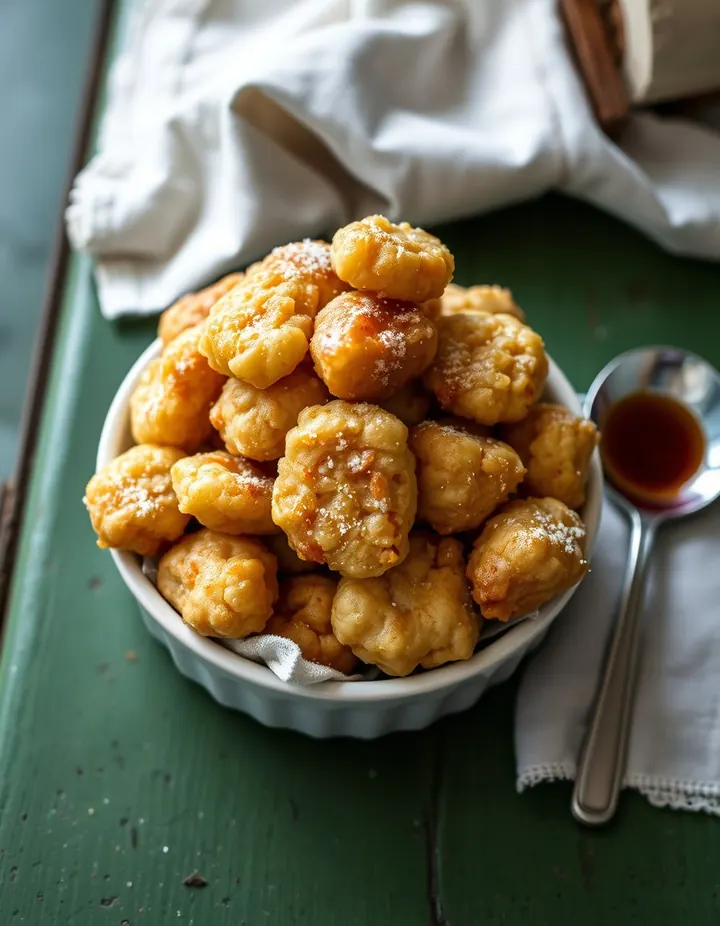 Rice Fritters84 recipes
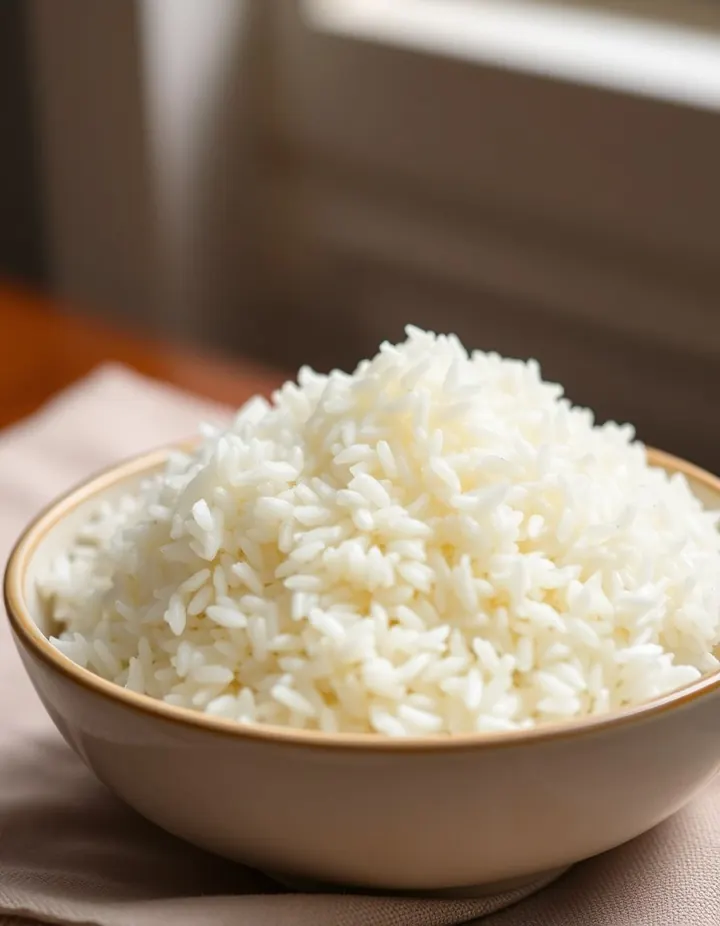 Steamed Rice48 recipes
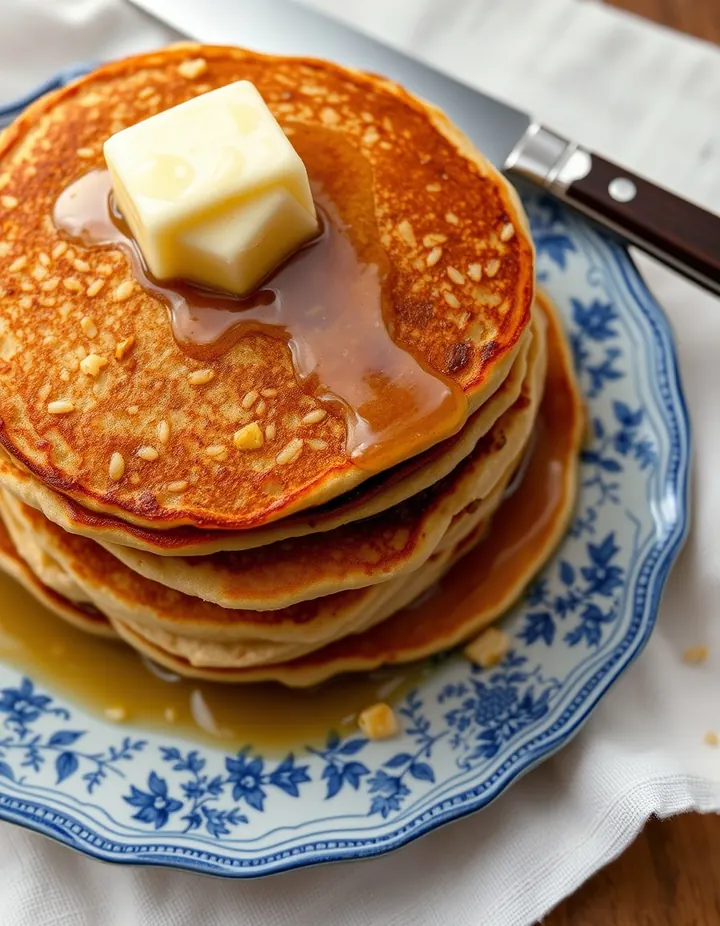 Rice Griddle Cakes28 recipes
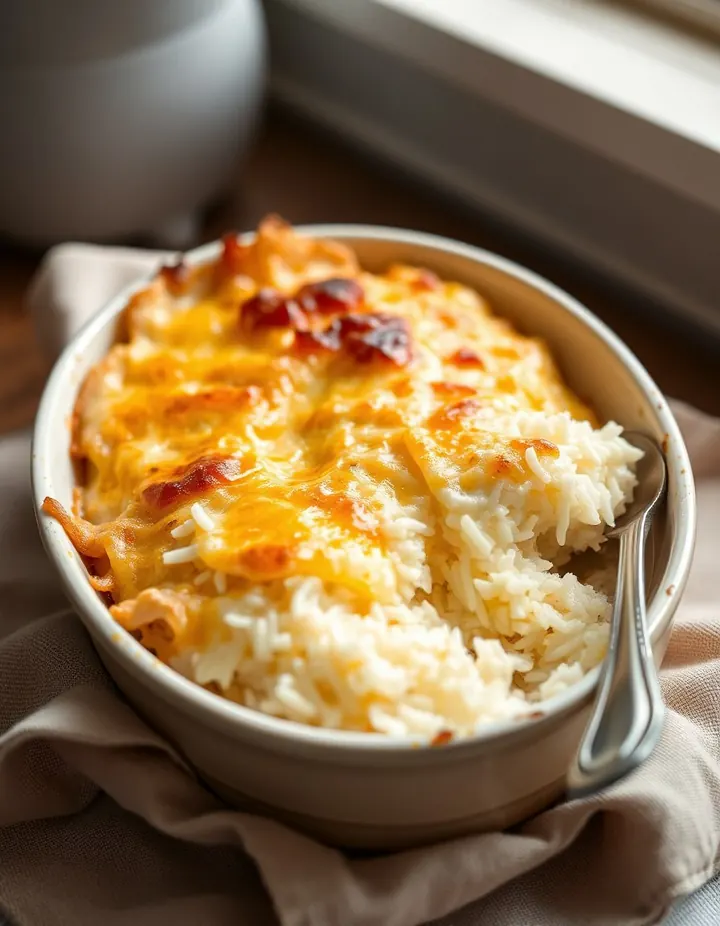 Rice and Cheese Casserole23 recipes
The free Flavor Lab newsletter: one surprising pairing a week and the molecular reason it works, in 60 seconds. No spam, unsubscribe anytime.
Prefer an account? Create a free account to save pairings and unlock the full chemistry.