Why it works: Coconut and vanilla match in chemistry and in kitchens. They rank in the top 1% of all ingredient pairs, and cooks put them together in 2,294 recipes. Both carry ethyl caproate, which smells fruity, apple peel. The science ↓
Charlotte Parisienne
Ingredients
Directions
Prepare the base
Soak the gelatine in a little cold water for 1 to 2 hours.
Chill 1 pint of cream and whip it. Set aside on ice.
Boil the remaining pint of cream in a saucepan.
Beat the eggs and sugar together until well mixed.
Pour a little hot cream onto the egg mixture, stirring briskly. Return the mixture to the saucepan.
Stir constantly for about 1 minute until it thickens, but do not let it boil.
Stir in the soaked gelatine. Remove from heat.
Strain into a bowl.
Make the custard and set
Add the powdered macaroons, lady-fingers, coconut, and vanilla.
Let it cool until just beginning to set.
Place the bowl in a pan of cracked ice. Stir until smooth and thick.
Gently fold in the whipped cream with as few strokes as possible.
Mold and serve
Rinse a mold with cold water. Fill it with the mixture. Set aside on ice until firm.
Turn out onto a serving plate and serve immediately.
Or hollow out a stale round sponge cake, fill it with the mixture, and let it harden.
Serve with sweetened cream or custard sauce, very cold.
Transcribed from a scanned cookbook and modernised for today's kitchens. Where the book gave no heat or time, or said "a moderate oven", the temperatures and times here may be modern equivalents rather than the book's own figures.
Explore the science
The flavor team
The pairs that carry this dish. Each one is judged two ways: how much their aromas overlap, and how often cooks already put them together.
-
Coconut + vanillatop 1% of all pairsSmell alikestrongCooked together2,294 recipes
Shared aroma: ethyl caproate (fruity, apple peel).
-
Sugar + vanillatop 8% of all pairsSmell alikelowCooked together35,032 recipes
Shared aroma: beta-damascenone (apple, rose).
-
Cream + sugartop 9% of all pairsSmell alikemoderateCooked together43,450 recipes
Shared aroma: 2,3-butanedione (butter, sweet).
-
Cream + vanillatop 15% of all pairsSmell alikelowCooked together12,301 recipes
Shared aroma: 2-nonanone (fruity, floral).
-
Coconut + creamtop 18% of all pairsSmell alikemoderateCooked together1,223 recipes
Shared aroma: delta-dodecalactone (sweet, creamy).
Sugar and vanilla barely smell alike, yet cooks put them together in 35,032 recipes: they work on texture and structure more than aroma.
Ranks compare each pair with 20,000 random ingredient pairs on CompKitchen. How we score pairs
What each ingredient does
- Gelatine
- Sets the mixture so it holds its shape when turned out of the mold.
- Eggs
- Thicken the custard base as they cook gently with the hot cream.
- Cream
- Adds richness and a light, airy texture when whipped and folded in.
- Macaroons
- Add almond flavour and body to the set mixture.
- Lady-fingers
- Soak up moisture and add structure and body to the mixture.
- Grated coconut
- Adds flavour and a soft, chewy texture to the set dessert.
The step that matters
Fold in the whipped cream gently. Whipped cream is full of trapped air. Overmixing deflates it and makes the set dessert dense, so use as few strokes as possible.
Swap the coconut
How well each one fits the dish's main ingredients (cream, egg, sugar, vanilla):
- Strawberryfits better
- Raspberryfits about as well
- Figfits about as well
- Coconutthe original
Fit is the average pairing score against cream, egg, sugar, vanilla. Candidates are from the same food group and used in at least 100 recipes.
“What each ingredient does” and “The step that matters” were written by Claude from this recipe’s own method and reviewed in samples by CompKitchen.
You might also like
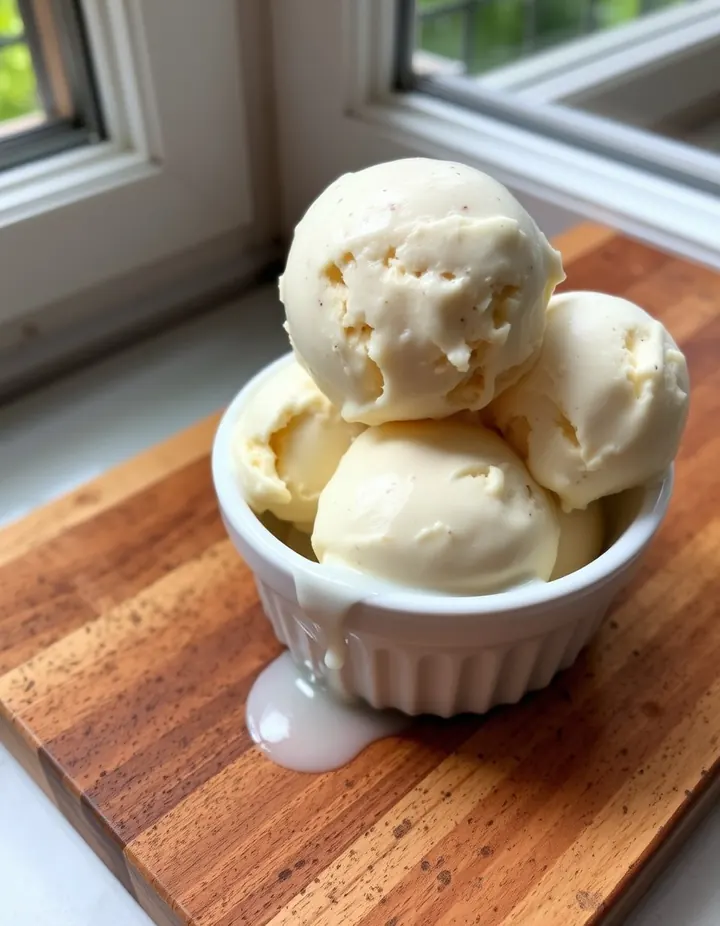 Vanilla Ice Cream108 recipes
 White Cake431 recipes
 Pound Cake373 recipes
 Orange Bundt Cake349 recipes
The free Flavor Lab newsletter: one surprising pairing a week and the molecular reason it works, in 60 seconds. No spam, unsubscribe anytime.
Prefer an account? Create a free account to save pairings and unlock the full chemistry.