Why it works: Apricot and orange match in chemistry and in kitchens. They rank in the top 7% of all ingredient pairs, and cooks put them together in 703 recipes. Both carry ethyl isobutyrate, which smells fruity, ethereal. The science ↓
Macedoine of Fruit
Ingredients
Directions
Prepare the jelly
Prepare Wine Jelly using Champagne and let it cool.
Rinse a mold with cold water.
Pour in enough jelly to cover the bottom by 1 inch and set it on ice to harden.
Keep the remaining jelly cool but not hardening.
Layer and set
Once the jelly in the mold is set, arrange some fruit neatly on top.
Pour just enough jelly over the fruit to barely cover it, then set aside to harden.
Repeat layering fruit and jelly until the mold is full.
If desired, alternate layers with plain jelly.
Let the filled mold sit for several hours to harden completely.
Serve
If any plain jelly remains, beat it to a froth when it starts to stiffen and serve it around the Macedoine.
Transcribed from a scanned cookbook and modernised for today's kitchens. Where the book gave no heat or time, or said "a moderate oven", the temperatures and times here may be modern equivalents rather than the book's own figures.
Explore the science
The flavor team
The pairs that carry this dish. Each one is judged two ways: how much their aromas overlap, and how often cooks already put them together.
-
Apricot + orangetop 7% of all pairsSmell alikestrongCooked together703 recipes
Shared aroma: ethyl isobutyrate (fruity, ethereal).
-
Wine + champagnetop 8% of all pairsSmell alikemoderateCooked together172 recipes
Shared aroma: ethyl isobutyrate (fruity, ethereal).
-
Champagne + apricottop 12% of all pairsSmell alikemoderateCooked together18 recipes
Shared aroma: ethyl isobutyrate (fruity, ethereal).
-
Champagne + orangetop 13% of all pairsSmell alikemoderateCooked together260 recipes
Shared aroma: ethyl isobutyrate (fruity, ethereal).
-
Wine + apricottop 14% of all pairsSmell alikemoderateCooked together247 recipes
Shared aroma: 4-methoxybenzaldehyde (sweet, anise).
Ranks compare each pair with 20,000 random ingredient pairs on CompKitchen. How we score pairs
What each ingredient does
- Champagne
- Gives the wine jelly its flavour and acidity.
- Small fresh fruits
- Provide the colourful, juicy pieces suspended within the clear jelly.
- Oranges
- Add bright citrus flavour and juiciness to the fruit layers.
The step that matters
Pour just enough jelly over the fruit to barely cover it. Too much liquid floats the fruit or pools jelly, while too little leaves gaps. Jelly must be cool but not setting, so it settles around the fruit without melting the layer below.
Swap the orange
How well each one fits the dish's main ingredients (wine, champagne, apricot):
- Strawberryfits better
- Plumfits better
- Pineapplefits better
- Orangethe original
Fit is the average pairing score against wine, champagne, apricot. Candidates are from the same food group and used in at least 100 recipes.
“What each ingredient does” and “The step that matters” were written by Claude from this recipe’s own method and reviewed in samples by CompKitchen.
You might also like
 Orange Bundt Cake349 recipes
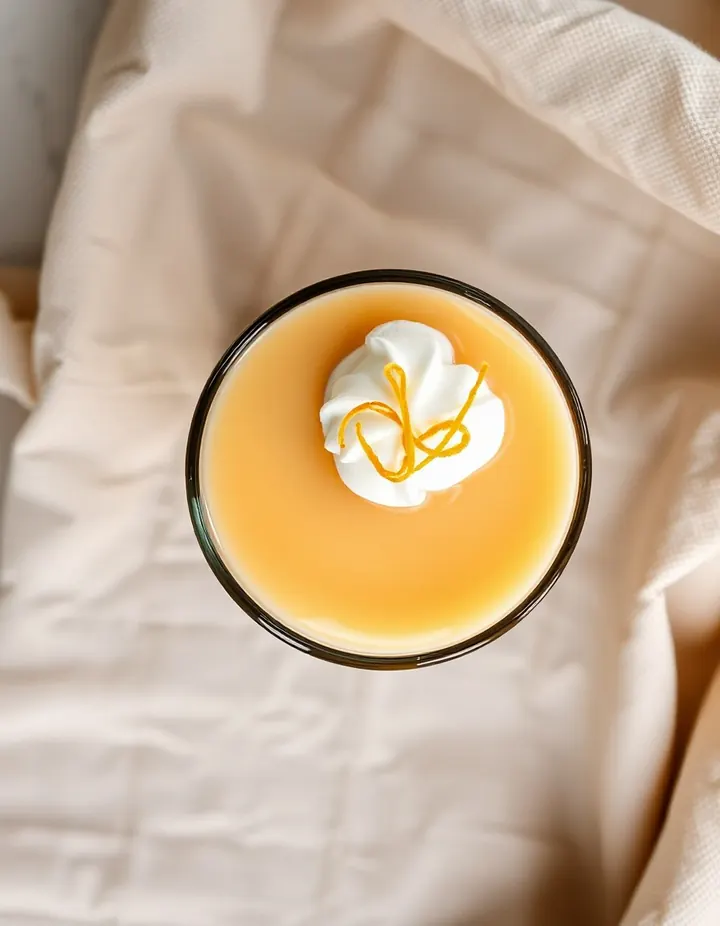 Orange Cream Rice Pudding121 recipes
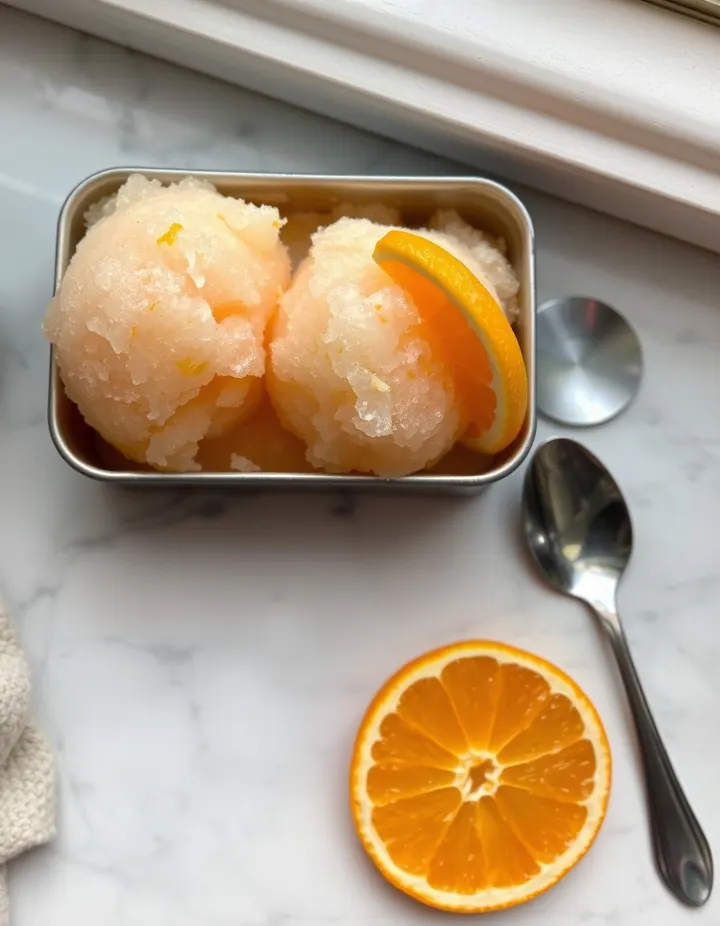 Orange Gelatin100 recipes
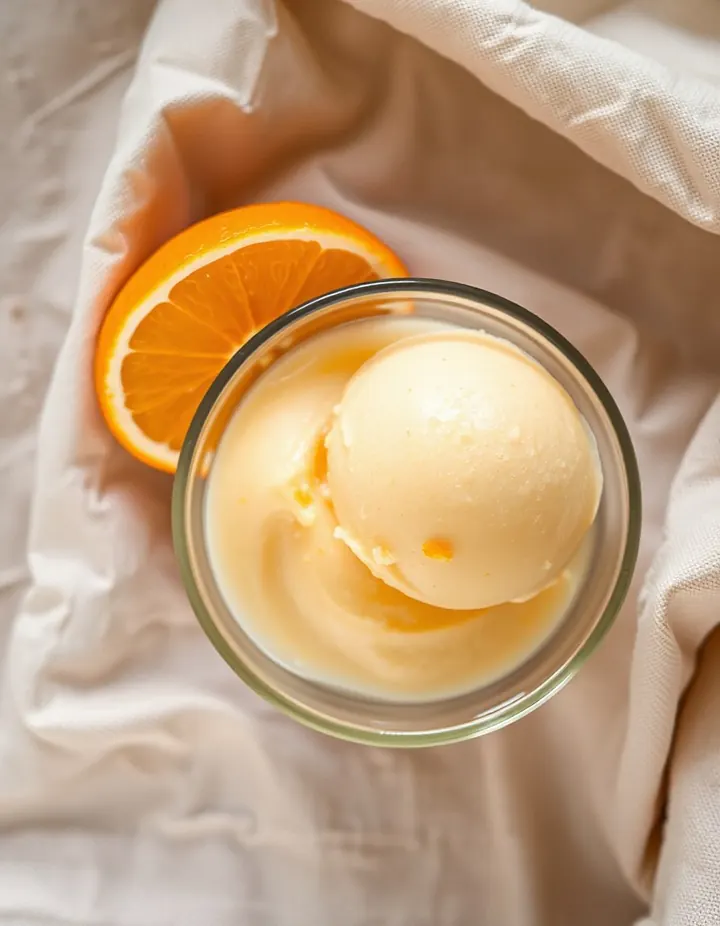 Orange Sherbet73 recipes
The free Flavor Lab newsletter: one surprising pairing a week and the molecular reason it works, in 60 seconds. No spam, unsubscribe anytime.
Prefer an account? Create a free account to save pairings and unlock the full chemistry.