Why it works: Wine and butter are a kitchen classic. They rank in the top 13% of all ingredient pairs, and cooks put them together in 8,645 recipes. Both carry 2-furfurylthiol, which smells coffee, roasted. The science ↓
Nesselrode Pudding
Ingredients
Directions
Prepare
Soak the gelatine in a little cold milk for 1 hour.
Remove the crust and cut the sponge cake into slices about 1 inch thick.
Soak the cake slices in sherry wine.
Layer the mold
Fit a layer of soaked cake in the bottom of a tin ice-cream mold.
Layer mixed fruits on top of the cake, adding them bit by bit.
Cover the fruit with another layer of cake, leaving space between the cake and the mold.
Repeat layering until the mold is nearly filled.
Make the custard
Prepare the chocolate custard according to the recipe for Boiled Custard.
When the custard is boiling hot, dissolve the soaked gelatine in it, strain, and set aside to cool.
When the custard is cold, pour it carefully into the mold, filling it not quite full.
Seal, chill and serve
Fit the cover closely. Seal the crack with a strip of muslin dipped in melted butter.
Set the mold in a tub of ice and salt, with 3 inches of ice and 1 inch of salt. Cover with a carpet and place in a cold area for about 6 hours, ensuring the ice is kept over it and renewing if necessary.
When ready, turn out of the mold and serve with whipped cream sauce.
Transcribed from a scanned cookbook and modernised for today's kitchens. Where the book gave no heat or time, or said "a moderate oven", the temperatures and times here may be modern equivalents rather than the book's own figures.
Explore the science
The flavor team
The pairs that carry this dish. Each one is judged two ways: how much their aromas overlap, and how often cooks already put them together.
-
Wine + buttertop 13% of all pairsSmell alikemoderateCooked together8,645 recipes
Shared aroma: 2-furfurylthiol (coffee, roasted).
-
Sherry + buttertop 14% of all pairsSmell alikemoderateCooked together3,505 recipes
Shared aroma: ethyl octanoate (fruity, wine).
-
Chocolate + buttertop 16% of all pairsSmell alikemoderateCooked together10,543 recipes
Shared aroma: delta-decalactone (sweet, creamy).
-
Sherry + raisintop 17% of all pairsSmell alikemoderateCooked together386 recipes
Shared aroma: ethyl caproate (fruity, apple peel).
-
Chocolate + sherrytop 19% of all pairsSmell alikemoderateCooked together94 recipes
Shared aroma: ethyl cinnamate (sweet, balsamic).
Ranks compare each pair with 20,000 random ingredient pairs on CompKitchen. How we score pairs
What each ingredient does
- Gelatine
- Sets the chilled custard so it holds its shape when turned out.
- Sponge cake
- Forms the soft base layers that absorb the sherry and hold the fruit.
- Chocolate custard
- Provides the rich, creamy body and chocolate flavour of the pudding.
- Sherry wine
- Soaks into the cake, adding moisture and a sweet, aromatic flavour.
- Mixed preserved, candied, and brandied fruits
- Adds sweetness, chewy texture and concentrated fruit flavour between the cake layers.
The step that matters
Dissolve the gelatine in the boiling custard, then cool it fully before pouring. Gelatine must be fully dissolved in hot custard and the custard cooled until it is cold before filling, so it sets evenly rather than separating or staying soft.
Swap the raisin
How well each one fits the dish's main ingredients (chocolate, sherry, wine, butter):
- Vanillafits better
- Pineapplefits better
- Grapefits better
- Raisinthe original
Fit is the average pairing score against chocolate, sherry, wine, butter. Candidates are from the same food group and used in at least 100 recipes.
“What each ingredient does” and “The step that matters” were written by Claude from this recipe’s own method and reviewed in samples by CompKitchen.
You might also like
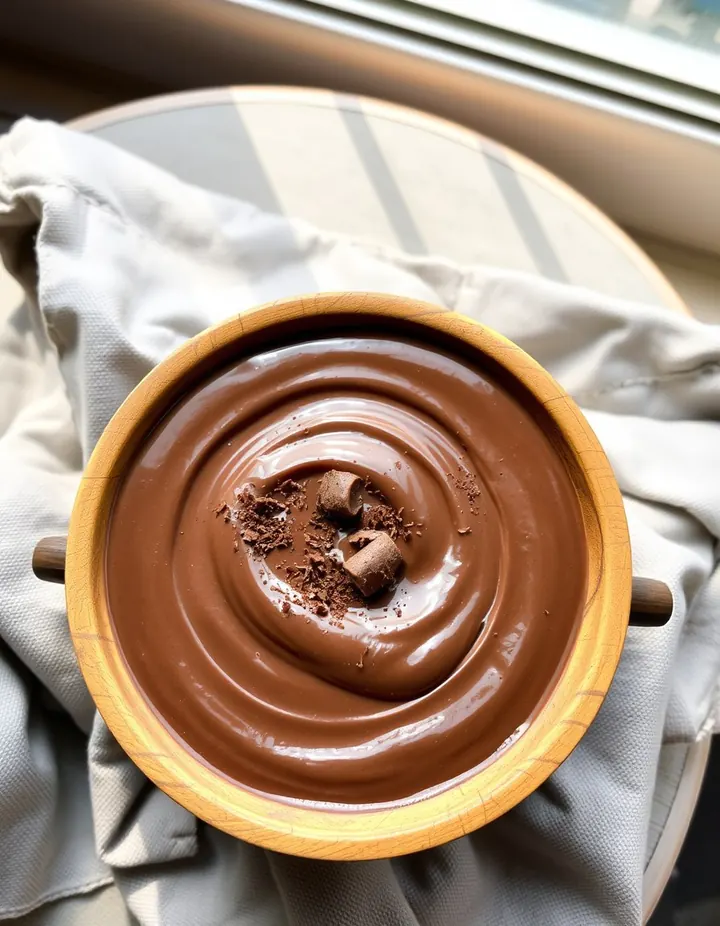 Chocolate Cream171 recipes
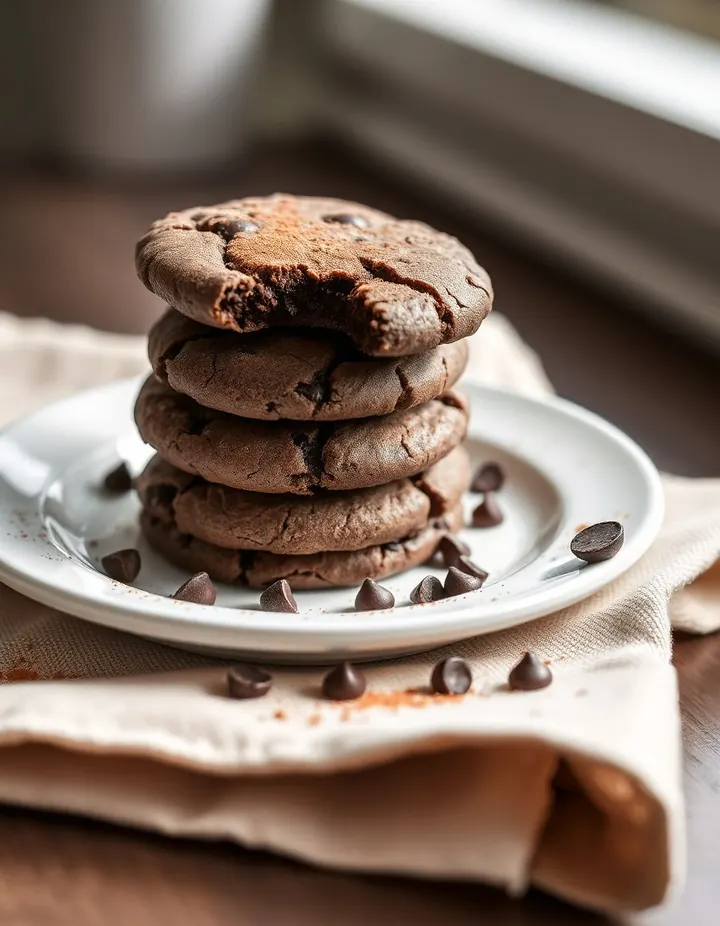 Chocolate Cookies76 recipes
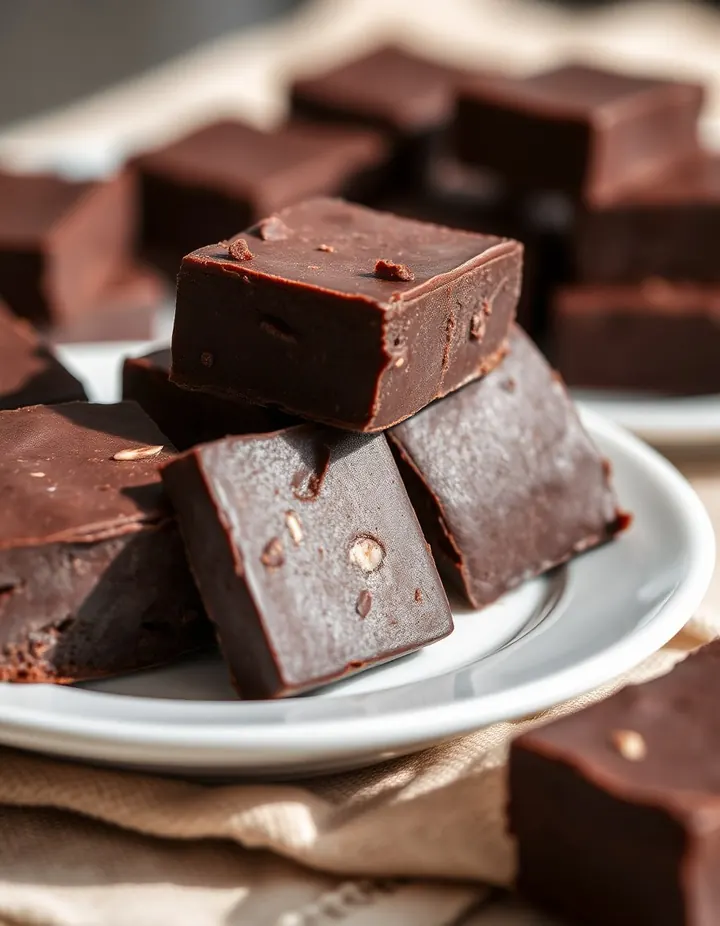 Chocolate Fudge55 recipes
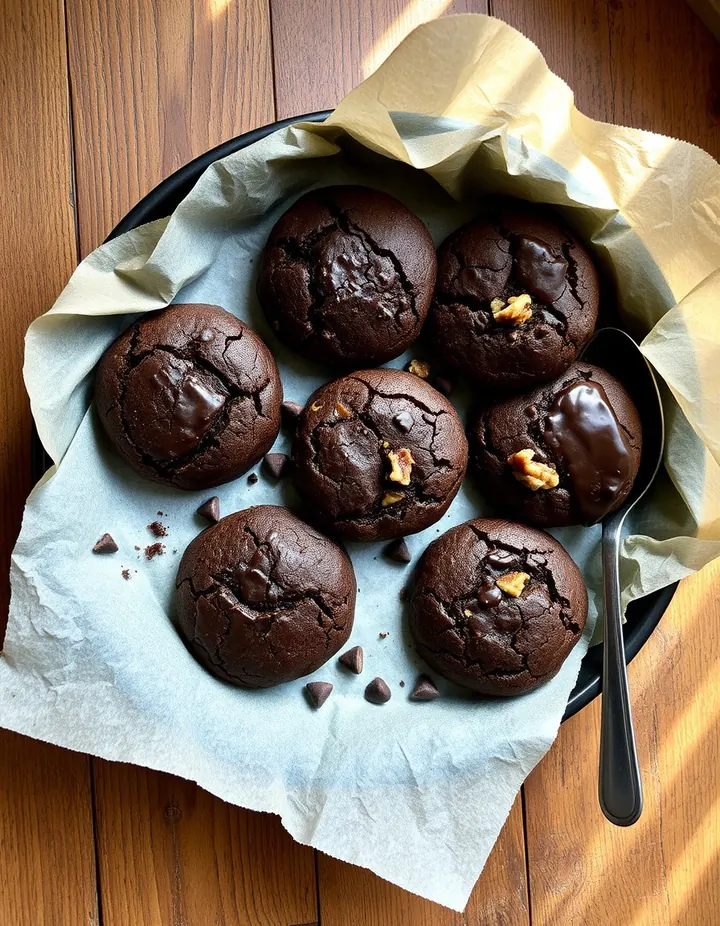 Chocolate Drop Cookies50 recipes
The free Flavor Lab newsletter: one surprising pairing a week and the molecular reason it works, in 60 seconds. No spam, unsubscribe anytime.
Prefer an account? Create a free account to save pairings and unlock the full chemistry.