Why it works: Flour and butter are a kitchen classic. They rank in the top 12% of all ingredient pairs, and cooks put them together in 124,287 recipes. Both carry isobutyraldehyde, which smells malty, green. The science ↓
Batter Yeast Bread
Ingredients
Directions
The book gives no oven temperature. The 350°F (175°C) in the steps was added when the recipe was transcribed, as a starting point.
Make the dough
In a large bowl, combine the flour and butter or lard.
Mix in the yeast to form a dough.
Shape the dough into one large loaf.
Rise and bake
Place the loaf in a warm spot to rise until nearly doubled in size.
Preheat the oven to 350°F (175°C) and bake the loaf.
Transcribed from a scanned cookbook and modernised for today's kitchens. Where the book gave no heat or time, or said "a moderate oven", the temperatures and times here may be modern equivalents rather than the book's own figures.
Explore the science
The flavor team
The pairs that carry this dish. Each one is judged two ways: how much their aromas overlap, and how often cooks already put them together.
-
Flour + buttertop 12% of all pairsSmell alikelowCooked together124,287 recipes
Shared aroma: isobutyraldehyde (malty, green).
Flour and butter barely smell alike, yet cooks put them together in 124,287 recipes: they work on texture and structure more than aroma.
Ranks compare each pair with 20,000 random ingredient pairs on CompKitchen. How we score pairs
What each ingredient does
- All-purpose flour
- Provides the protein network that gives the loaf its structure.
- Butter or lard
- Adds fat that softens the crumb and gives a more tender texture.
- Yeast
- Produces gas as it ferments, which makes the dough rise and become airy.
The step that matters
Letting the loaf rise until nearly doubled. Yeast gas inflates the dough's gluten network. Too little rising leaves a dense loaf, while overproofing lets the structure weaken so the loaf may collapse or bake up flat.
“What each ingredient does” and “The step that matters” were written by Claude from this recipe’s own method and reviewed in samples by CompKitchen.
More yeast bread recipes
You might also like
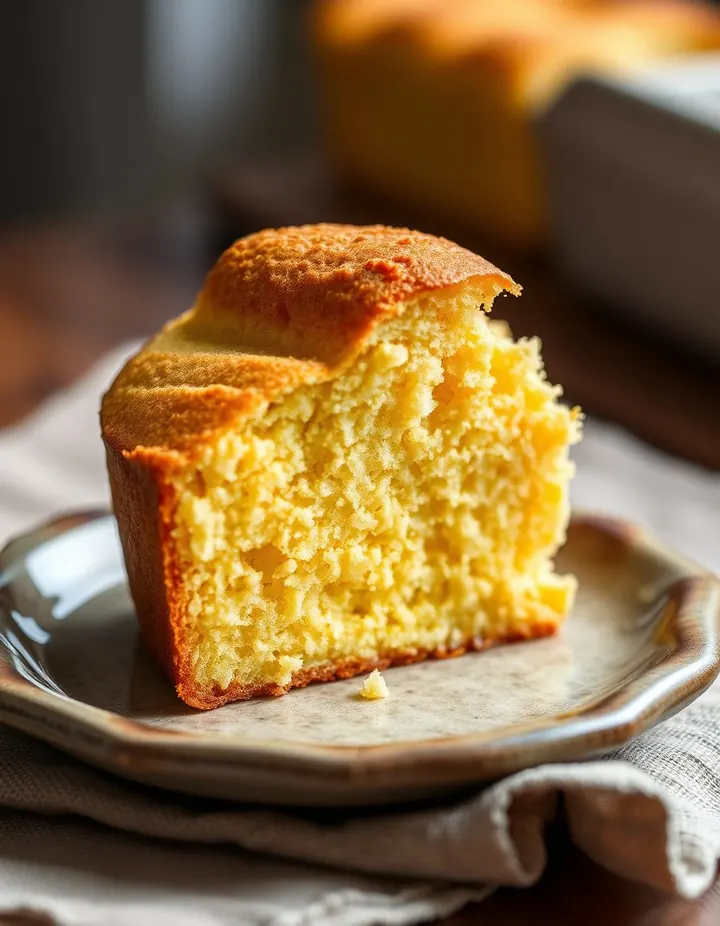 Cornbread345 recipes
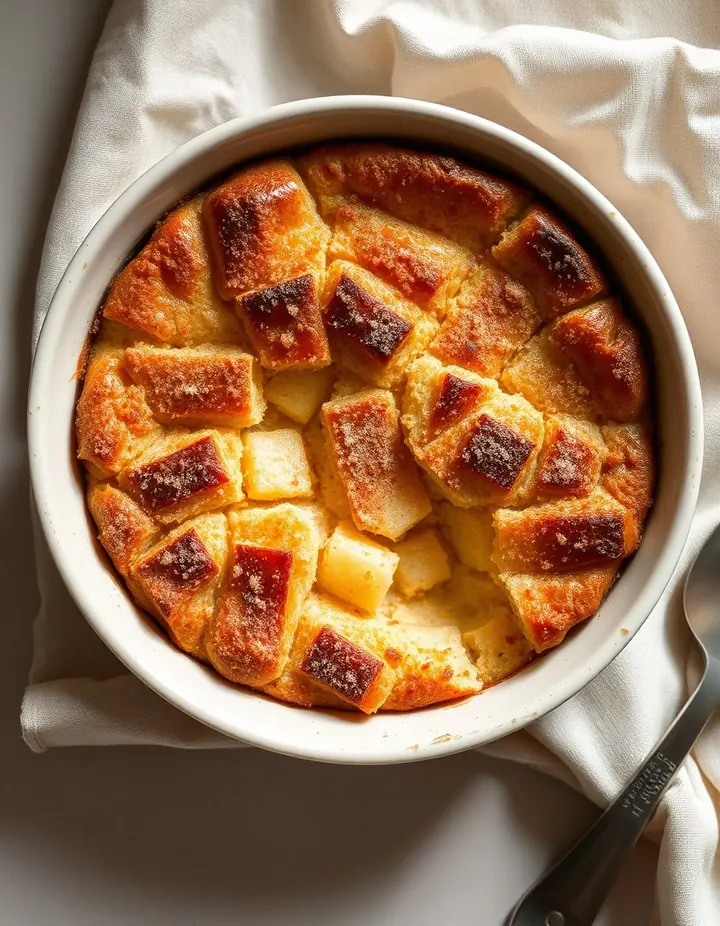 Bread Pudding336 recipes
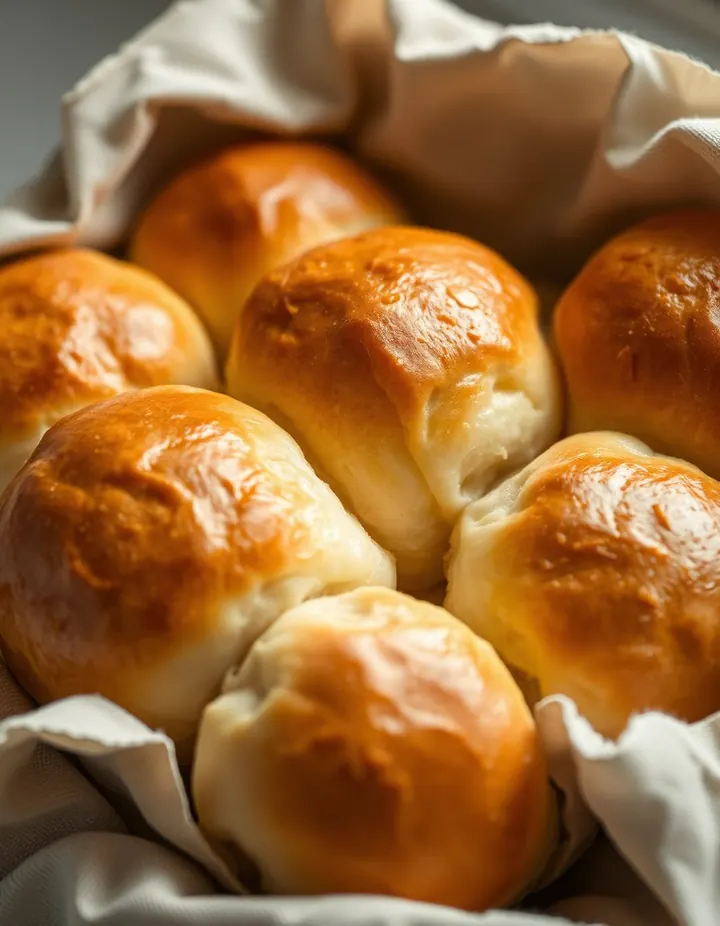 Milk Bread Rolls242 recipes
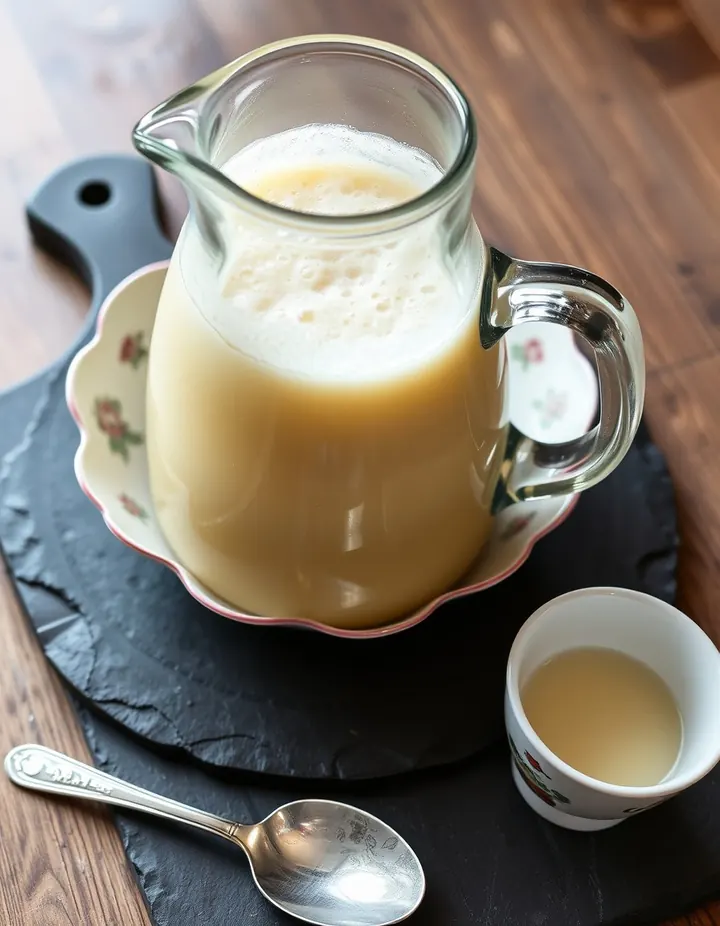 Potato Bread124 recipes
The free Flavor Lab newsletter: one surprising pairing a week and the molecular reason it works, in 60 seconds. No spam, unsubscribe anytime.
Prefer an account? Create a free account to save pairings and unlock the full chemistry.