Why it works: Celery and carrot match in chemistry and in kitchens. They rank in the top 1% of all ingredient pairs, and 10,173 recipes mention both. Both carry myristicin, which smells spice, warm. The science ↓
Redsnapper with Tomato Sauce
Ingredients
Directions
Prepare the fish
Scale the red snapper thoroughly.
Season it inside and out with coarse sea salt and black pepper.
Wrap it in a clean cloth and place it on ice overnight.
Poach the fish
In a pot, bring 1 quart of water to a boil.
Add the chopped celery or parsley root, onions, and carrots.
Carefully place the fish in the boiling water, ensuring it is almost covered.
Add a lump of fresh butter and the tomatoes.
Boil the fish for 30 minutes, turning it occasionally.
Check for doneness by pulling on the fins; if they come out easily, the fish is done.
Remove the fish carefully and place it on a large platter.
Make the sauce and serve
Strain the sauce and return it to the pot.
In a small bowl, dissolve 1 teaspoon of flour in 1 cup of sweet cream.
Add the mixture to the sauce.
Let it boil.
Garnish the fish with chopped parsley and pour some over the sauce.
Optionally, thicken the sauce with the yolks of 2-3 eggs instead of cream.
Transcribed from a scanned cookbook and modernised for today's kitchens. Where the book gave no heat or time, or said "a moderate oven", the temperatures and times here may be modern equivalents rather than the book's own figures.
Explore the science
The flavor team
The pairs that carry this dish. Each one is judged two ways: how much aroma chemistry they share, and how many recipes mention both.
-
Celery + carrottop 1% of all pairsAroma overlapstrongMentioned together10,173 recipes
Shared aroma: myristicin (spice, warm).
-
Celery + tomatotop 4% of all pairsAroma overlapmoderateMentioned together3,377 recipes
Shared aroma: 4'-methylacetophenone (bitter almond).
-
Pepper + celerytop 5% of all pairsAroma overlapstrongMentioned together16,012 recipes
Shared aroma: 4'-methylacetophenone (bitter almond).
-
Pepper + carrottop 6% of all pairsAroma overlapstrongMentioned together14,555 recipes
Shared aroma: 2-isopropyl-3-methoxypyrazine (earthy, pea).
-
Carrot + tomatotop 6% of all pairsAroma overlapstrongMentioned together3,606 recipes
Shared aroma: 2-isopropyl-3-methoxypyrazine (earthy, pea).
Ranks compare each pair with 20,000 random ingredient pairs on CompKitchen. How we score pairs
What each ingredient does
- Red snapper
- Is the main protein that cooks through gently in the simmering liquid.
- Tomatoes
- Add acidity and flavour, giving the sauce its colour and body.
- Sweet cream
- Adds richness and fat, softening the sauce's flavour and texture.
- Flour
- Thickens the cream so the sauce becomes smooth and lightly body-rich.
- Onions
- Add sweetness and aroma to the poaching liquid.
- Butter
- Adds fat and a rounded, savoury richness to the sauce.
The step that matters
Boiling the fish for 30 minutes. Boiling too long toughens the flesh, while too short leaves it undercooked near the bone. Keeping the water at a steady simmer and checking the fins helps the fish cook evenly.
Flavor stand-ins for the onion
How well each one fits the dish's main ingredients (snapper, pepper, celery, carrot, butter, tomato, cream):
- Capsicumbetter flavor fit
- Potatoabout as good a flavor fit
- Onionthe original
- Spinachabout as good a flavor fit
Fit is the average pairing score against snapper, pepper, celery, carrot, butter, tomato, cream. Candidates are from the same food group and used in at least 100 recipes. This compares flavor only: it does not check the job the ingredient does in the dish (bulk, moisture, acidity, structure).
“What each ingredient does” and “The step that matters” were written by Claude from this recipe’s own method and reviewed in samples by CompKitchen.
You might also like
 Tomato Soup526 recipes
 Carrot Soup134 recipes
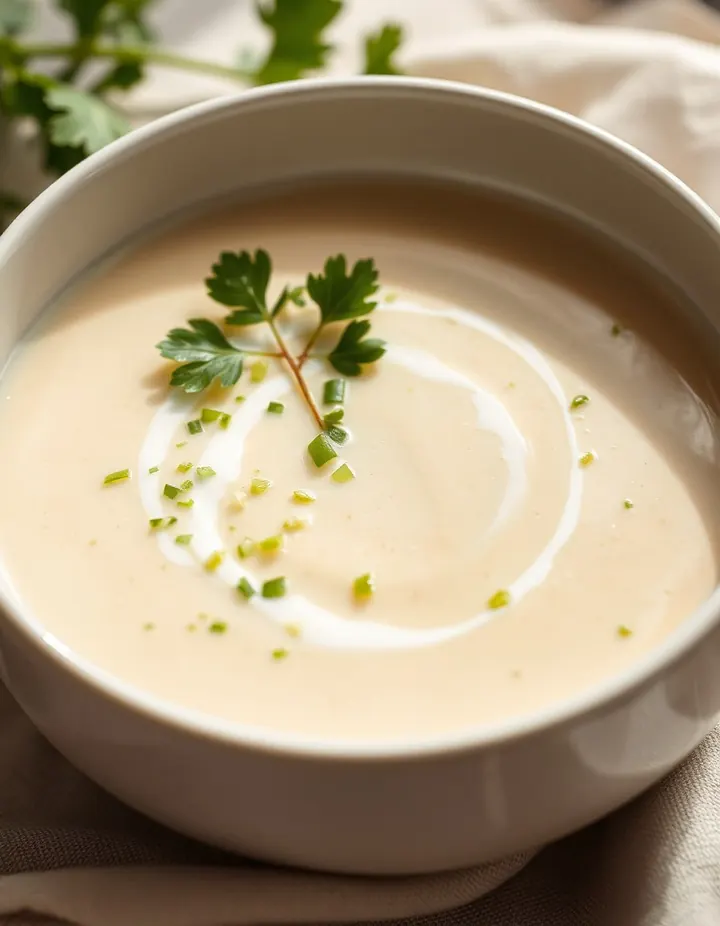 Cream of Celery Soup113 recipes
 Cream of Tomato Soup107 recipes
The Sunday pairing: one pairing, the chemistry behind it, and how to cook it. No spam, unsubscribe anytime.
Prefer an account? Create a free account for sign-in; Pro adds the full results and chemistry.