Why it works: Mustard and tarragon match in chemistry and in kitchens. They rank in the top 1% of all ingredient pairs, and cooks put them together in 901 recipes. Both carry methyleugenol, which smells clove, spice. The science ↓
Mustard
Ingredients
Directions
Make the mustard
In a bowl, mix mustard flour with cold water and salt to form a thick cream.
In a saucepan, combine tarragon and cider vinegars and bring to a boil.
Pour the hot vinegar mixture into the mustard cream and stir until thickened.
Simmer the mixture for a few minutes, adding white wine, celery seeds, whole spices, crushed garlic, and sugar.
Cool and serve
Allow to cool before serving.
Transcribed from a scanned cookbook and modernised for today's kitchens. Where the book gave no heat or time, or said "a moderate oven", the temperatures and times here may be modern equivalents rather than the book's own figures.
Explore the science
The flavor team
The pairs that carry this dish. Each one is judged two ways: how much their aromas overlap, and how often cooks already put them together.
-
Mustard + tarragontop 1% of all pairsSmell alikestrongCooked together901 recipes
Shared aroma: methyleugenol (clove, spice).
-
Tarragon + celerytop 1% of all pairsSmell alikestrongCooked together456 recipes
Shared aroma: beta-phellandrene (minty, terpene).
-
Mustard + celerytop 2% of all pairsSmell alikemoderateCooked together4,169 recipes
Shared aroma: guaiacol (smoky, sweet).
-
Tarragon + clovetop 6% of all pairsSmell alikestrongCooked together548 recipes
Shared aroma: ethyl cinnamate (sweet, balsamic).
-
Celery + clovetop 6% of all pairsSmell alikestrongCooked together4,668 recipes
Shared aroma: gamma-decalactone (peach, creamy).
Ranks compare each pair with 20,000 random ingredient pairs on CompKitchen. How we score pairs
What each ingredient does
- Mustard flour
- Forms the bulk of the paste and provides the mustard's pungent flavor and thick body.
- Cider vinegar
- Adds acidity that sharpens the flavor and balances the heat of the mustard.
- Tarragon vinegar
- Contributes acidity and a distinct herbal aroma to the mustard.
- White wine
- Adds acidity and a mellow fruity note as the mixture simmers.
The step that matters
Pour the hot vinegar mixture into the mustard cream and stir until thickened. Mustard's pungent compounds develop when the flour is moistened and then hydrated, and heat and acid set the thickened texture. Adding the vinegar too early or without stirring can cause lumps or flatten the heat, so the paste thickens unevenly.
Swap the clove
How well each one fits the dish's main ingredients (mustard, flour, tarragon, vinegar, cider, white wine, celery):
- Fennelfits better
- Thymefits better
- Capersfits better
- Clovethe original
Fit is the average pairing score against mustard, flour, tarragon, vinegar, cider, white wine, celery. Candidates are from the same food group and used in at least 100 recipes.
“What each ingredient does” and “The step that matters” were written by Claude from this recipe’s own method and reviewed in samples by CompKitchen.
More mustard recipes
You might also like
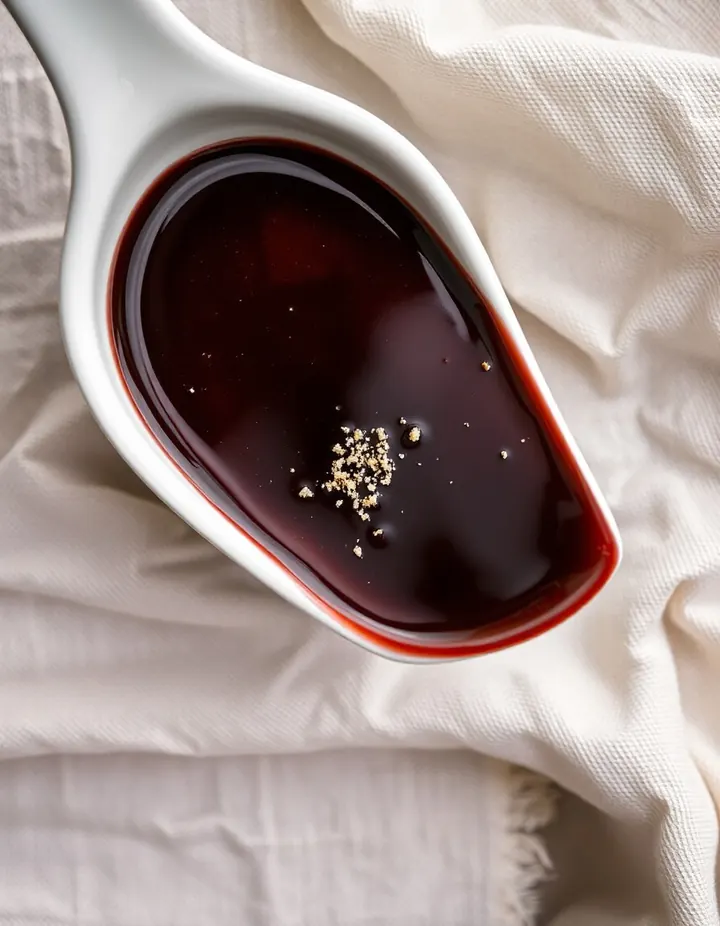 Wine Sauce (for stewed fruit)186 recipes
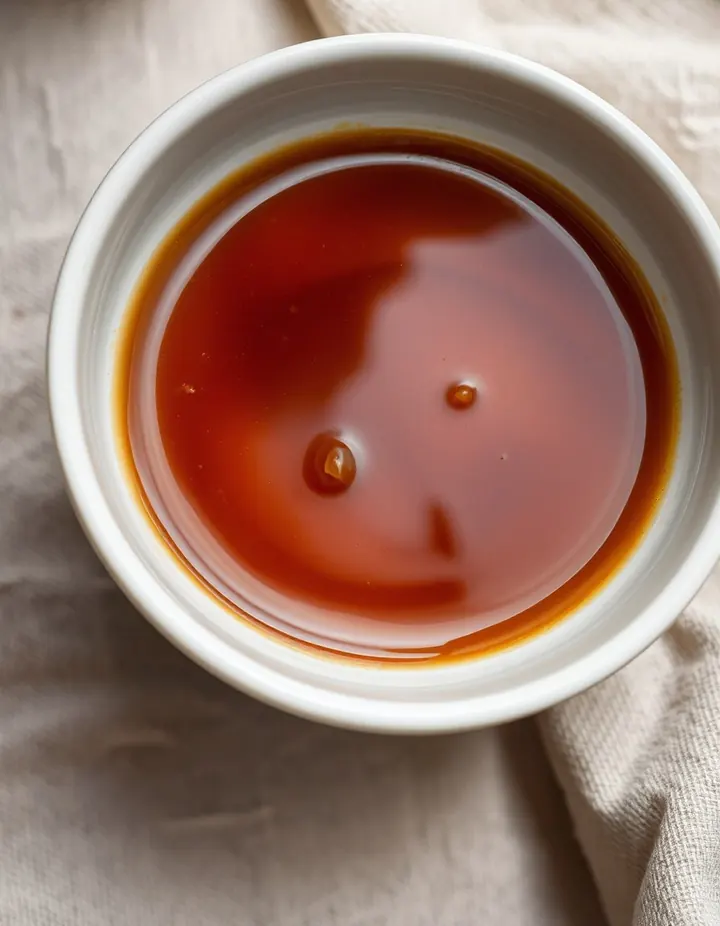 Cider Sauce15 recipes
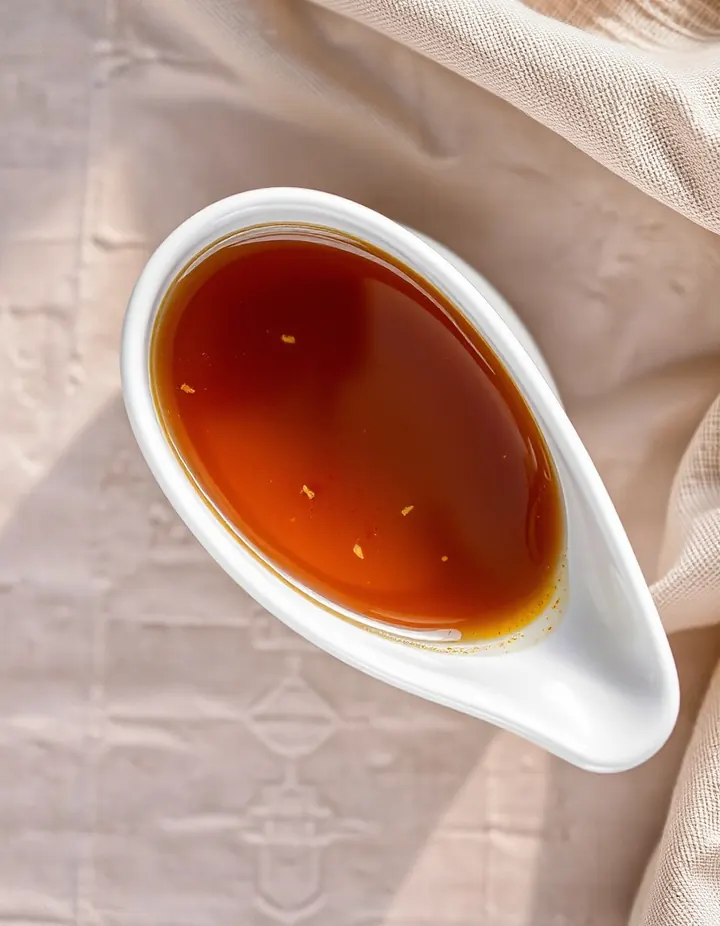 Wine Sauce for Sweet Puddings6 recipes
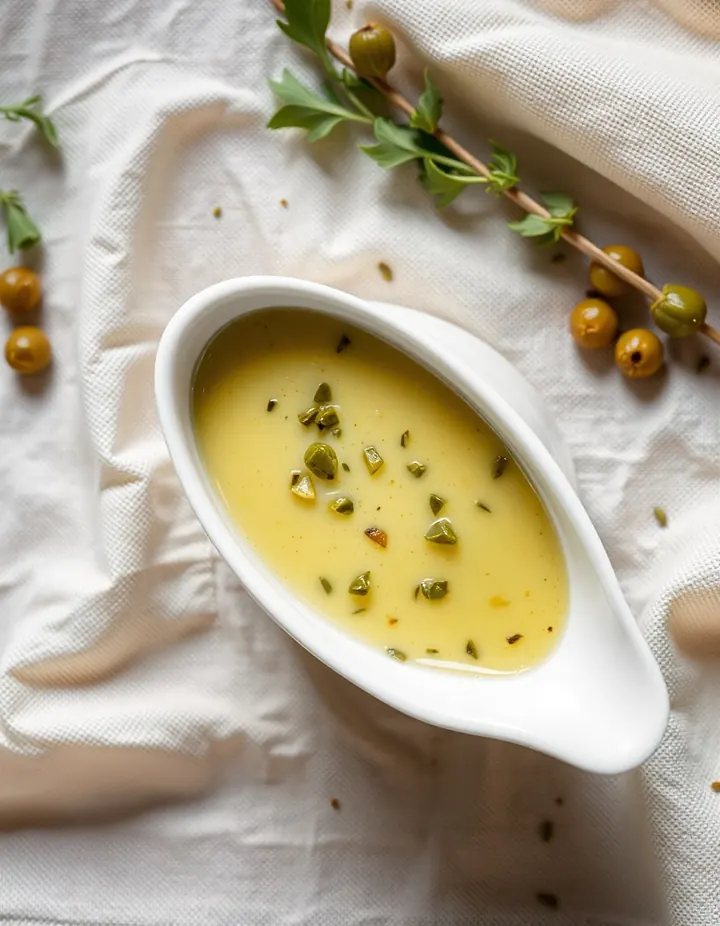 Caper Sauce180 recipes
The free Flavor Lab newsletter: one surprising pairing a week and the molecular reason it works, in 60 seconds. No spam, unsubscribe anytime.
Prefer an account? Create a free account to save pairings and unlock the full chemistry.