Why it works: Butter and bread are a kitchen classic. They rank in the top 7% of all ingredient pairs, and cooks put them together in 27,232 recipes. Both carry delta-decalactone, which smells sweet, creamy. The science ↓
Rolled Beefsteak
Ingredients
Directions
Prepare the steak
Flatten the sirloin steak with the broad side of a hatchet.
Fry the sliced onion in butter until golden.
Remove the fried onion with a skimmer.
Add the steak to the pan.
Fry the steak quickly on both sides until browned.
Chop the fried onion.
Mix the chopped onion with bread crumbs, minced herbs, and chopped mushrooms.
Spread the mixture over the steak.
Roll the steak up tightly.
Secure the roll with kitchen twine and skewers.
Simmer and make the gravy
Place the roll in a saucepan with cold water and cover tightly.
Simmer on low heat for two hours, turning occasionally.
Transfer the meat to a hot dish.
Strain the gravy.
Add hot water to the gravy if needed.
Thicken the gravy with browned flour.
Stir in minced mushrooms, catsup, and butter.
Boil the mixture for three minutes.
Remove the twine and skewers from the steak.
Pour the gravy over the steak.
Transcribed from a scanned cookbook and modernised for today's kitchens. Where the book gave no heat or time, or said "a moderate oven", the temperatures and times here may be modern equivalents rather than the book's own figures.
Explore the science
The flavor team
The pairs that carry this dish. Each one is judged two ways: how much their aromas overlap, and how often cooks already put them together.
-
Butter + breadtop 7% of all pairsSmell alikemoderateCooked together27,232 recipes
Shared aroma: delta-decalactone (sweet, creamy).
-
Butter + mushroomtop 7% of all pairsSmell alikemoderateCooked together12,525 recipes
Shared aroma: trans-2-decenal (waxy, orange).
-
Bread + mushroomtop 10% of all pairsSmell alikemoderateCooked together2,536 recipes
Shared aroma: 2-nonenal (fatty, green).
-
Onion + mushroomtop 10% of all pairsSmell alikemoderateCooked together10,626 recipes
Shared aroma: 2,4-decadienal (seaweed).
-
Butter + flourtop 12% of all pairsSmell alikelowCooked together124,287 recipes
Shared aroma: isobutyraldehyde (malty, green).
Butter and flour barely smell alike, yet cooks put them together in 124,287 recipes: they work on texture and structure more than aroma.
Ranks compare each pair with 20,000 random ingredient pairs on CompKitchen. How we score pairs
What each ingredient does
- Sirloin steak
- Forms the main meat that is rolled around the stuffing and becomes tender during slow simmering.
- Bread crumbs
- Absorb juices and give the stuffing body so it holds together inside the roll.
- Butter
- Adds richness and helps brown the onion and steak during frying.
- Browned flour
- Thickens the strained liquid into a gravy with a deeper color and flavor.
- Onion
- Adds sweetness and savory depth to the stuffing once fried and chopped.
- Catsup
- Adds sweetness and acidity to the finished gravy.
The step that matters
Frying the steak quickly on both sides until browned. Searing builds browned flavor on the surface through the Maillard reaction. Frying too long before rolling can toughen or dry the meat, and the roll must hold its shape during the long simmer.
Swap the onion
How well each one fits the dish's main ingredients (butter, bread, mushroom, flour):
- Shallotfits better
- Chivefits better
- Leekfits better
- Onionthe original
Fit is the average pairing score against butter, bread, mushroom, flour. Candidates are from the same food group and used in at least 100 recipes.
“What each ingredient does” and “The step that matters” were written by Claude from this recipe’s own method and reviewed in samples by CompKitchen.
You might also like
 Brown Bread461 recipes
 White Bread80 recipes
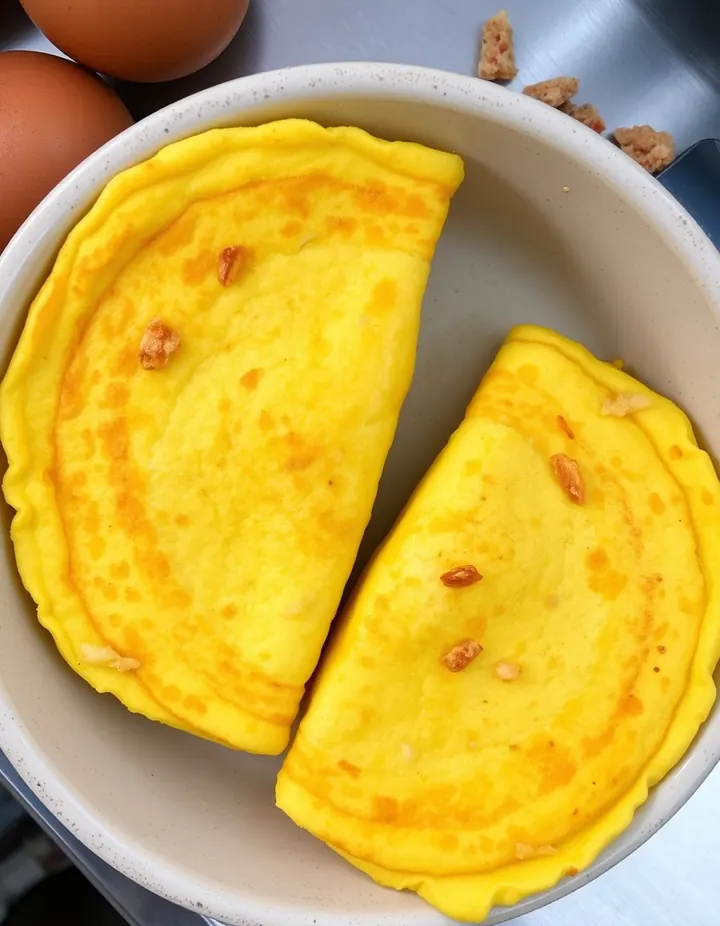 Bread Omelette60 recipes
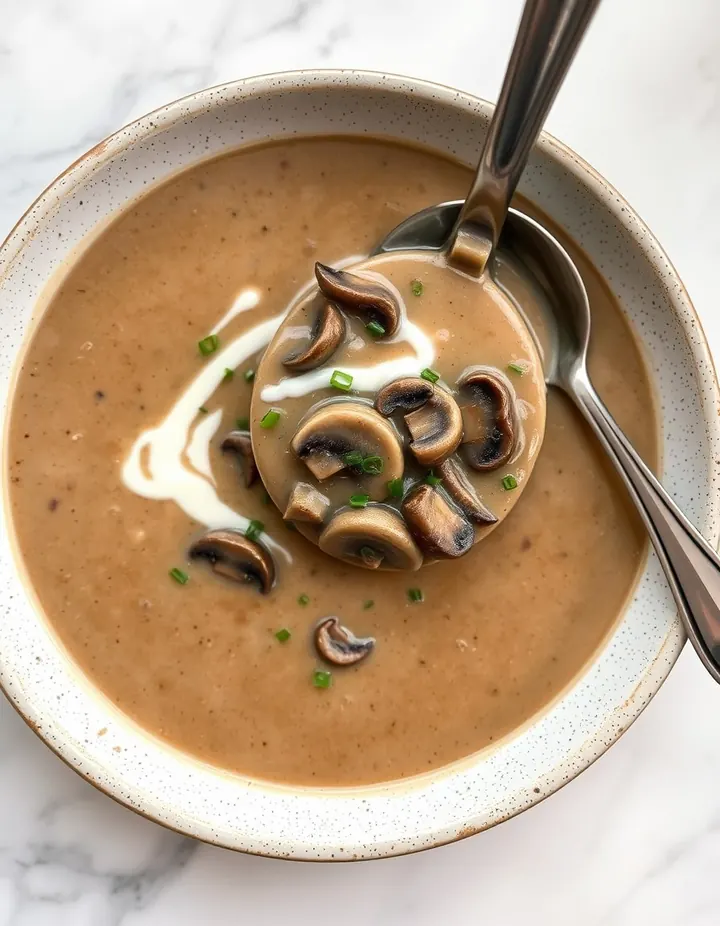 Mushroom Soup60 recipes
The free Flavor Lab newsletter: one surprising pairing a week and the molecular reason it works, in 60 seconds. No spam, unsubscribe anytime.
Prefer an account? Create a free account to save pairings and unlock the full chemistry.