Why it works: Mushroom and butter are a kitchen classic. They rank in the top 7% of all ingredient pairs, and cooks put them together in 12,525 recipes. Both carry trans-2-decenal, which smells waxy, orange. The science ↓
Mock Pigeons with Mushroom Sauce
Ingredients
Directions
The book gives no oven temperature. The 400°F (200°C) in the steps was added when the recipe was transcribed, as a starting point.
Prepare the veal
Sprinkle the veal fillets with pepper.
Spread the force-meat mixture over the fillets.
Roll the fillets tightly.
Tie the rolled fillets with kitchen twine.
Bake the fillets
Place the fillets in a dripping pan with enough water to half cover them.
Invert another pan over the fillets.
Bake the fillets at 400°F (200°C) for 45 minutes to 1 hour, depending on size.
Baste the fillets four times with butter while baking.
Once tender, remove the twine and keep the fillets warm on a hot dish.
Make the sweetbread sauce
Blanch the sweetbread by dropping it into cold water.
Cut the blanched sweetbread into dice.
Simmer the sweetbread in a cup of oyster liquor with 1 tablespoon of butter for 15 minutes.
Add the gravy from the dripping pan to the sweetbread.
Thicken the sweetbread with browned flour.
Boil the sweetbread once.
Stir in the chopped oysters and mushrooms.
Stew the mixture for 5 minutes.
Pour some sauce over the fillets.
Serve the rest in a sauceboat.
Transcribed from a scanned cookbook and modernised for today's kitchens. Where the book gave no heat or time, or said "a moderate oven", the temperatures and times here may be modern equivalents rather than the book's own figures.
Explore the science
The flavor team
The pairs that carry this dish. Each one is judged two ways: how much their aromas overlap, and how often cooks already put them together.
-
Mushroom + buttertop 7% of all pairsSmell alikemoderateCooked together12,525 recipes
Shared aroma: trans-2-decenal (waxy, orange).
-
Pork + mushroomtop 8% of all pairsSmell alikemoderateCooked together3,875 recipes
Shared aroma: 2-methoxy-4-propylphenol (allspice, anise).
-
Mushroom + oniontop 10% of all pairsSmell alikemoderateCooked together10,626 recipes
Shared aroma: 2,4-decadienal (seaweed).
-
Pork + oniontop 10% of all pairsSmell alikemoderateCooked together18,214 recipes
Shared aroma: 2-isopropyl-3-methoxypyrazine (earthy, pea).
-
Veal + porktop 11% of all pairsSmell alikemoderateCooked together4,930 recipes
Shared aroma: 4-heptenal (creamy, biscuit).
Ranks compare each pair with 20,000 random ingredient pairs on CompKitchen. How we score pairs
What each ingredient does
- Veal fillets
- Form the main body of the dish, cooked rolled and tender after baking.
- Breadcrumbs
- Bind the force-meat stuffing and help it hold together inside the roll.
- Sweetbread
- Adds a tender, rich texture to the sauce once simmered and diced.
- Oysters
- Contribute a briny flavor to the sauce when stirred in near the end.
- Butter
- Adds richness and helps the fillets brown while basting.
- Browned flour
- Thickens the sauce so it clings to the fillets and the sweetbread.
The step that matters
Once the sauce is thickened, boil only once and keep it gentle. Thickened flour sauces can turn thin or lumpy if boiled hard or too long, and oysters toughen with prolonged heat, so a brief stew is kept gentle.
Swap the onion
How well each one fits the dish's main ingredients (veal, pork, mushroom, oyster, pepper, butter, flour):
- Shallotfits better
- Potatofits better
- Capsicumfits better
- Onionthe original
Fit is the average pairing score against veal, pork, mushroom, oyster, pepper, butter, flour. Candidates are from the same food group and used in at least 100 recipes.
“What each ingredient does” and “The step that matters” were written by Claude from this recipe’s own method and reviewed in samples by CompKitchen.
You might also like
 Pork Cake107 recipes
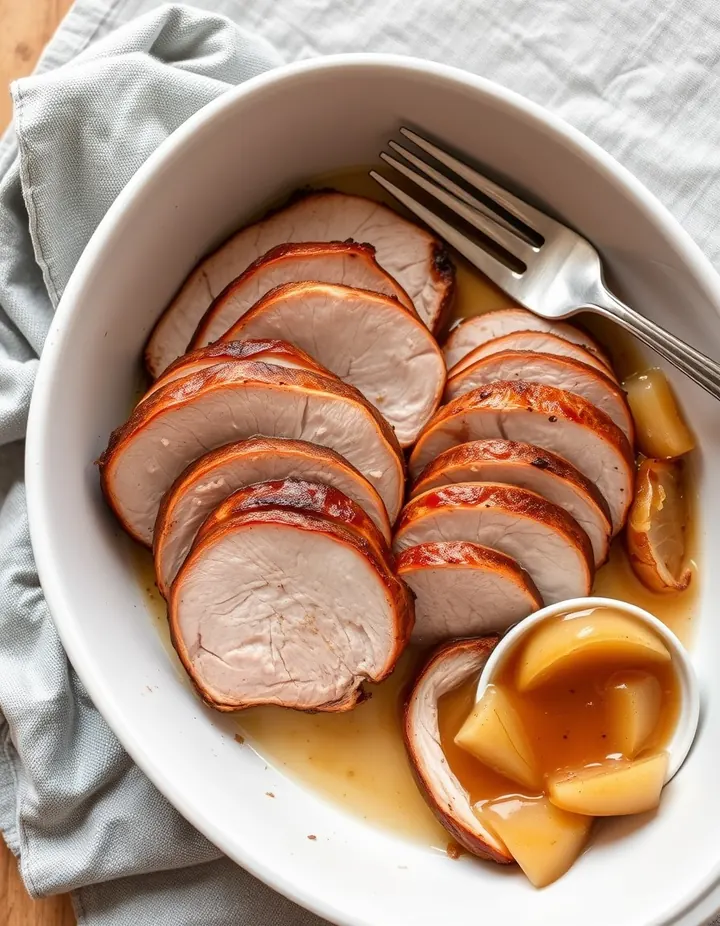 Roast Pork82 recipes
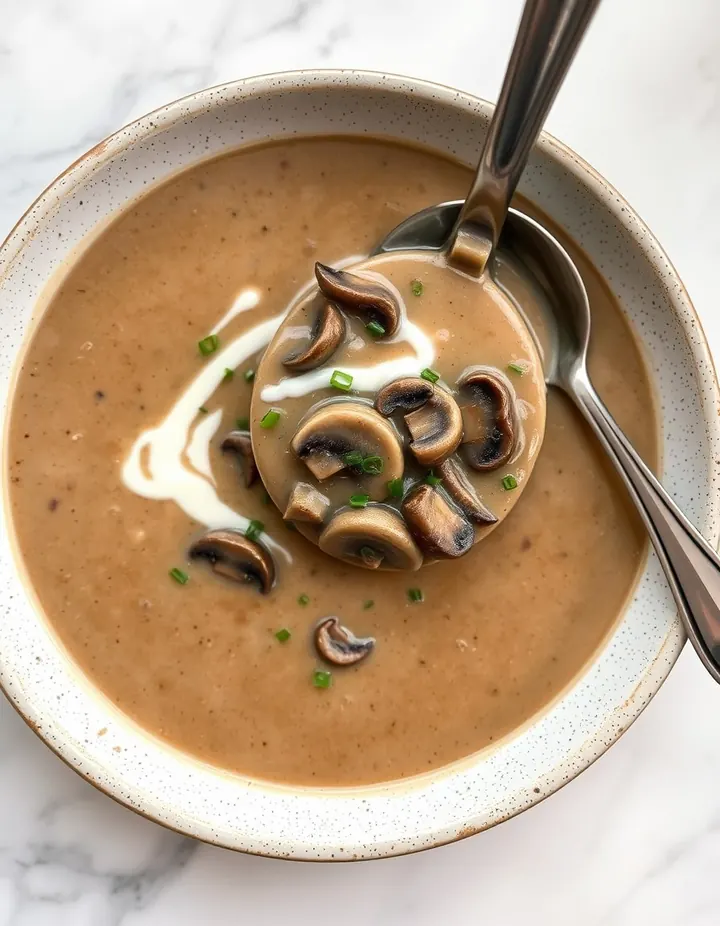 Mushroom Soup60 recipes
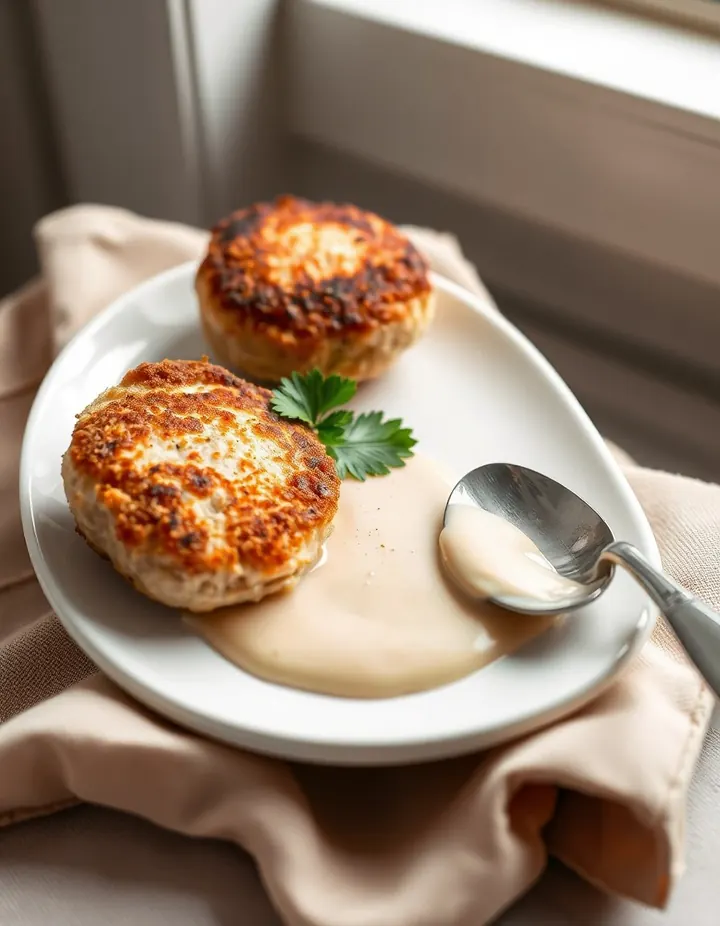 Veal Patties50 recipes
The free Flavor Lab newsletter: one surprising pairing a week and the molecular reason it works, in 60 seconds. No spam, unsubscribe anytime.
Prefer an account? Create a free account to save pairings and unlock the full chemistry.