Why it works: Rye and sugar work together. They rank in the top 25% of all ingredient pairs, and cooks put them together in 535 recipes. Both carry 1-penten-3-one, which smells fish, pungent. The science ↓
Cider Vinegar
Ingredients
Directions
Start the vinegar
Mix 6 quarts of rye meal into a barrel of strong hard cider.
Add 1 gallon of whiskey and cover the cask loosely.
Place the cask in a sunny, airy spot for 4 weeks.
Draw off and replenish
When drawing off vinegar, replenish with the same amount of cider and add 1 pint of whiskey.
Variations
For a stronger vinegar, mix cider with 1 pound of strained honey per gallon and let it stand for 5-6 months.
For white vinegar, mix 5 gallons of water, 2 gallons of whiskey, and 1 quart of strong yeast, stirring in 2 pounds of powdered charcoal.
Leave the bung loose during fermentation for 4 months, then draw off the vinegar.
Transcribed from a scanned cookbook and modernised for today's kitchens. Where the book gave no heat or time, or said "a moderate oven", the temperatures and times here may be modern equivalents rather than the book's own figures.
Explore the science
The flavor team
The pairs that carry this dish. Each one is judged two ways: how much their aromas overlap, and how often cooks already put them together.
-
Rye + sugartop 25% of all pairsSmell alikemoderateCooked together535 recipes
Shared aroma: 1-penten-3-one (fish, pungent).
-
Rye + cidertop 26% of all pairsSmell alikemoderateCooked together22 recipes
Shared aroma: ethyl 2-methylbutyrate (fruity, apple).
-
Cider + sugartop 27% of all pairsSmell alikelowCooked together3,308 recipes
Shared aroma: ethanol (alcoholic, ethereal).
Ranks compare each pair with 20,000 random ingredient pairs on CompKitchen. How we score pairs
What each ingredient does
- Cider
- Supplies the sugars and alcohol that acetic acid bacteria convert into vinegar.
- Whiskey
- Adds alcohol that feeds the fermentation into acetic acid.
- Rye meal
- Provides starches and nutrients that support the fermentation.
- Strong yeast
- Starts alcoholic fermentation in the white vinegar mixture.
The step that matters
Leave the cask loosely covered in a sunny, airy spot. Vinegar forms through acetic acid bacteria, which need oxygen to turn alcohol into acetic acid. A tightly sealed cask blocks air and stalls the process, while a loose cover lets air in.
“What each ingredient does” and “The step that matters” were written by Claude from this recipe’s own method and reviewed in samples by CompKitchen.
More cider vinegar recipes
You might also like
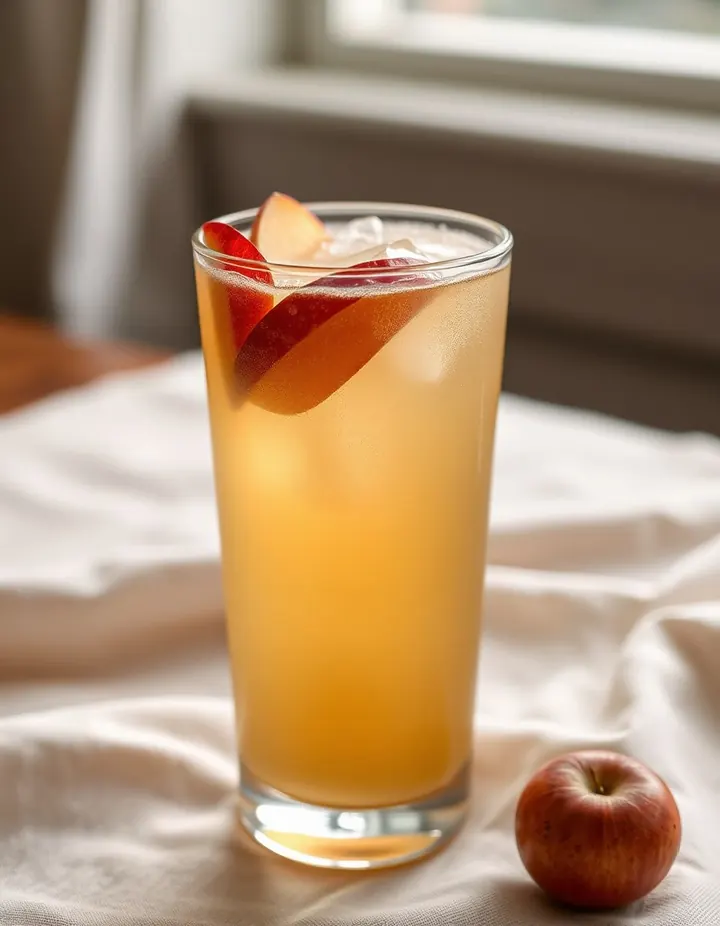 Apple Cider11 recipes
 Vegetable Soup350 recipes
 Raspberry Vinegar214 recipes
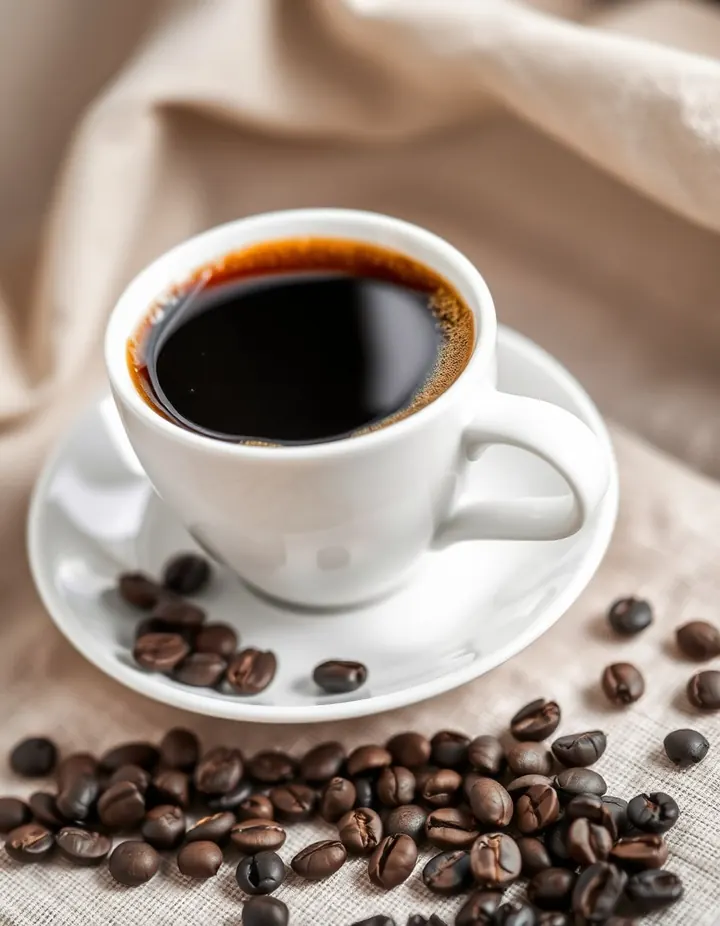 Brown Coffee with Egg175 recipes
The free Flavor Lab newsletter: one surprising pairing a week and the molecular reason it works, in 60 seconds. No spam, unsubscribe anytime.
Prefer an account? Create a free account to save pairings and unlock the full chemistry.