Why it works: Orange and lemon match in chemistry and in kitchens. They rank in the top 1% of all ingredient pairs, and cooks put them together in 10,634 recipes. Both carry 3-hexenal, which smells apple, fruity. The science ↓
New Beets with Orange Dressing
Ingredients
Directions
Prepare the beets
Boil the beets in salted water until tender, then slice them thin.
Sprinkle the sliced beets with sugar.
Dress and serve
When the beets are cool, add the juices of the oranges and lemon.
Toss to combine and serve.
Transcribed from a scanned cookbook and modernised for today's kitchens. Where the book gave no heat or time, or said "a moderate oven", the temperatures and times here may be modern equivalents rather than the book's own figures.
Explore the science
The flavor team
The pairs that carry this dish. Each one is judged two ways: how much their aromas overlap, and how often cooks already put them together.
-
Orange + lemontop 1% of all pairsSmell alikestrongCooked together10,634 recipes
Shared aroma: 3-hexenal (apple, fruity).
-
Sugar + lemontop 18% of all pairsSmell alikelowCooked together53,532 recipes
Shared aroma: 2-nonenal (fatty, green).
-
Orange + sugartop 20% of all pairsSmell alikelowCooked together19,212 recipes
Shared aroma: beta-damascenone (apple, rose).
Sugar and lemon barely smell alike, yet cooks put them together in 53,532 recipes: they work on texture and structure more than aroma.
Ranks compare each pair with 20,000 random ingredient pairs on CompKitchen. How we score pairs
What each ingredient does
- Beets
- Provide the main body, earthy flavor and a firm, tender texture once cooked.
- Oranges
- Add juice for moisture, sweetness and a bright fruity aroma.
- Sugar
- Adds sweetness that balances the sharpness of the citrus juices.
- Lemon
- Adds acidity that brightens the flavor and cuts the sweetness.
The step that matters
Cool the beets before adding the juices. Hot beets soften and lose their color more easily. Letting them cool first keeps the slices firmer and helps them hold their deep color when the acidic citrus juice is added.
“What each ingredient does” and “The step that matters” were written by Claude from this recipe’s own method and reviewed in samples by CompKitchen.
You might also like
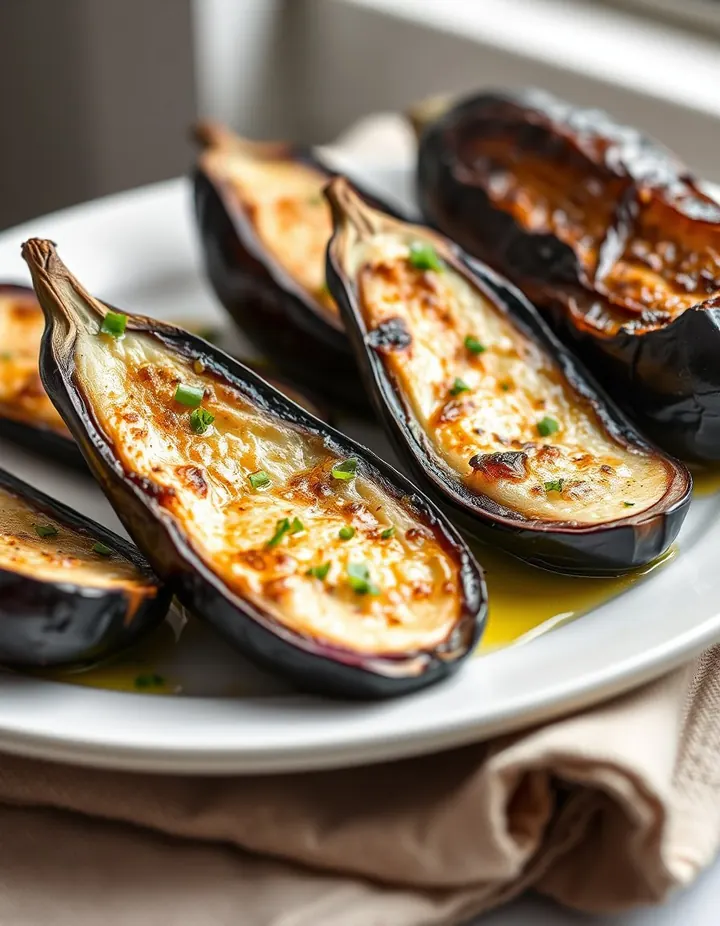 Eggplant Cakes34 recipes
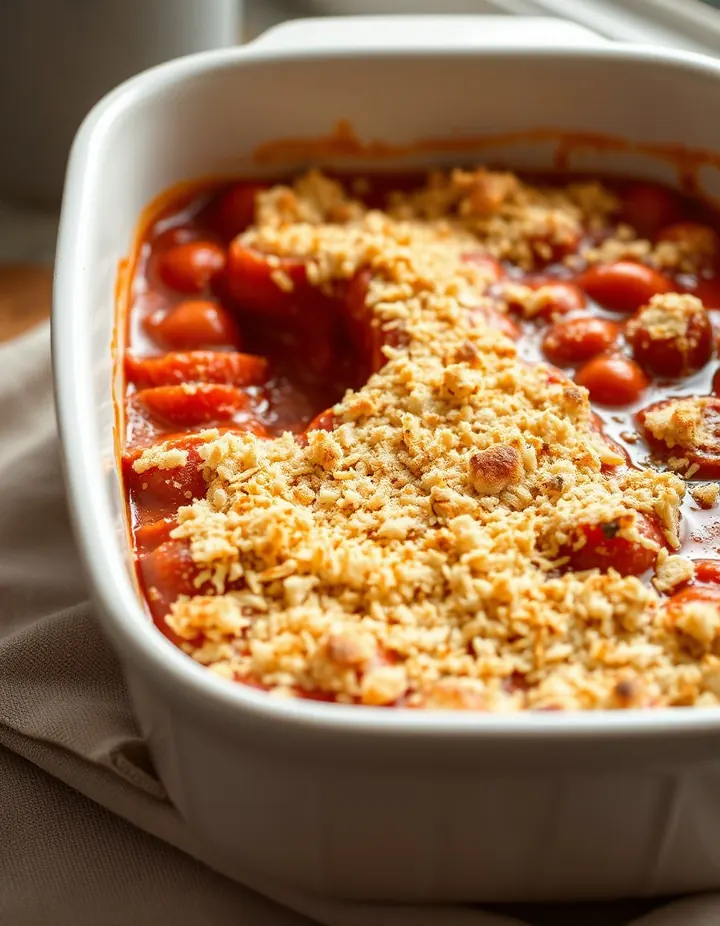 Escalloped Tomatoes (Scalloped Tomatoes)25 recipes
 Parsnip Croquettes12 recipes
 Onion Pudding9 recipes
The free Flavor Lab newsletter: one surprising pairing a week and the molecular reason it works, in 60 seconds. No spam, unsubscribe anytime.
Prefer an account? Create a free account to save pairings and unlock the full chemistry.