Why it works: Horseradish and mustard match in chemistry and in kitchens. They rank in the top 1% of all ingredient pairs, and cooks put them together in 1,832 recipes. Both carry coumarin, which smells sweet, hay. The science ↓
Oil Mangoes
Ingredients
Directions
Prepare the melons
Cut a slit in each melon from the stem to the blossom and remove the seeds.
Fill the melons with coarse sea salt and let them sit for two weeks, turning them frequently.
Wash the melons in cold water two to three times to remove all salt.
Spread the melons on dishes to dry.
Make the stuffing
Wash the ginger in boiling water until soft, then slice it thin.
Mix the ginger, horseradish, onions, mustard seed, mace, nutmeg, turmeric, and black pepper into a paste with the dry mustard and olive oil.
Stuff each melon with a clove of garlic.
Pack and store
Sew the melons closed.
Pack the melons in jars with the caps facing up.
Sprinkle some stuffing over each layer of melons.
Cover with cold vinegar and add more olive oil.
Check periodically and add more vinegar if needed.
Store in a dry place, tightly covered.
Transcribed from a scanned cookbook and modernised for today's kitchens. Where the book gave no heat or time, or said "a moderate oven", the temperatures and times here may be modern equivalents rather than the book's own figures.
Explore the science
The flavor team
The pairs that carry this dish. Each one is judged two ways: how much their aromas overlap, and how often cooks already put them together.
-
Horseradish + mustardtop 1% of all pairsSmell alikestrongCooked together1,832 recipes
Shared aroma: coumarin (sweet, hay).
-
Mace + nutmegtop 4% of all pairsSmell alikemoderateCooked together6,557 recipes
Shared aroma: myristicin (spice, warm).
-
Ginger + nutmegtop 5% of all pairsSmell alikestrongCooked together3,324 recipes
Shared aroma: estragole (anise, licorice).
-
Onion + mustardtop 6% of all pairsSmell alikestrongCooked together9,259 recipes
Shared aroma: 2-isopropyl-3-methoxypyrazine (earthy, pea).
-
Horseradish + oniontop 7% of all pairsSmell alikestrongCooked together1,784 recipes
Shared aroma: coumarin (sweet, hay).
Ranks compare each pair with 20,000 random ingredient pairs on CompKitchen. How we score pairs
What each ingredient does
- Melons
- Form the body of the pickle, absorbing the salt, spices and oil as they cure.
- Coarse sea salt
- Draws water out of the melons, firming them and preparing them to take up flavor.
- White mustard seed
- Adds sharp pungency and body to the stuffing paste.
- Horseradish
- Contributes sharp, pungent heat that mellows during curing.
- Olive oil
- Carries the spices and coats the melons, sealing out air over storage.
- Cold vinegar
- Acidifies the jars, helping preserve the melons and sharpen the flavor.
The step that matters
Salting the melons for two weeks. Salt must fully penetrate and draw out moisture while the melons are turned often; uneven turning leaves soft or unsalted spots that can spoil. Thorough rinsing afterward removes surface salt so the finished pickle is not overly salty.
Swap the mace
How well each one fits the dish's main ingredients (melon, egg, ginger, horseradish, onion, mustard, nutmeg):
- Allspicefits better
- Cinnamonfits better
- Turmericfits better
- Macethe original
Fit is the average pairing score against melon, egg, ginger, horseradish, onion, mustard, nutmeg. Candidates are from the same food group and used in at least 100 recipes.
“What each ingredient does” and “The step that matters” were written by Claude from this recipe’s own method and reviewed in samples by CompKitchen.
You might also like
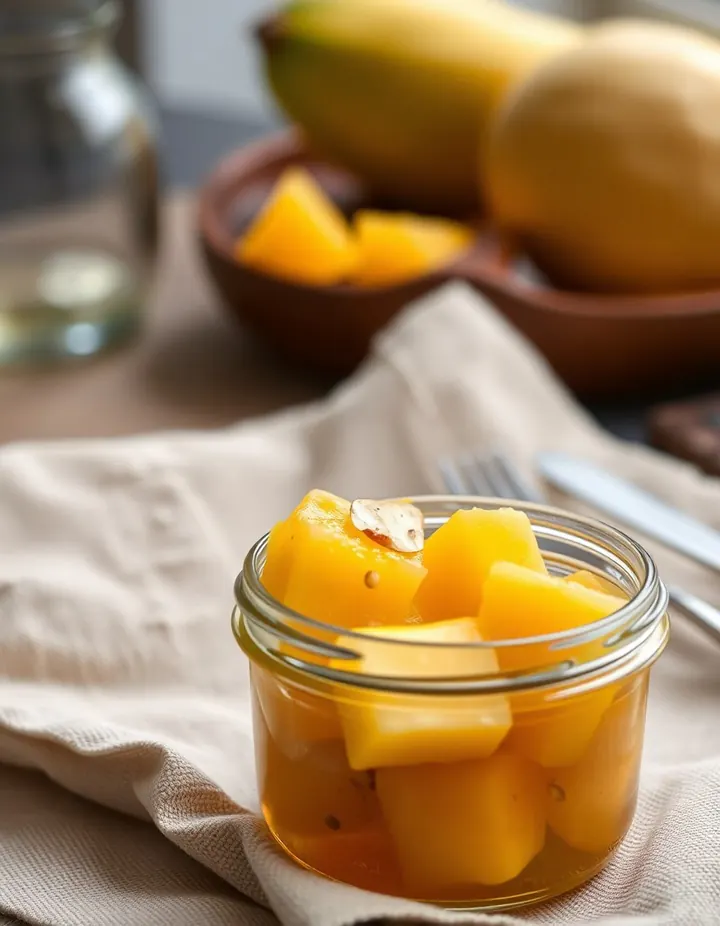 Stuffed Pickled Melons30 recipes
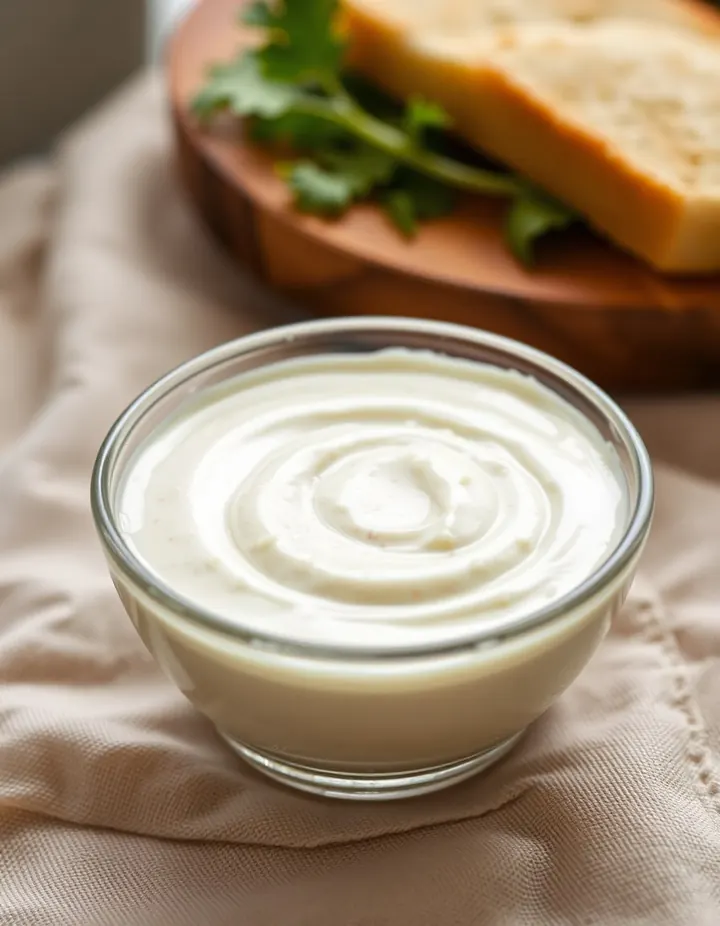 Horseradish Sauce17 recipes
 Tomato Soup526 recipes
 Brown Bread461 recipes
The free Flavor Lab newsletter: one surprising pairing a week and the molecular reason it works, in 60 seconds. No spam, unsubscribe anytime.
Prefer an account? Create a free account to save pairings and unlock the full chemistry.