Why it works: Pepper and parsley match in chemistry and in kitchens. They rank in the top 2% of all ingredient pairs, and cooks put them together in 34,122 recipes. Both carry 4'-methylacetophenone, which smells bitter almond. The science ↓
Loin Op Veal Roasted
Ingredients
Directions
The book says “a hot oven”. The 400°F (200°C) in the steps is the modern equivalent, not the book's own figure.
Prepare
Wash and rub the veal thoroughly with salt and pepper, leaving the kidney in place and surrounding it with plenty of salt.
Let it stand for 2 hours.
Make a dressing by mixing bread crumbs, salt, pepper, chopped parsley or thyme, and enough hot water to moisten.
Add butter or chopped salt pork and 1 egg to the dressing.
Unroll the veal, place the dressing around the kidney, fold it back, and secure it tightly with white cotton twine.
Roast
Place the veal in a roasting pan with the thick side down and bake at 400°F (200°C).
After 30 minutes, add a little hot water to the pan and baste often.
Turn the roast over.
When nearly done, dredge lightly with flour and baste with melted butter.
Make the gravy and serve
Remove the twine before serving.
Skim off excess fat from the drippings.
Dredge flour into the pan.
Stir until browned.
Add hot water if necessary.
Boil for a few moments.
Serve in a gravy boat.
Transcribed from a scanned cookbook and modernised for today's kitchens. Where the book gave no heat or time, or said "a moderate oven", the temperatures and times here may be modern equivalents rather than the book's own figures.
Explore the science
The flavor team
The pairs that carry this dish. Each one is judged two ways: how much their aromas overlap, and how often cooks already put them together.
-
Pepper + parsleytop 2% of all pairsSmell alikestrongCooked together34,122 recipes
Shared aroma: 4'-methylacetophenone (bitter almond).
-
Bread + buttertop 7% of all pairsSmell alikemoderateCooked together27,232 recipes
Shared aroma: delta-decalactone (sweet, creamy).
-
Butter + flourtop 12% of all pairsSmell alikelowCooked together124,287 recipes
Shared aroma: isobutyraldehyde (malty, green).
-
Parsley + flourtop 12% of all pairsSmell alikemoderateCooked together16,675 recipes
Shared aroma: isobutyraldehyde (malty, green).
-
Bread + eggtop 13% of all pairsSmell alikemoderateCooked together22,662 recipes
Shared aroma: (e)-2-octenal (fatty, green).
Butter and flour barely smell alike, yet cooks put them together in 124,287 recipes: they work on texture and structure more than aroma.
Ranks compare each pair with 20,000 random ingredient pairs on CompKitchen. How we score pairs
What each ingredient does
- Veal loin
- Forms the main body of the roast, cooking to tender meat when roasted with moisture.
- Bread crumbs
- Absorb moisture from the hot water and butter to form a soft, moist dressing.
- Egg
- Binds the dressing so it holds together around the kidney while roasting.
- Butter
- Adds fat for richness and helps the surface brown when basted.
- Flour
- Dredged onto the roast and into the pan so the drippings thicken and brown into gravy.
The step that matters
Securing the dressing with twine. The dressing must be wrapped tightly so it stays in place during roasting; loose twine lets the stuffing escape and dry out as the meat cooks.
Swap the parsley
How well each one fits the dish's main ingredients (veal, pepper, bread, butter, egg, flour):
- Parsleythe original
- Nutmegfits about as well
- Sagefits less well
- Capersfits less well
Fit is the average pairing score against veal, pepper, bread, butter, egg, flour. Candidates are from the same food group and used in at least 100 recipes.
“What each ingredient does” and “The step that matters” were written by Claude from this recipe’s own method and reviewed in samples by CompKitchen.
You might also like
 Brown Bread461 recipes
 White Bread80 recipes
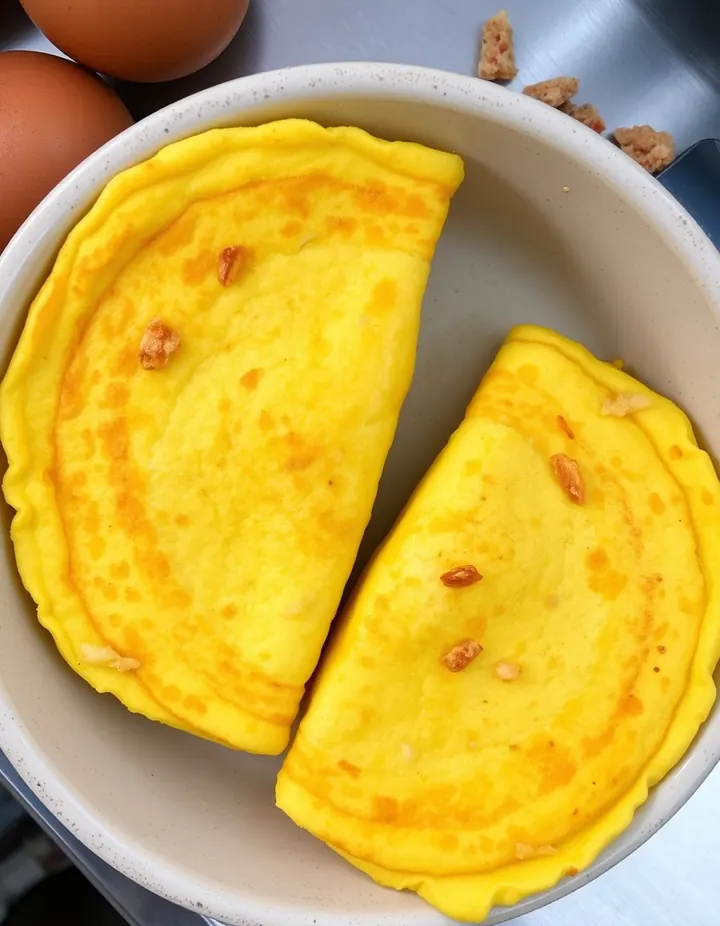 Bread Omelette60 recipes
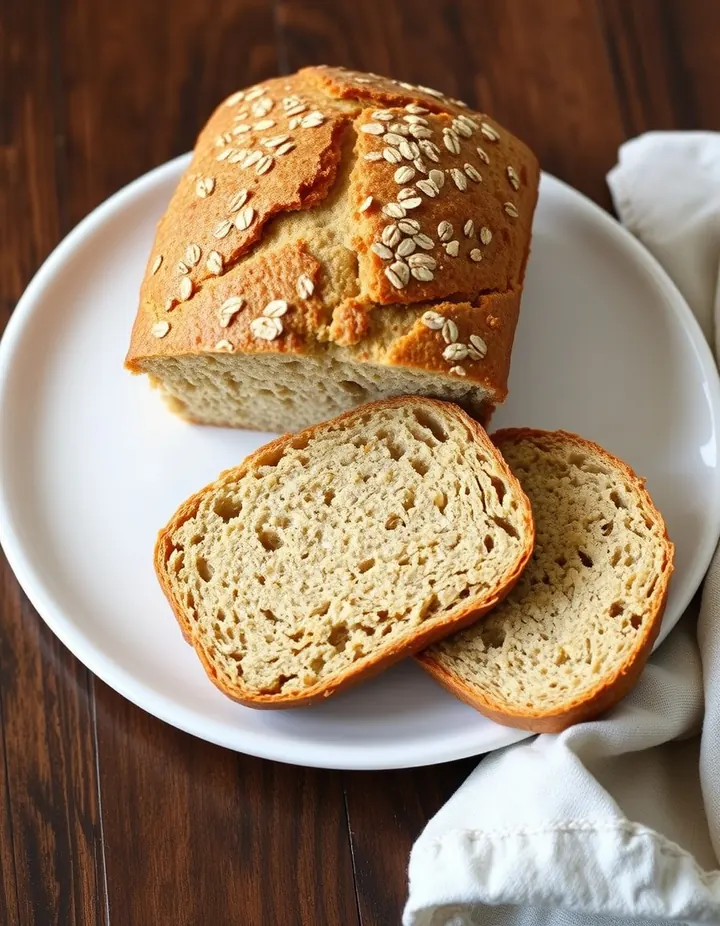 Oatmeal Bread51 recipes
The free Flavor Lab newsletter: one surprising pairing a week and the molecular reason it works, in 60 seconds. No spam, unsubscribe anytime.
Prefer an account? Create a free account to save pairings and unlock the full chemistry.