Why it works: Veal and bread are a kitchen classic. They rank in the top 17% of all ingredient pairs, and cooks put them together in 3,056 recipes. Both carry cis-3-hexenol, which smells green, grassy. The science ↓
White Portable Soup
Ingredients
Directions
Make the stock
Chop the veal and fowls' feet into pieces and wash them well.
Place them in a large iron kettle with 3 gallons of water and stew until the meat is tender.
Cover and continue to stew for 8 hours.
Fill a teacup with the soup and let it cool; if it hardens enough to cut, strain through a sieve to remove fat.
Set and dry the jelly
Pour the clear jelly into cups and place them in a saucepan with boiling water until they are glue-like.
Let them cool, then turn them onto a piece of new flannel to draw out moisture, turning them every 7 hours until very hard.
Store in tin canisters in a dry place.
Serve
To use, cut a piece the size of a walnut, pour 1 pint of boiling water over it, and stir until dissolved; season with salt.
For soup, steep vermicelli in water and boil; then add 1 cup of soup to 1 pint of water, simmer, and serve in a soup tureen with toasted bread and vermicelli.
Transcribed from a scanned cookbook and modernised for today's kitchens. Where the book gave no heat or time, or said "a moderate oven", the temperatures and times here may be modern equivalents rather than the book's own figures.
Explore the science
The flavor team
The pairs that carry this dish. Each one is judged two ways: how much their aromas overlap, and how often cooks already put them together.
-
Veal + breadtop 17% of all pairsSmell alikelowCooked together3,056 recipes
Shared aroma: cis-3-hexenol (green, grassy).
Ranks compare each pair with 20,000 random ingredient pairs on CompKitchen. How we score pairs
What each ingredient does
- Veal
- Breaks down during long stewing to release gelatin, giving the broth body and a jelly-like set.
- Fowls' feet
- Their collagen converts to gelatin during stewing, which thickens the broth and helps it set.
The step that matters
Testing the jelly before straining. The cooled sample must firm enough to cut before straining. If the stock is too weak or not reduced enough, it will not set and the jelly will fail to harden when dried.
“What each ingredient does” and “The step that matters” were written by Claude from this recipe’s own method and reviewed in samples by CompKitchen.
You might also like
 Brown Bread461 recipes
 White Bread80 recipes
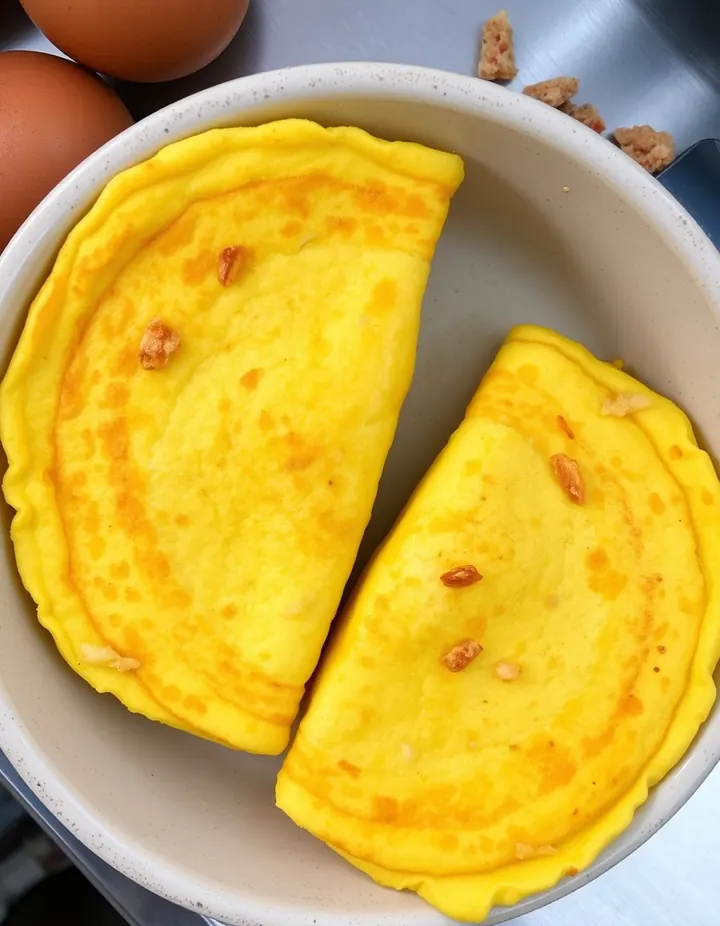 Bread Omelette60 recipes
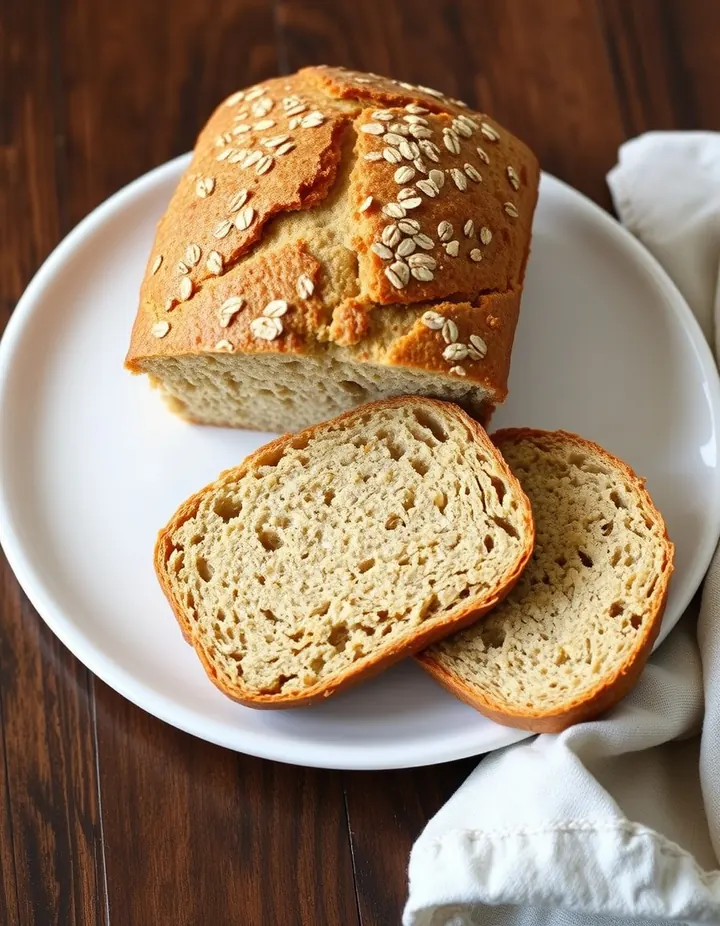 Oatmeal Bread51 recipes
The free Flavor Lab newsletter: one surprising pairing a week and the molecular reason it works, in 60 seconds. No spam, unsubscribe anytime.
Prefer an account? Create a free account to save pairings and unlock the full chemistry.