Why it works: Almond and nutmeg match in chemistry and in kitchens. They rank in the top 4% of all ingredient pairs, and cooks put them together in 2,115 recipes. Both carry eucalyptol, which smells eucalyptus, herbal. The science ↓
Soup Lorraine
Ingredients
Directions
Prepare the base
Pound the almonds in a mortar with a little water to prevent oiling.
Add the breast and legs of the roast fowl and the yolks of the poached eggs.
Beat the mixture into a smooth consistency.
Warm the white stock in a pot.
Stir in the almond and fowl mixture.
Boil over low heat.
Prepare the garnish
Chop the meat from the second fowl into fine pieces.
Season the chopped meat with nutmeg, pepper, salt, and mace.
Melt some butter.
Strain a small quantity of the soup.
Mix the strained soup with one spoonful of butter.
Slice the two French rolls.
Crisp the sliced rolls by the fire.
Scoop out the crumb of the third roll without damaging the crust.
Fill the crumb with the minced fowl.
Close the roll at each end.
Heat the closed roll.
Keep the roll warm.
Finish and serve
Strain the soup into a stewpan.
Simmer until it thickens to a cream-like consistency.
Place the crisped roll slices in the bottom of a tureen.
Pour the soup over the roll slices.
Serve with the filled roll floating in the center.
Transcribed from a scanned cookbook and modernised for today's kitchens. Where the book gave no heat or time, or said "a moderate oven", the temperatures and times here may be modern equivalents rather than the book's own figures.
Explore the science
The flavor team
The pairs that carry this dish. Each one is judged two ways: how much their aromas overlap, and how often cooks already put them together.
-
Almond + nutmegtop 4% of all pairsSmell alikestrongCooked together2,115 recipes
Shared aroma: eucalyptol (eucalyptus, herbal).
-
Nutmeg + macetop 4% of all pairsSmell alikemoderateCooked together6,557 recipes
Shared aroma: myristicin (spice, warm).
-
Nutmeg + peppertop 7% of all pairsSmell alikestrongCooked together13,015 recipes
Shared aroma: 4'-methylacetophenone (bitter almond).
-
Almond + buttertop 11% of all pairsSmell alikemoderateCooked together9,245 recipes
Shared aroma: 2,3-pentanedione (butter, sweet).
-
Pepper + macetop 16% of all pairsSmell alikelowCooked together12,257 recipes
Shared aroma: myristicin (spice, warm).
Pepper and mace barely smell alike, yet cooks put them together in 12,257 recipes: they work on texture and structure more than aroma.
Ranks compare each pair with 20,000 random ingredient pairs on CompKitchen. How we score pairs
What each ingredient does
- Blanched almonds
- Ground into a paste that gives the soup body and a smooth, creamy texture.
- Egg yolks
- Enrich and thicken the soup as they set gently with heat.
- White stock
- Forms the liquid base of the soup and carries its flavour.
- Roast fowl
- Provides the main meat flavour and body for the soup.
- Butter
- Adds fat and richness, giving the soup a smooth, silky mouthfeel.
- French rolls
- Soak up the soup and provide a crisp-edged, bread base for serving.
The step that matters
Simmer until it thickens to a cream-like consistency. Egg yolks and almond paste can curdle or turn grainy if the soup boils hard after they are added. Gentle heat lets the yolks thicken the liquid smoothly.
Swap the mace
How well each one fits the dish's main ingredients (almond, egg, meat, nutmeg, pepper, butter):
- Cinnamonfits better
- Cardamomfits better
- Parsleyfits better
- Macethe original
Fit is the average pairing score against almond, egg, meat, nutmeg, pepper, butter. Candidates are from the same food group and used in at least 100 recipes.
“What each ingredient does” and “The step that matters” were written by Claude from this recipe’s own method and reviewed in samples by CompKitchen.
You might also like
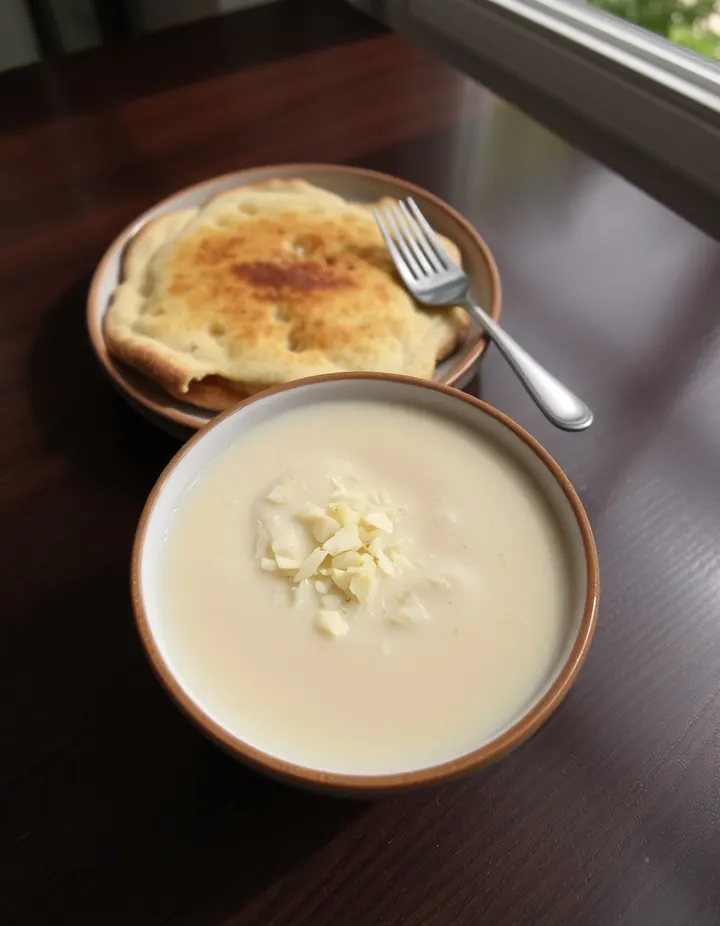 Almond Soup60 recipes
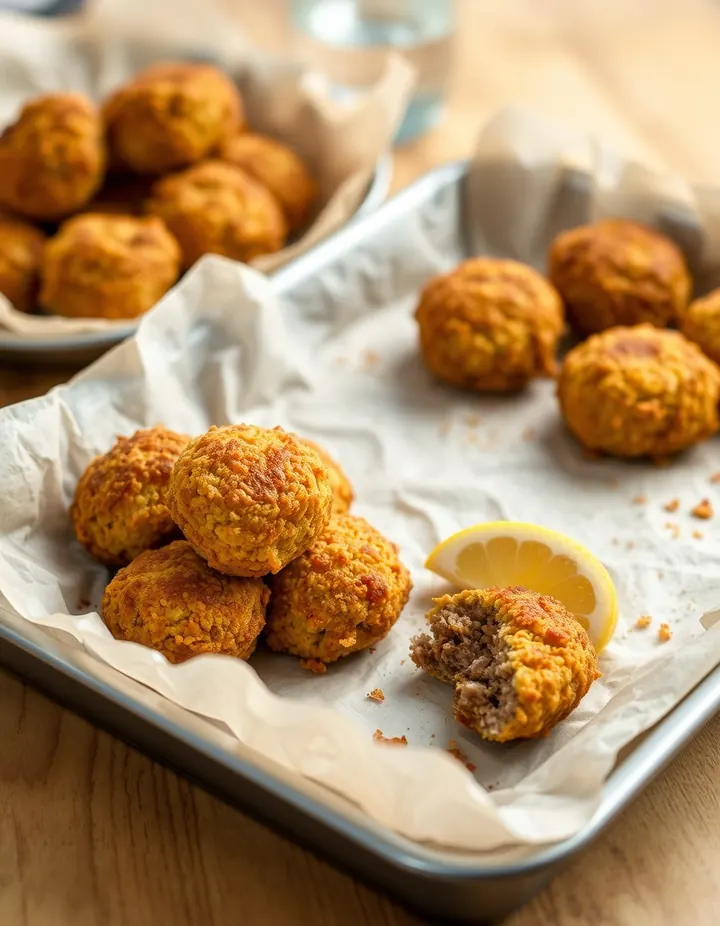 Meat Croquettes52 recipes
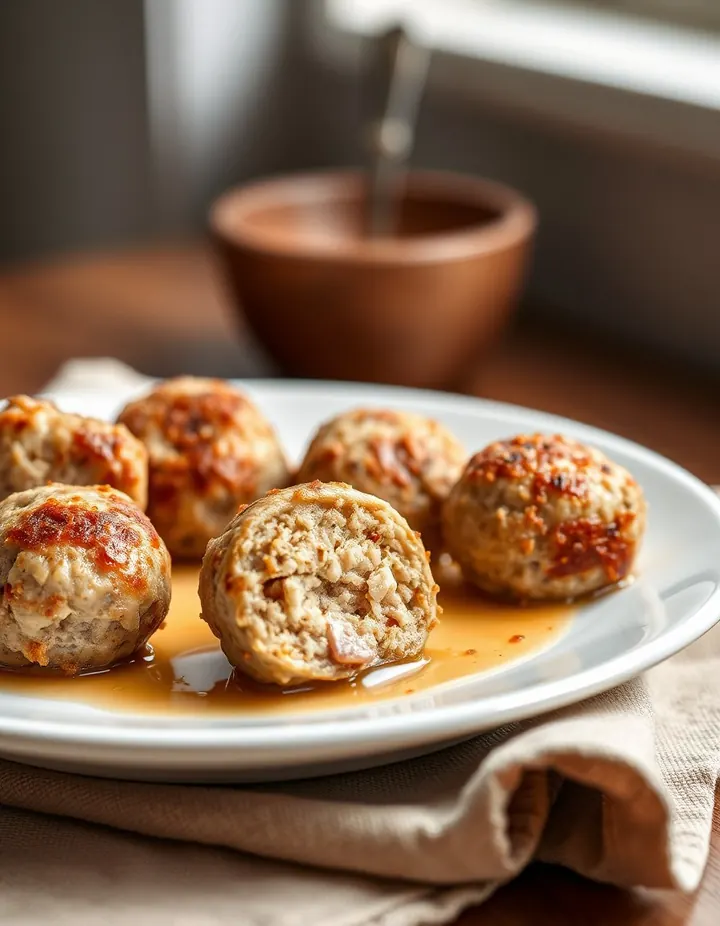 Meatballs37 recipes
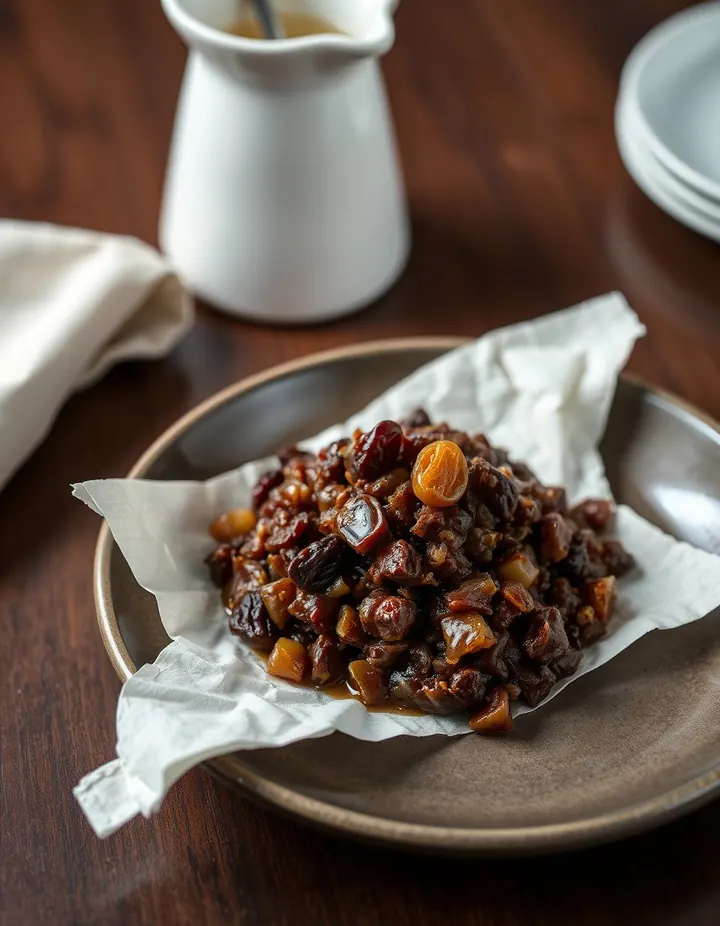 Mince Meat37 recipes
The free Flavor Lab newsletter: one surprising pairing a week and the molecular reason it works, in 60 seconds. No spam, unsubscribe anytime.
Prefer an account? Create a free account to save pairings and unlock the full chemistry.