Why it works: Cabbage and mustard match in chemistry and in kitchens. They rank in the top 3% of all ingredient pairs, and cooks put them together in 1,645 recipes. Both carry 2-isopropyl-3-methoxypyrazine, which smells earthy, pea. The science ↓
Pickled Cabbage
Ingredients
Directions
Salt and rest
In a large bowl, combine chopped cabbage, onion, and peppers.
Layer the mixture in a stone jar, sprinkling salt between layers until all ingredients are used.
Cover and let sit overnight.
Drain and pack
The next day, drain the cabbage in a colander, pressing lightly.
Layer the cabbage back into the jar, adding mustard seeds and cloves between layers. Do not pack tightly.
Cover with cider vinegar until it sinks to the bottom. Ensure the cabbage is thoroughly moistened with vinegar.
The pickles are ready to use immediately and will keep for 7-8 days.
Transcribed from a scanned cookbook and modernised for today's kitchens. Where the book gave no heat or time, or said "a moderate oven", the temperatures and times here may be modern equivalents rather than the book's own figures.
Explore the science
The flavor team
The pairs that carry this dish. Each one is judged two ways: how much their aromas overlap, and how often cooks already put them together.
-
Cabbage + mustardtop 3% of all pairsSmell alikestrongCooked together1,645 recipes
Shared aroma: 2-isopropyl-3-methoxypyrazine (earthy, pea).
-
Pepper + clovetop 5% of all pairsSmell alikestrongCooked together17,451 recipes
Shared aroma: ethyl octanoate (fruity, wine).
-
Cabbage + peppertop 5% of all pairsSmell alikemoderateCooked together4,081 recipes
Shared aroma: 2-isopropyl-3-methoxypyrazine (earthy, pea).
-
Onion + mustardtop 6% of all pairsSmell alikestrongCooked together9,259 recipes
Shared aroma: 2-isopropyl-3-methoxypyrazine (earthy, pea).
-
Cider + vinegartop 6% of all pairsSmell alikemoderateCooked together3,431 recipes
Shared aroma: 4-ethyl-2-methoxyphenol (smoky, clove).
Ranks compare each pair with 20,000 random ingredient pairs on CompKitchen. How we score pairs
What each ingredient does
- Cabbage
- Forms the bulk of the pickle and becomes crisp-tender as it is salted and soaked in vinegar.
- Coarse sea salt
- Draws water out of the vegetables, which softens them slightly and concentrates flavour before pickling.
- Cider vinegar
- Acidifies the cabbage, preserving it and giving the pickle its sharp, tangy taste.
- Red and green peppers
- Add sweetness, colour and a little crunch to the pickled mixture.
The step that matters
Draining and pressing lightly. Pressing too hard crushes the cabbage and releases too much liquid, while skipping the drain leaves excess brine diluting the vinegar. Light pressure keeps the texture crisp and the pickle balanced.
Swap the onion
The recipe marks onion as optional. How well each one fits the dish's main ingredients (cabbage, pepper, mustard, clove, cider, vinegar):
- Horseradishfits better
- Radishfits better
- Broccolifits better
- Onionthe original
Fit is the average pairing score against cabbage, pepper, mustard, clove, cider, vinegar. Candidates are from the same food group and used in at least 100 recipes.
“What each ingredient does” and “The step that matters” were written by Claude from this recipe’s own method and reviewed in samples by CompKitchen.
More pickled cabbage recipes
You might also like
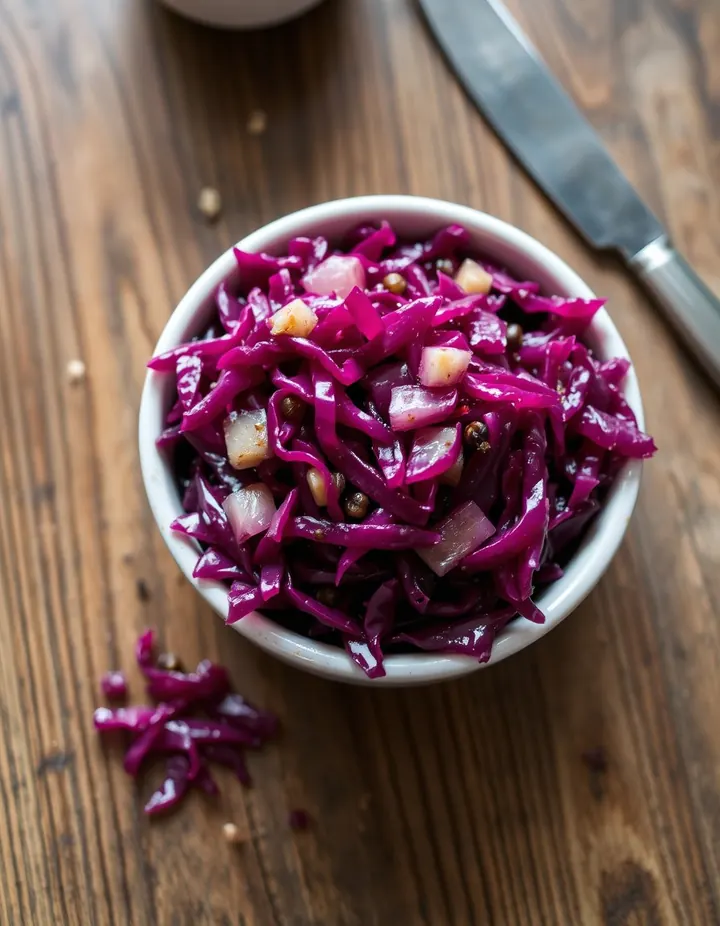 Red Cabbage65 recipes
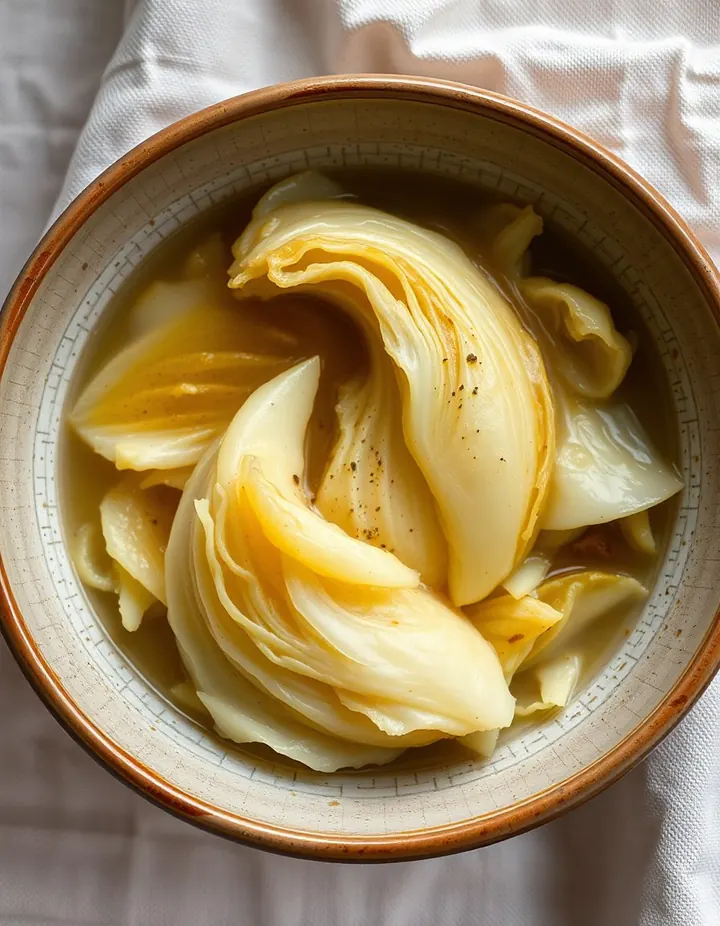 Stewed Cabbage58 recipes
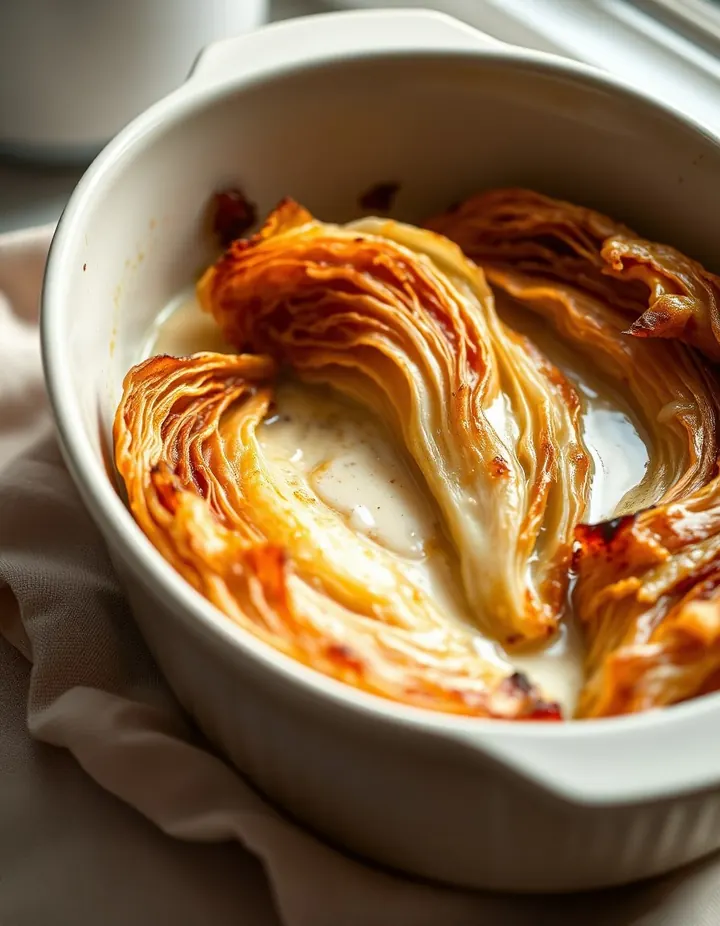 Baked Cabbage51 recipes
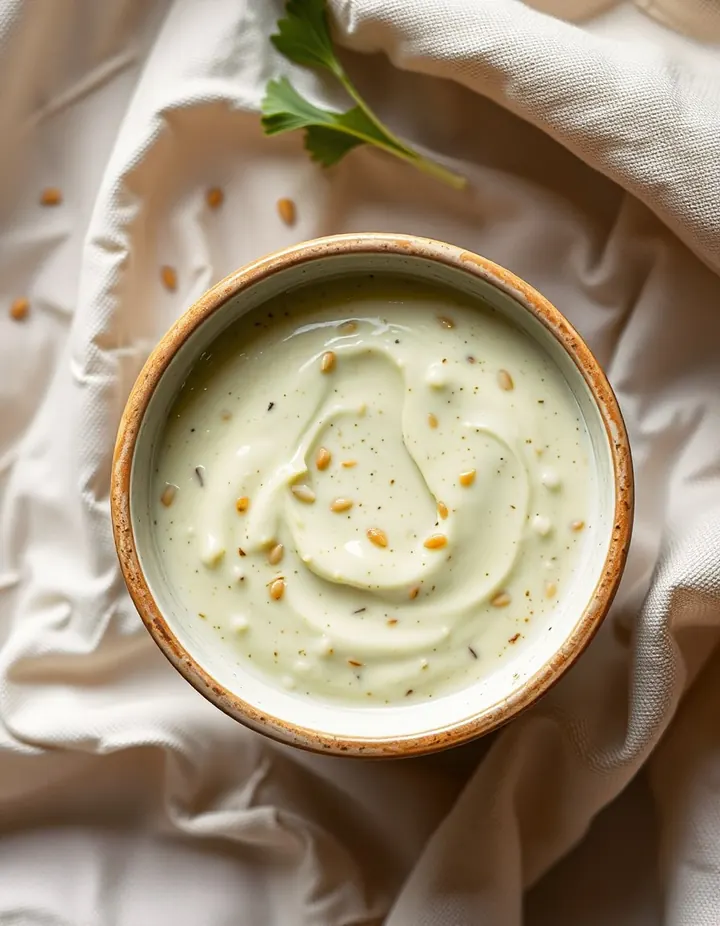 Cabbage Dressing19 recipes
The free Flavor Lab newsletter: one surprising pairing a week and the molecular reason it works, in 60 seconds. No spam, unsubscribe anytime.
Prefer an account? Create a free account to save pairings and unlock the full chemistry.