Why it works: Flour and currant are a kitchen classic. They rank in the top 26% of all ingredient pairs, and cooks put them together in 8,077 recipes. The science ↓
Snoush Roll Pudding
Ingredients
Directions
Prepare the roll
Roll out a paste made of suet, flour, water, and salt to half an inch thick.
Spread your choice of preserves over the paste.
Dust a little flour on top, then roll it up tightly.
Wet the ends and pinch them closed, then tie in a cloth that has been wet and floured.
Cook and serve
Boil or steam for one to two hours, depending on size.
Serve hot with a rich liquid sauce.
Transcribed from a scanned cookbook and modernised for today's kitchens. Where the book gave no heat or time, or said "a moderate oven", the temperatures and times here may be modern equivalents rather than the book's own figures.
Explore the science
The flavor team
The pairs that carry this dish. Each one is judged two ways: how much their aromas overlap, and how often cooks already put them together.
-
Flour + curranttop 26% of all pairsSmell alikelowCooked together8,077 recipes
Ranks compare each pair with 20,000 random ingredient pairs on CompKitchen. How we score pairs
What each ingredient does
- Suet
- Melts during cooking to make the paste rich and tender, keeping the crust moist.
- All-purpose flour
- Forms the paste's structure so it holds together around the filling while cooking.
- Preserves
- Provide sweetness and fruity moisture that soaks slightly into the roll as it cooks.
The step that matters
Tying the cloth. The cloth must be wet and floured so it does not stick to the paste, and the ends must be sealed tightly so the filling does not leak while the roll steams or boils.
“What each ingredient does” and “The step that matters” were written by Claude from this recipe’s own method and reviewed in samples by CompKitchen.
You might also like
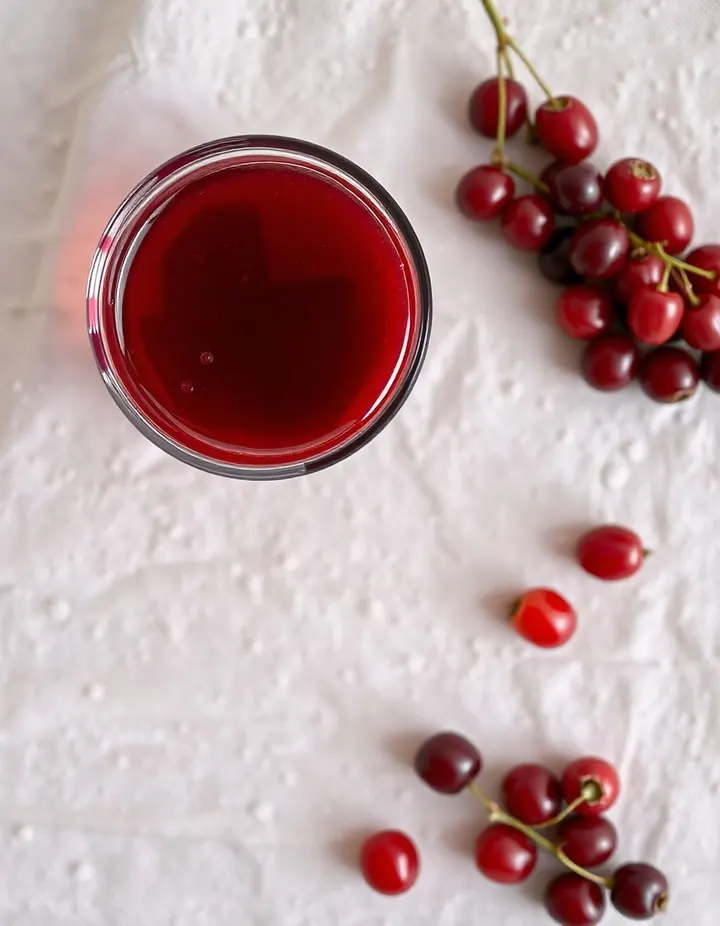 Red Currant Jelly65 recipes
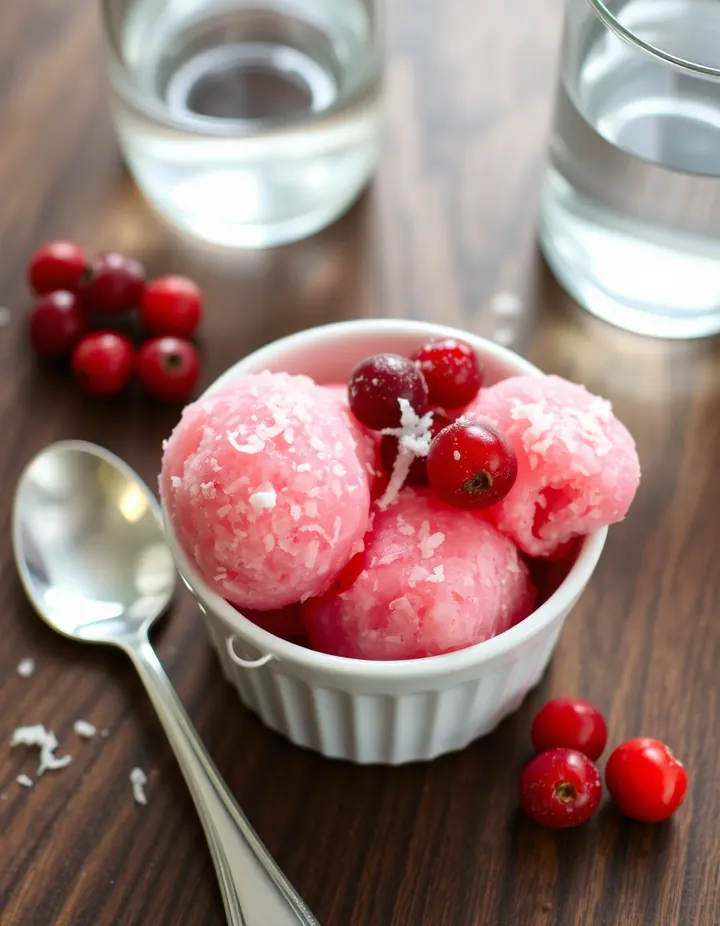 Currant Ice Cream32 recipes
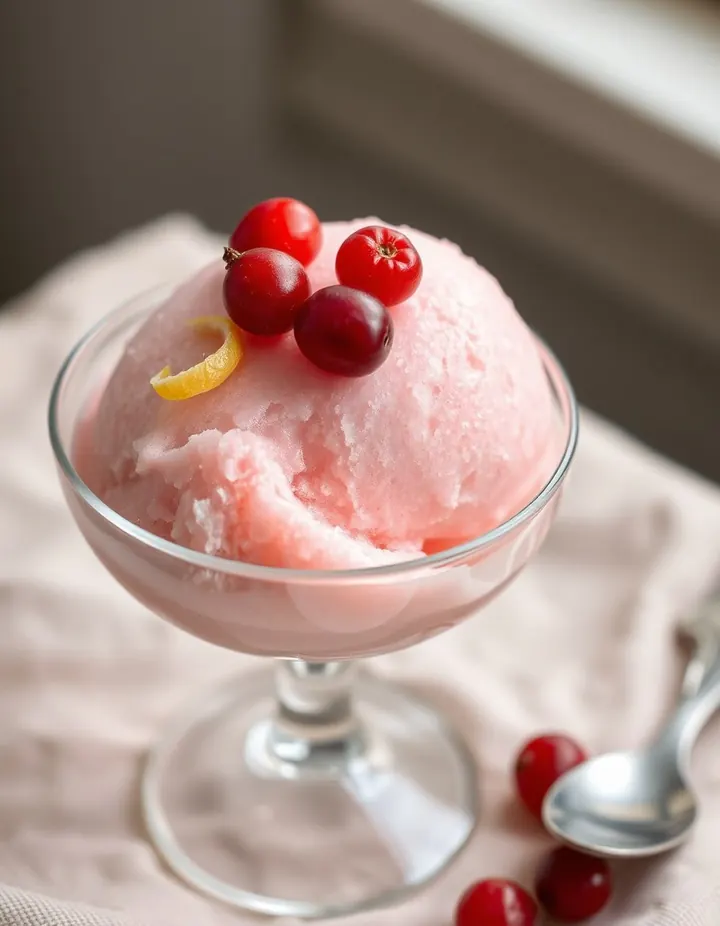 Currant Sherbet9 recipes
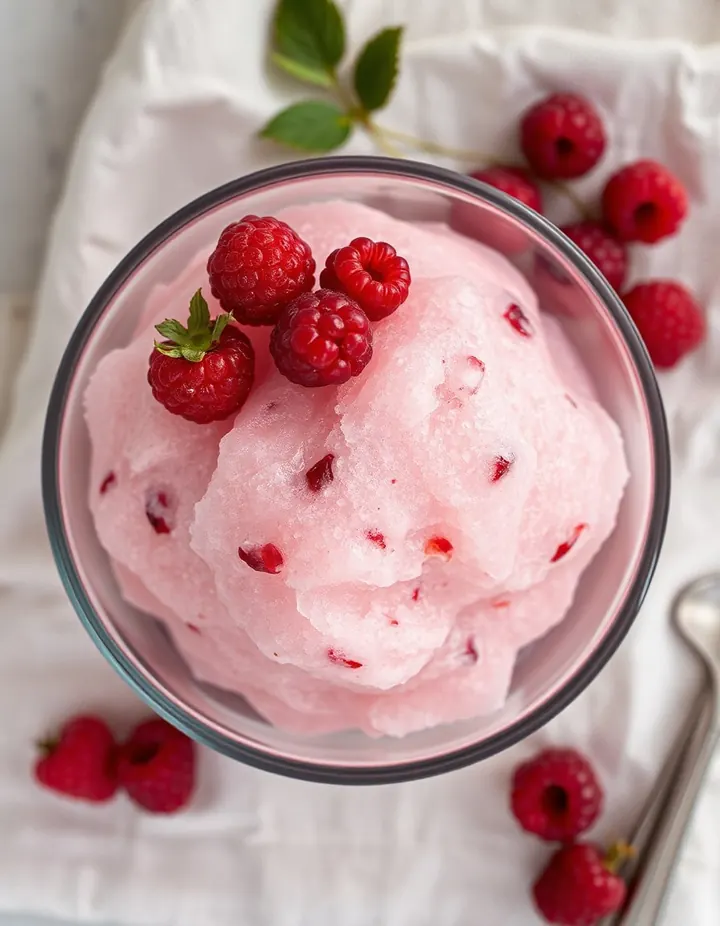 Currant and Raspberry Ice7 recipes
The free Flavor Lab newsletter: one surprising pairing a week and the molecular reason it works, in 60 seconds. No spam, unsubscribe anytime.
Prefer an account? Create a free account to save pairings and unlock the full chemistry.