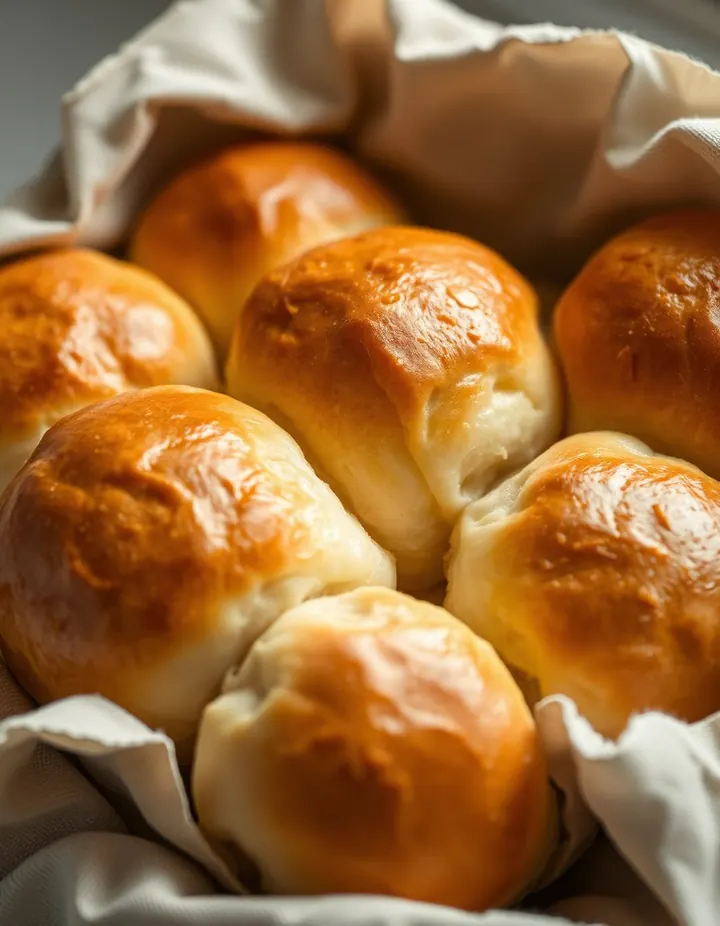
Why it works: Flour and milk are a kitchen classic. They rank in the top 14% of all ingredient pairs, and 78,219 recipes mention both. Both carry isobutyraldehyde, which smells malty, green. The science ↓
Parker House Rolls
Ingredients
Directions
The book says “a quick oven”. The 400°F (200°C) in the steps is the modern equivalent, not the book's own figure.
Make the dough
Sift the flour into a bowl and make a hole in the middle.
Add the lard, sugar, warm milk, yeast, and salt into the hole.
Let the mixture stand in a warm place without stirring until light.
Stir to form a soft dough, adding more flour if necessary.
About two hours before serving, work out the dough with a little more flour.
Shape and bake
Roll out the dough to about ½ inch thick and cut with a biscuit cutter.
Lightly butter the cut dough, fold over, and place in pans a little apart.
Let the rolls rise until tea time and bake in a preheated oven at 400°F (200°C).
Transcribed from a scanned cookbook and modernised for today's kitchens. Where the book gave no heat or time, or said "a moderate oven", the temperatures and times here may be modern equivalents rather than the book's own figures.
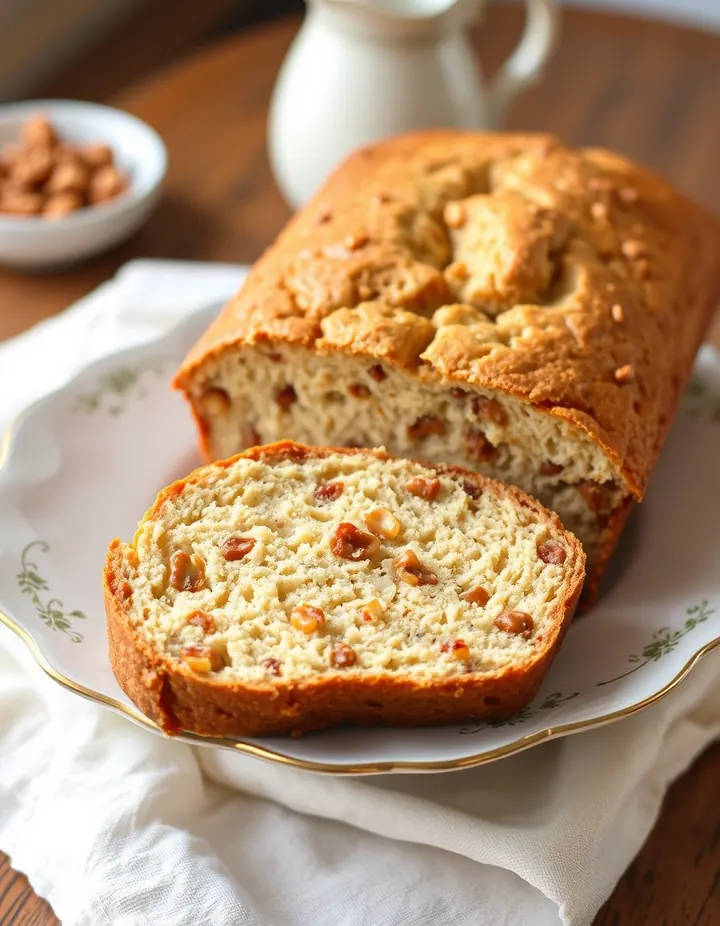
Photo for illustrative purposes only · Contact us to use it
Explore the science
The flavor team
The pairs that carry this dish. Each one is judged two ways: how much aroma chemistry they share, and how many recipes mention both.
-
Flour + milktop 14% of all pairsAroma overlaplowMentioned together78,219 recipes
Shared aroma: isobutyraldehyde (malty, green).
-
Flour + sugartop 15% of all pairsAroma overlapmoderateMentioned together92,116 recipes
Shared aroma: phenylacetaldehyde (hawthorne, honey).
-
Sugar + milktop 18% of all pairsAroma overlaplowMentioned together77,875 recipes
Shared aroma: 2-nonenal (fatty, green).
Flour and milk share little aroma chemistry, yet 78,219 recipes mention both: they likely work on texture and structure more than aroma.
Ranks compare each pair with 20,000 random ingredient pairs on CompKitchen. How we score pairs
What each ingredient does
- All-purpose flour
- Provides the gluten network that gives the rolls their structure and chew.
- Yeast
- Produces gas as it ferments, making the dough light and causing it to rise.
- Lard
- Adds fat that tenderizes the crumb and keeps the rolls soft.
- White sugar
- Feeds the yeast and adds sweetness and some browning on the crust.
- Warm sweet milk
- Provides moisture and liquid that hydrates the flour and supports yeast activity.
The step that matters
Letting the mixture stand until light. The yeast needs warmth and time to ferment and produce gas. Stirring during this rise would knock out the trapped gas and weaken the dough's ability to lift.
“What each ingredient does” and “The step that matters” were written by Claude from this recipe’s own method and reviewed in samples by CompKitchen.
You might also like
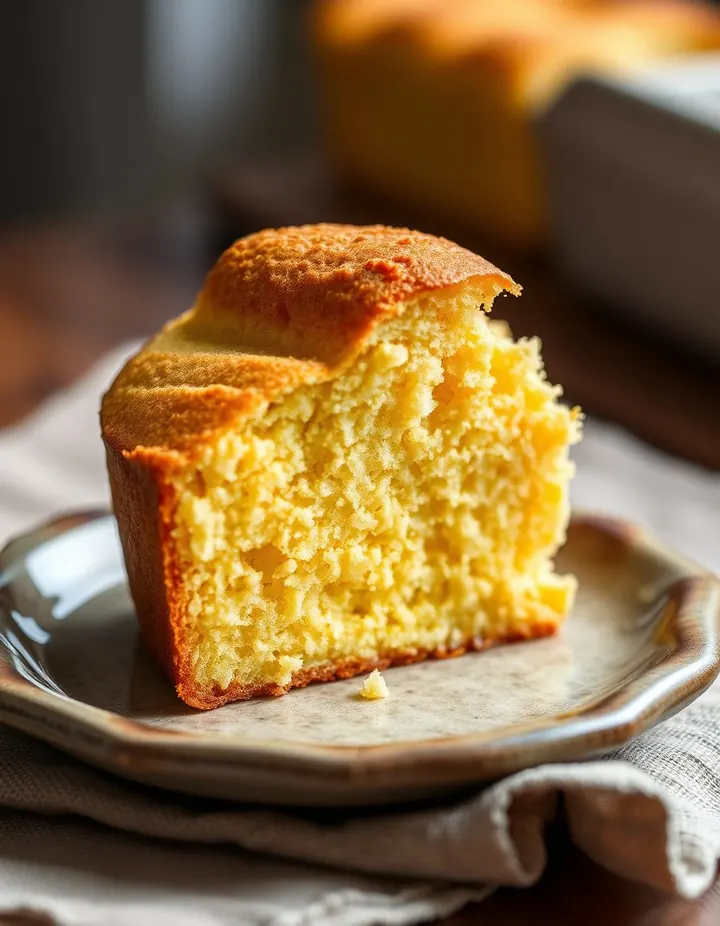 Cornbread345 recipes
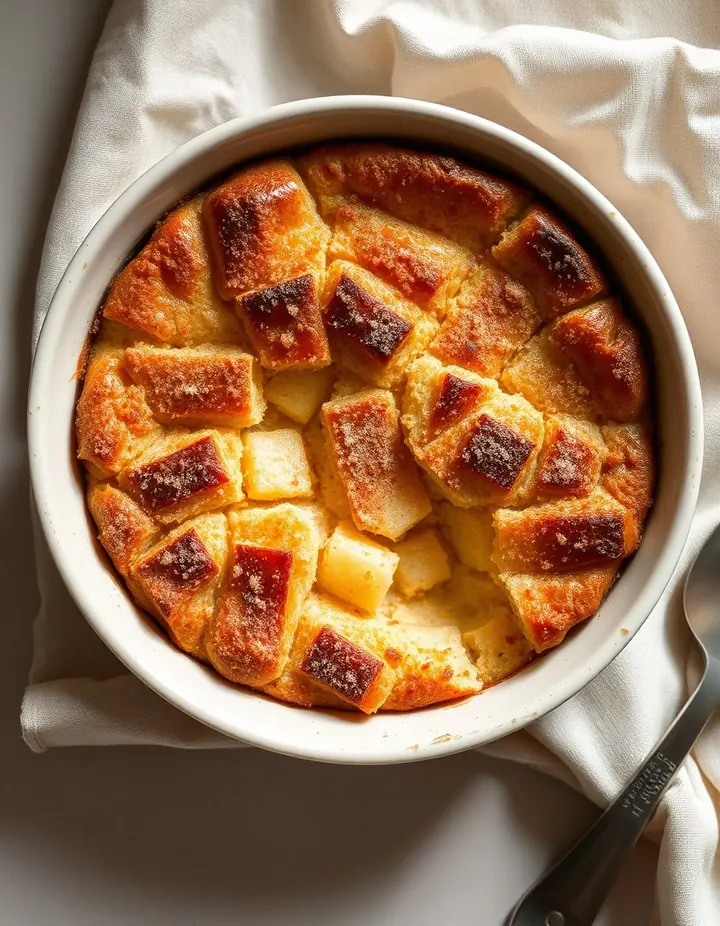 Bread Pudding336 recipes
 Potato Bread124 recipes
 Nut Bread109 recipes
The Sunday pairing: one pairing, the chemistry behind it, and how to cook it. No spam, unsubscribe anytime.
Prefer an account? Create a free account for sign-in; Pro adds the full results and chemistry.