Why it works: Milk and butter are a kitchen classic. They rank in the top 7% of all ingredient pairs, and cooks put them together in 81,283 recipes. Both carry (z)-4-heptenal, which smells biscuit, cream. The science ↓
Oyster Chartreuse
Ingredients
Directions
The book says “a hot oven”. The 400°F in the steps is the modern equivalent, not the book's own figure.
Prepare the potato shell
Peel and boil the potatoes until tender, then mash them finely and lightly.
Add the milk, salt, pepper, 1 tablespoon of butter, and the beaten egg whites to the mashed potatoes, then mix in the parsley.
Butter a 2-quart Charlotte Russe mold and sprinkle the bottom and sides with bread crumbs.
Line the mold with the potato mixture and let it stand for a few minutes.
Make the oyster filling
In a saucepan, bring the cream and onion to a boil.
Mix the flour with a little cold cream or milk (about ¼ cup) and stir it into the boiling cream.
Season with salt and pepper, and cook for 8 minutes.
Boil the oysters in their own liquor, skim, and drain off the juice.
Remove the onion from the sauce and add the oysters, adjusting seasoning as needed.
Bake and serve
Gently pour the oyster mixture into the mold and cover with the remaining potato mixture, ensuring no openings are left.
Bake in a hot oven (400°F / 200°C) for 30 minutes.
Remove from the oven 10 minutes before serving and let it stand.
Invert the mold onto a large platter and gently remove the mold.
Garnish with parsley and serve.
Transcribed from a scanned cookbook and modernised for today's kitchens. Where the book gave no heat or time, or said "a moderate oven", the temperatures and times here may be modern equivalents rather than the book's own figures.
Explore the science
The flavor team
The pairs that carry this dish. Each one is judged two ways: how much their aromas overlap, and how often cooks already put them together.
-
Milk + buttertop 7% of all pairsSmell alikemoderateCooked together81,283 recipes
Shared aroma: (z)-4-heptenal (biscuit, cream).
-
Cream + buttertop 8% of all pairsSmell alikemoderateCooked together41,516 recipes
Shared aroma: delta-dodecalactone (sweet, creamy).
-
Onion + peppertop 11% of all pairsSmell alikemoderateCooked together68,474 recipes
Shared aroma: 2-isopropyl-3-methoxypyrazine (earthy, pea).
-
Butter + flourtop 12% of all pairsSmell alikelowCooked together124,287 recipes
Shared aroma: isobutyraldehyde (malty, green).
-
Oyster + buttertop 12% of all pairsSmell alikemoderateCooked together8,184 recipes
Shared aroma: 2,6-nonadienal (cucumber, green).
Butter and flour barely smell alike, yet cooks put them together in 124,287 recipes: they work on texture and structure more than aroma.
Ranks compare each pair with 20,000 random ingredient pairs on CompKitchen. How we score pairs
What each ingredient does
- Oysters
- Provide the main flavor and texture of the filling.
- Potatoes
- Form the mashed shell that holds the filling in its shape.
- Egg whites
- Bind the potato mixture and help it set firm when baked.
- Cream
- Makes a rich sauce that moistens the oyster filling.
- Flour
- Thickens the cream into a sauce that holds the oysters together.
- Butter
- Adds richness and helps the potato shell brown lightly.
The step that matters
Thickening the cream sauce. Flour must be mixed with cold liquid before going into the boiling cream, otherwise it clumps and the sauce stays lumpy and uneven.
Swap the onion
How well each one fits the dish's main ingredients (oyster, cream, milk, egg, butter, pepper, flour):
- Potatofits better
- Asparagusfits better
- Spinachfits better
- Onionthe original
Fit is the average pairing score against oyster, cream, milk, egg, butter, pepper, flour. Candidates are from the same food group and used in at least 100 recipes.
“What each ingredient does” and “The step that matters” were written by Claude from this recipe’s own method and reviewed in samples by CompKitchen.
You might also like
 Brown Bread461 recipes
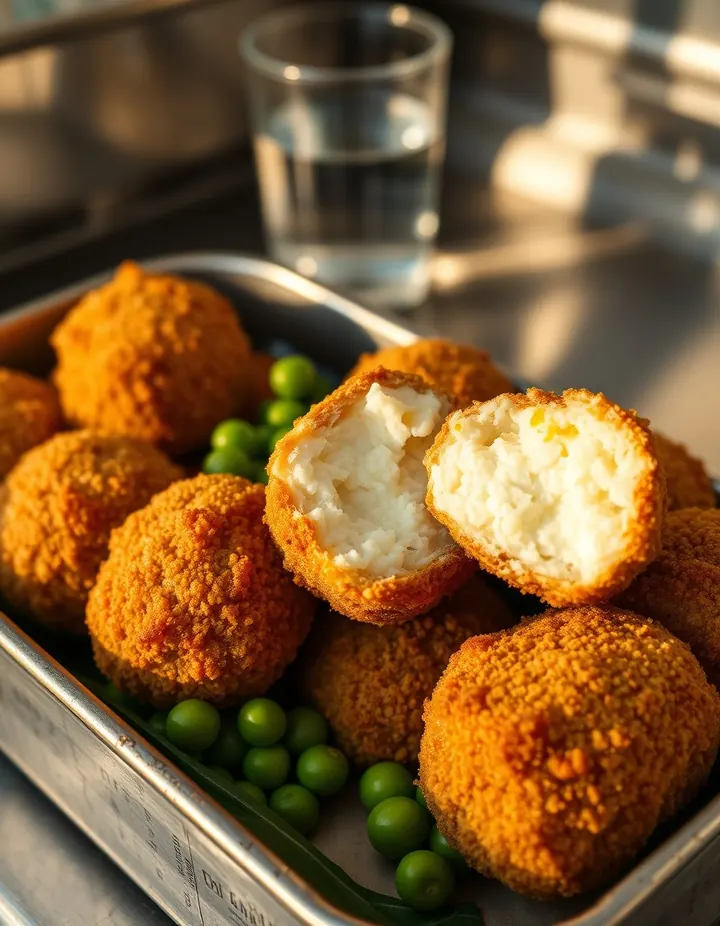 Potato Croquettes255 recipes
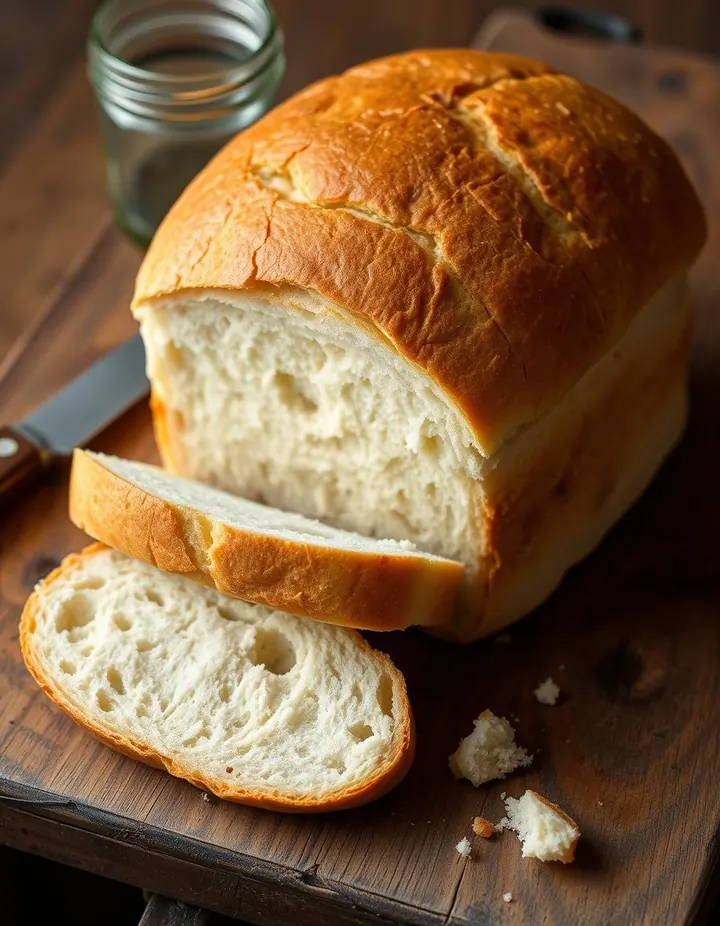 White Bread80 recipes
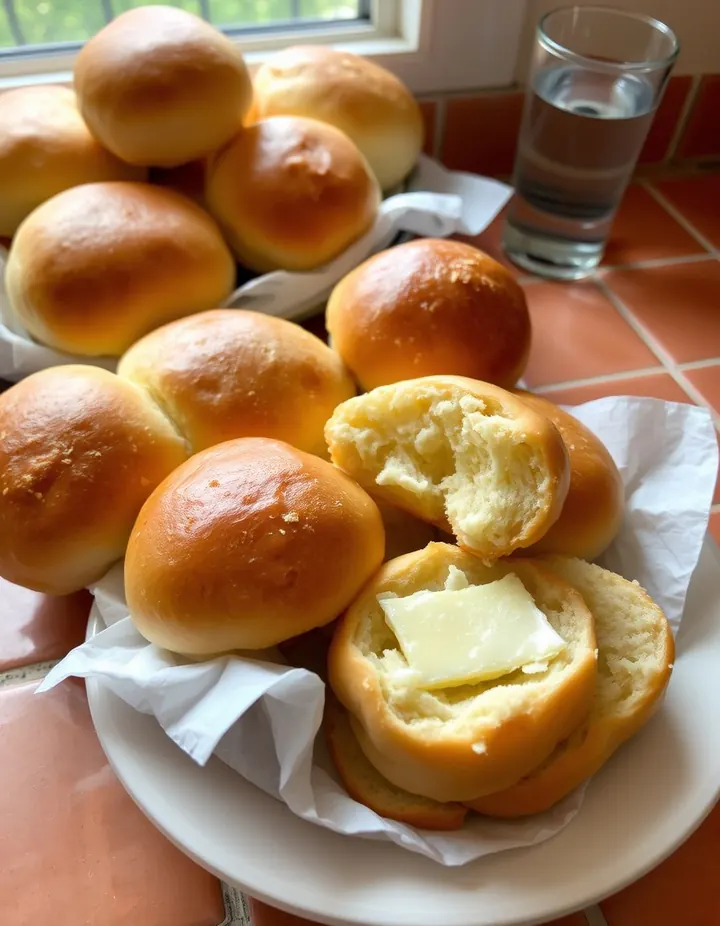 Potato Rolls78 recipes
The free Flavor Lab newsletter: one surprising pairing a week and the molecular reason it works, in 60 seconds. No spam, unsubscribe anytime.
Prefer an account? Create a free account to save pairings and unlock the full chemistry.