Why it works: Meat and sugar are a kitchen classic. They rank in the top 34% of all ingredient pairs, and cooks put them together in 2,866 recipes. Both carry guaiacol, which smells smoky, sweet. The science ↓
Sugar-cured Hams and Bacon
Ingredients
Directions
Prepare the meat
Cool the meat.
Rub each piece with salt.
Allow it to drain overnight.
Pack and brine
Pack the meat in a barrel, placing hams and shoulders at the bottom and using strips of bacon to fill in between or on top.
Dissolve the salt, brown sugar, and saltpeter in the water.
For summer use, boil the brine and cool it before using.
For winter curing, boiling is not necessary.
Cover the meat with the brine.
Soak bacon strips in the brine for 4 to 6 weeks and hams for 6 to 8 weeks.
Transcribed from a scanned cookbook and modernised for today's kitchens. Where the book gave no heat or time, or said "a moderate oven", the temperatures and times here may be modern equivalents rather than the book's own figures.
Explore the science
The flavor team
The pairs that carry this dish. Each one is judged two ways: how much their aromas overlap, and how often cooks already put them together.
-
Meat + sugartop 34% of all pairsSmell alikelowCooked together2,866 recipes
Shared aroma: guaiacol (smoky, sweet).
Ranks compare each pair with 20,000 random ingredient pairs on CompKitchen. How we score pairs
What each ingredient does
- Salt
- Draws moisture out of the meat and preserves it by inhibiting spoilage microbes.
- Brown sugar
- Adds sweetness and balances the harshness of the salt in the cure.
- Saltpeter
- Helps the meat keep its pink color and adds to the preservation of the cure.
The step that matters
Boiling the brine for summer use. Summer curing happens in warmer conditions where spoilage bacteria grow faster, so the brine should be boiled to reduce contaminating microbes and then cooled fully before the meat is covered.
“What each ingredient does” and “The step that matters” were written by Claude from this recipe’s own method and reviewed in samples by CompKitchen.
You might also like
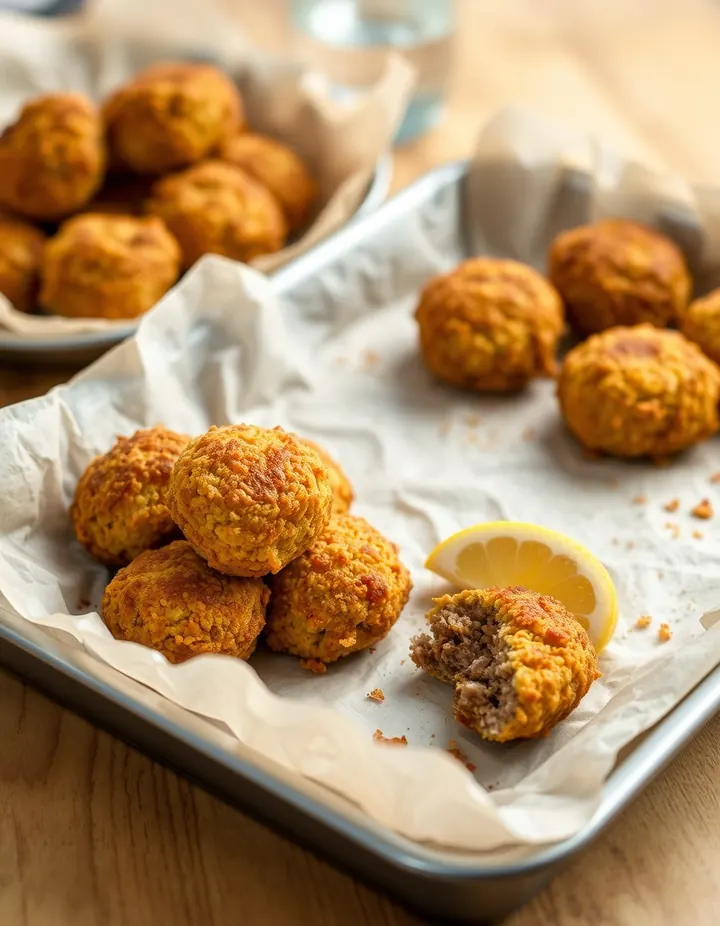 Meat Croquettes52 recipes
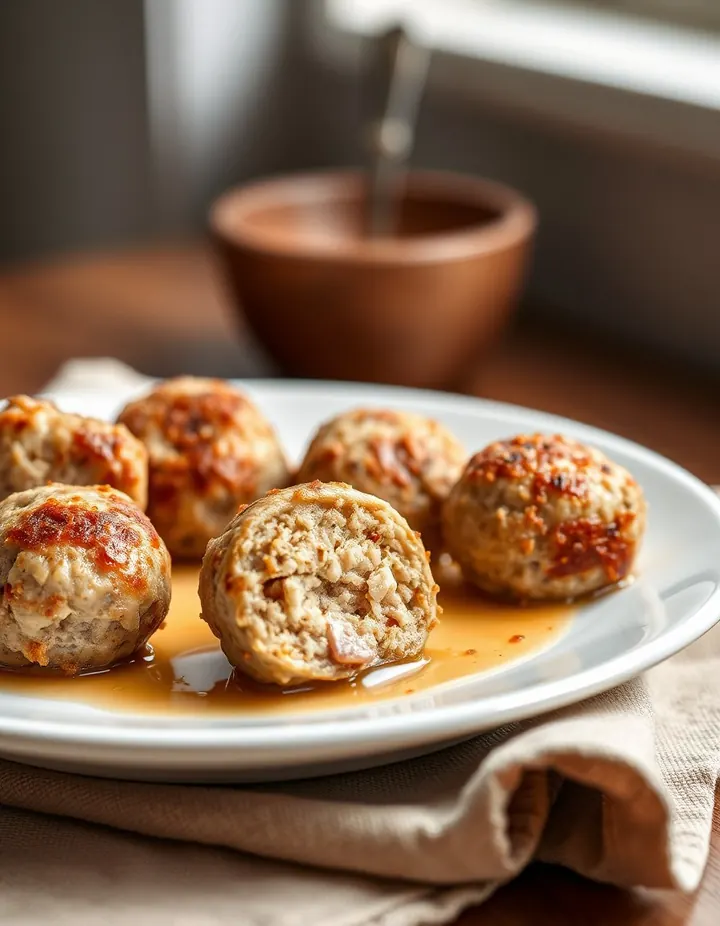 Meatballs37 recipes
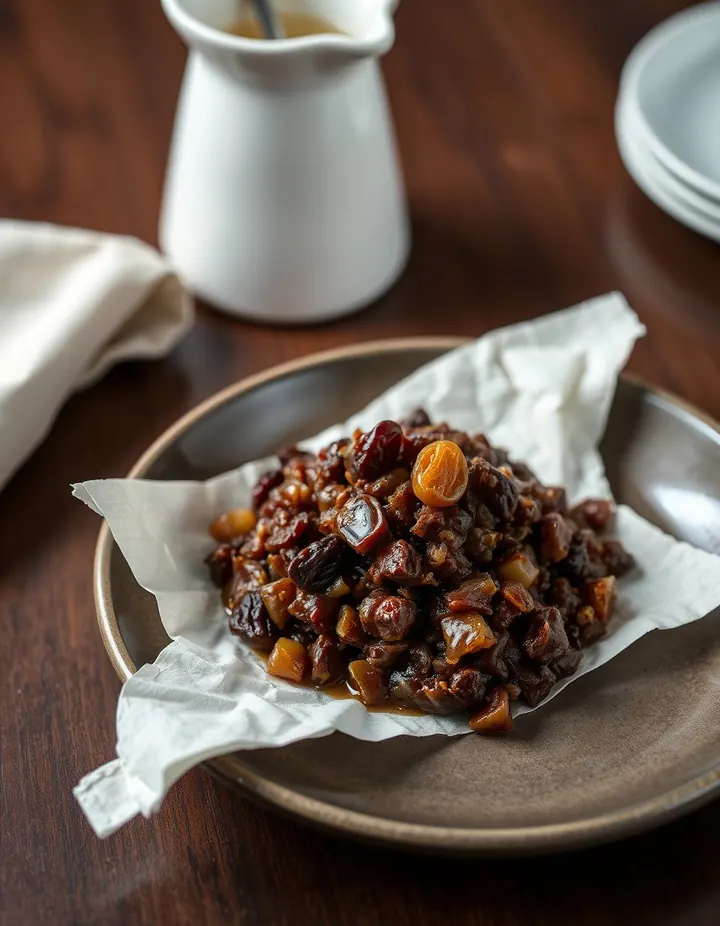 Mince Meat37 recipes
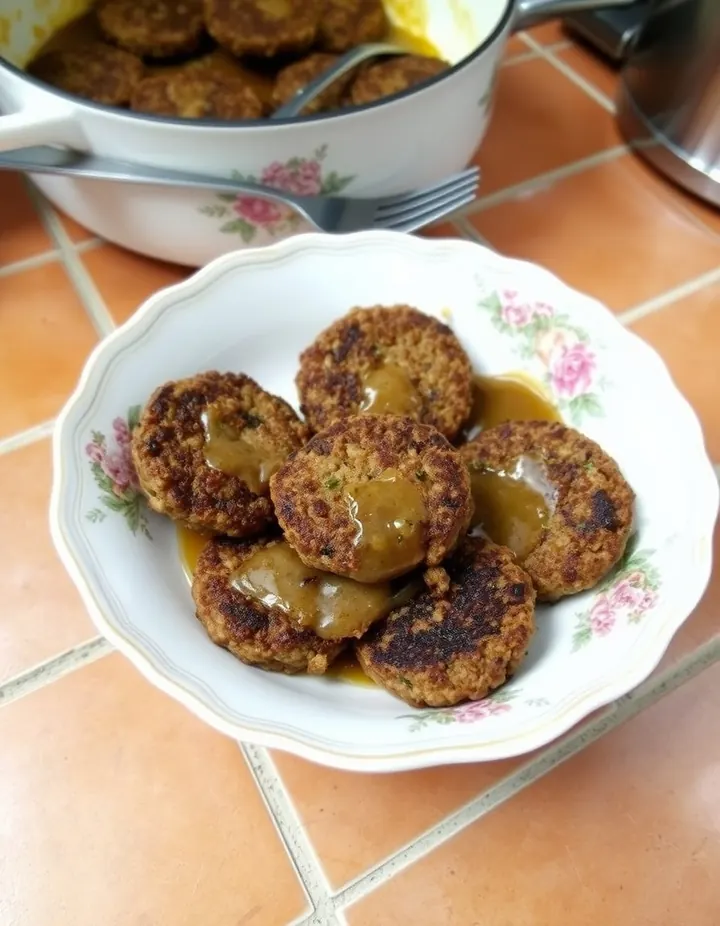 Meat Cakes35 recipes
The free Flavor Lab newsletter: one surprising pairing a week and the molecular reason it works, in 60 seconds. No spam, unsubscribe anytime.
Prefer an account? Create a free account to save pairings and unlock the full chemistry.