Why it works: Apple and molasses work together. They rank in the top 22% of all ingredient pairs, and cooks put them together in 970 recipes. Both carry ethyl isobutyrate, which smells fruity, ethereal. The science ↓
Cheat and Nice Vinegar
Ingredients
Directions
Prepare the apple base
Save the parings and cores of apples.
Place them in a jar and cover with warm rain water.
Set the jar in a warm place for several days.
Make and ferment the vinegar
Strain the mixture and add 1 pint of molasses to 1 gallon of the water.
Transfer to a jar and cover with a thin cloth.
Keep in a warm place for 1 to 2 weeks until vinegar forms.
Transcribed from a scanned cookbook and modernised for today's kitchens. Where the book gave no heat or time, or said "a moderate oven", the temperatures and times here may be modern equivalents rather than the book's own figures.
Explore the science
The flavor team
The pairs that carry this dish. Each one is judged two ways: how much their aromas overlap, and how often cooks already put them together.
-
Apple + molassestop 22% of all pairsSmell alikelowCooked together970 recipes
Shared aroma: ethyl isobutyrate (fruity, ethereal).
Ranks compare each pair with 20,000 random ingredient pairs on CompKitchen. How we score pairs
What each ingredient does
- Apple parings and cores
- Supply the natural sugars and microbes that start the fermentation.
- Molasses
- Provides sugar that yeast and bacteria convert into alcohol and then acetic acid.
- Warm rain water
- Dissolves the sugars and carries the fermentation along as the liquid medium.
The step that matters
Keeping the jar warm and covered. Yeast works to make alcohol first, and acetic acid bacteria then convert that alcohol into vinegar. Warmth speeds both stages, while a thin cloth lets air in so the bacteria can work, and keeps out insects and dust.
“What each ingredient does” and “The step that matters” were written by Claude from this recipe’s own method and reviewed in samples by CompKitchen.
You might also like
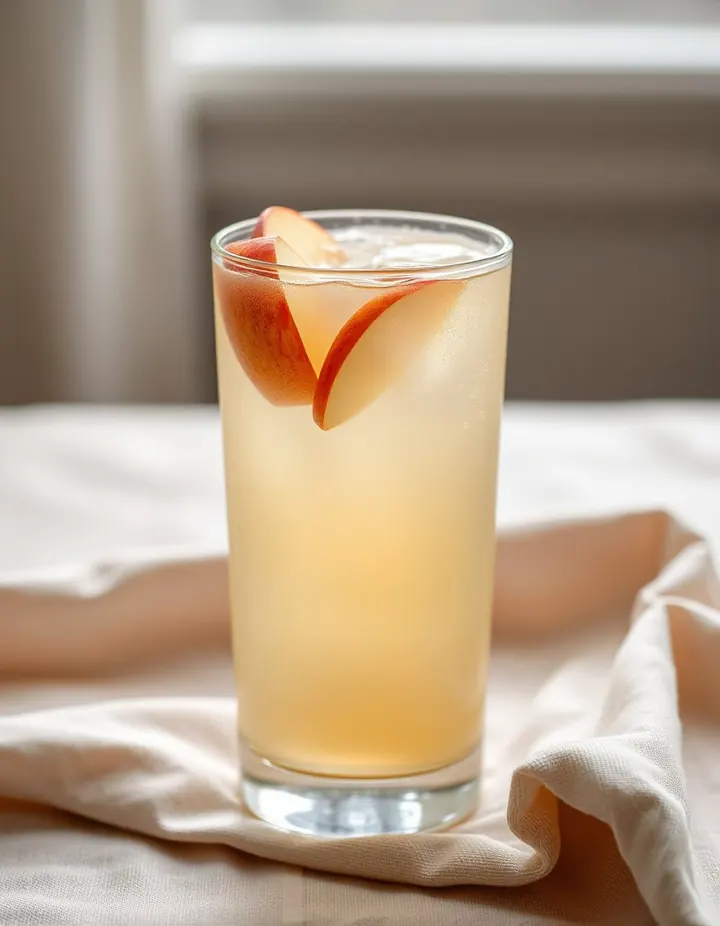 Apple Water81 recipes
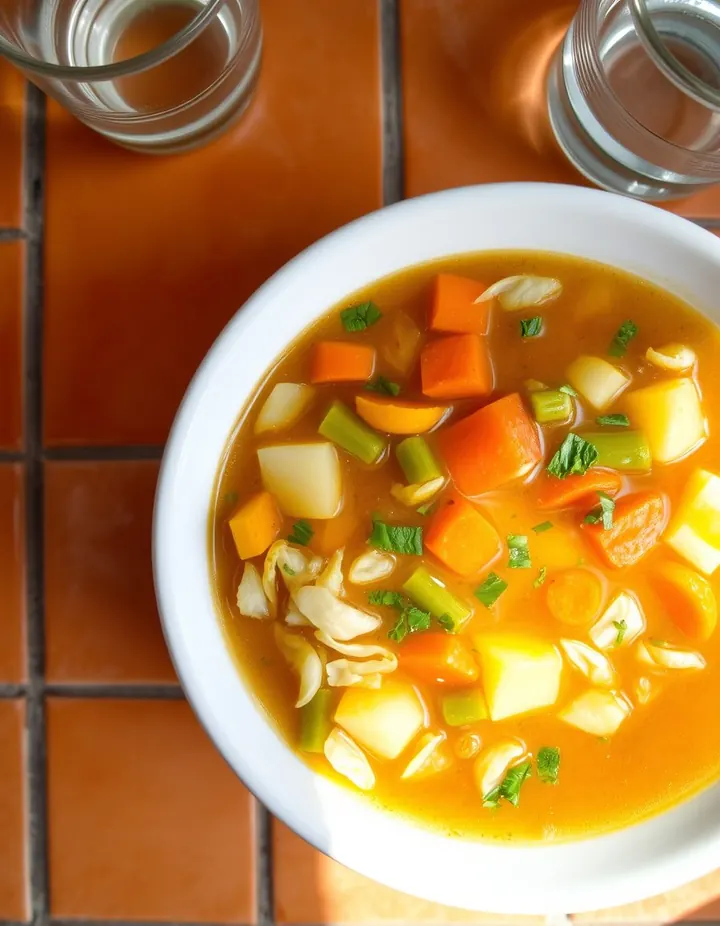 Vegetable Soup350 recipes
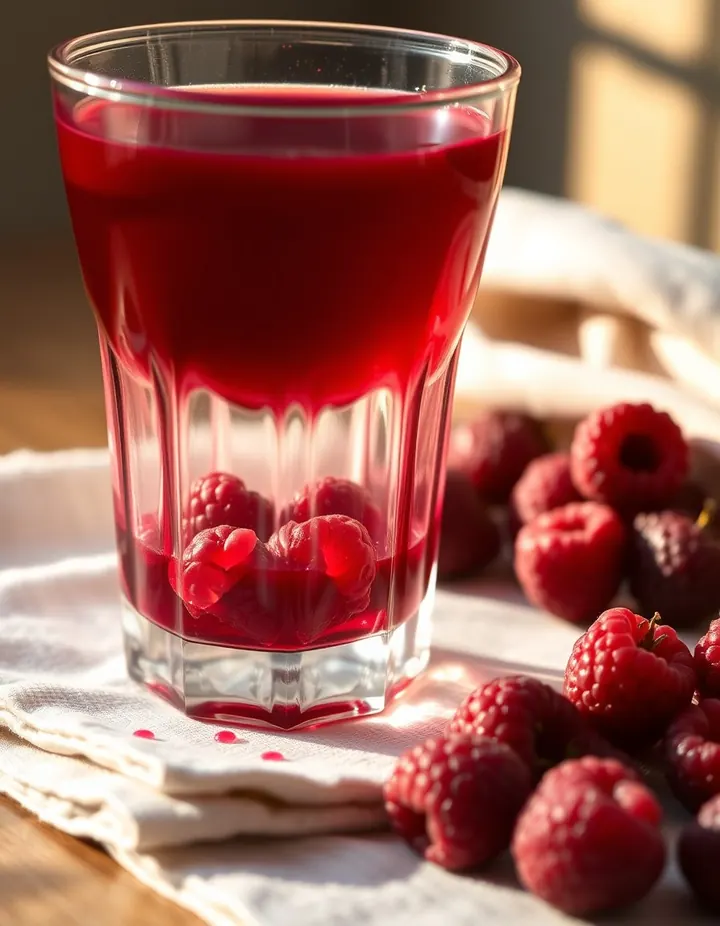 Raspberry Vinegar214 recipes
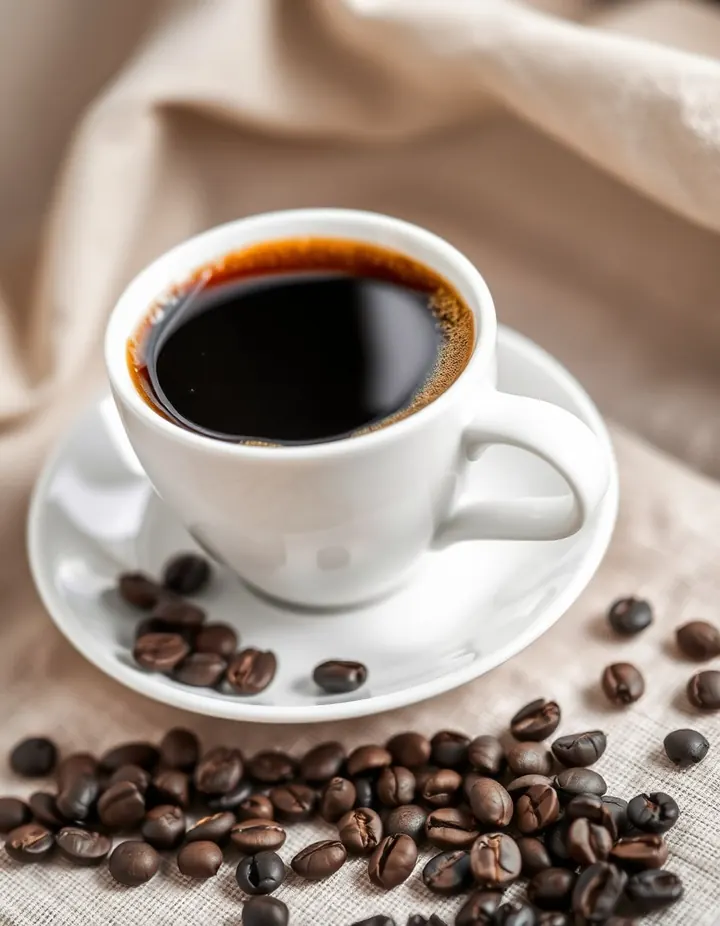 Brown Coffee with Egg175 recipes
The free Flavor Lab newsletter: one surprising pairing a week and the molecular reason it works, in 60 seconds. No spam, unsubscribe anytime.
Prefer an account? Create a free account to save pairings and unlock the full chemistry.