Why it works: Carrot and parsley match in chemistry and in kitchens. They rank in the top 1% of all ingredient pairs, and cooks put them together in 8,053 recipes. Both carry 2,4-decadienal, which smells seaweed. The science ↓
Baked Fresh Pork
Ingredients
Directions
The book says “a moderate oven”. The 350°F (175°C) in the steps is the modern equivalent, not the book's own figure.
Prepare the pork
Scrape the pork skin with a dull knife and wash it thoroughly.
Score the skin in little squares.
If the skin is removed, trim excess fat.
Cut out the backbone with a sharp knife.
Roast the pork
In a dripping pan, place the sliced carrot, turnip, onion, whole cloves, peppercorns, and parsley or celery.
Lay the pork on top of the vegetables and place the pan in a 350°F (175°C) oven to brown the meat.
Once browned, season the pork with salt, pepper, and powdered sage.
Cook for 15 minutes per pound of meat.
Prepare and bake the onions and apples
An hour before the pork is done, peel the small white onions without breaking them apart.
In a pan, combine the onions, sugar, butter, salt, and pepper.
Place in the oven and shake occasionally for even browning.
Wash and quarter the apples, removing the cores.
Place them in a small pan with 1 tablespoon of butter and bake until tender but not broken.
Keep the onions and apples hot until serving.
Serve
When the pork is done, place it on a hot dish and arrange the apples and onions around it.
Serve with boiled potatoes and brown gravy.
Transcribed from a scanned cookbook and modernised for today's kitchens. Where the book gave no heat or time, or said "a moderate oven", the temperatures and times here may be modern equivalents rather than the book's own figures.
Explore the science
The flavor team
The pairs that carry this dish. Each one is judged two ways: how much their aromas overlap, and how often cooks already put them together.
-
Carrot + parsleytop 1% of all pairsSmell alikestrongCooked together8,053 recipes
Shared aroma: 2,4-decadienal (seaweed).
-
Carrot + turniptop 1% of all pairsSmell alikestrongCooked together8,002 recipes
Shared aroma: coumarin (sweet, hay).
-
Parsley + sagetop 1% of all pairsSmell alikestrongCooked together1,445 recipes
Shared aroma: beta-phellandrene (minty, terpene).
-
Parsley + peppertop 2% of all pairsSmell alikestrongCooked together34,122 recipes
Shared aroma: 4'-methylacetophenone (bitter almond).
-
Turnip + parsleytop 2% of all pairsSmell alikestrongCooked together2,842 recipes
Shared aroma: coumarin (sweet, hay).
Ranks compare each pair with 20,000 random ingredient pairs on CompKitchen. How we score pairs
What each ingredient does
- Fresh pork
- Provides the main meat, which browns in the oven and becomes tender as it cooks.
- Small white onions
- Caramelize slightly with sugar and butter, adding sweetness and browning to the dish.
- Tart apples
- Their acidity balances the rich pork, and they hold their shape when baked until tender.
- Sugar
- Helps the onions brown in the oven and adds a touch of sweetness.
- Butter
- Adds fat and richness, helping the onions and apples brown and taste savoury-sweet.
The step that matters
Baking the apples until tender but not broken. Apples held too long or at too high a heat collapse into mush. Cooking them gently, with a little butter, softens the flesh while the cut pieces keep their shape.
Swap the onion
How well each one fits the dish's main ingredients (pork, carrot, turnip, clove, parsley, pepper, sage):
- Parsnipfits better
- Leekfits better
- Shallotfits better
- Onionthe original
Fit is the average pairing score against pork, carrot, turnip, clove, parsley, pepper, sage. Candidates are from the same food group and used in at least 100 recipes.
“What each ingredient does” and “The step that matters” were written by Claude from this recipe’s own method and reviewed in samples by CompKitchen.
You might also like
 Potato Croquettes255 recipes
 Carrot Soup134 recipes
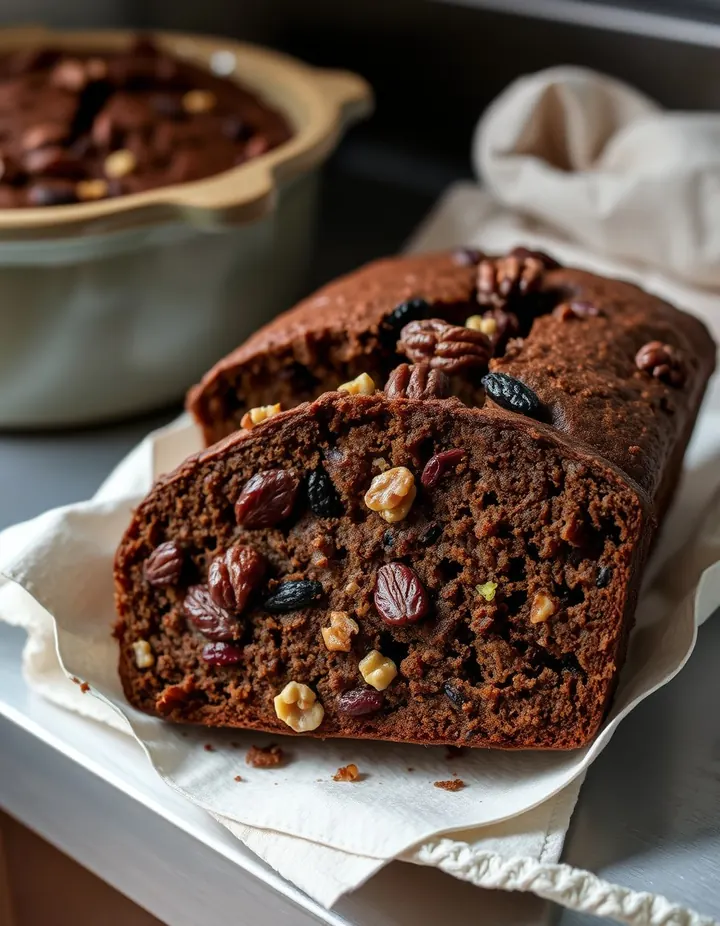 Pork Cake107 recipes
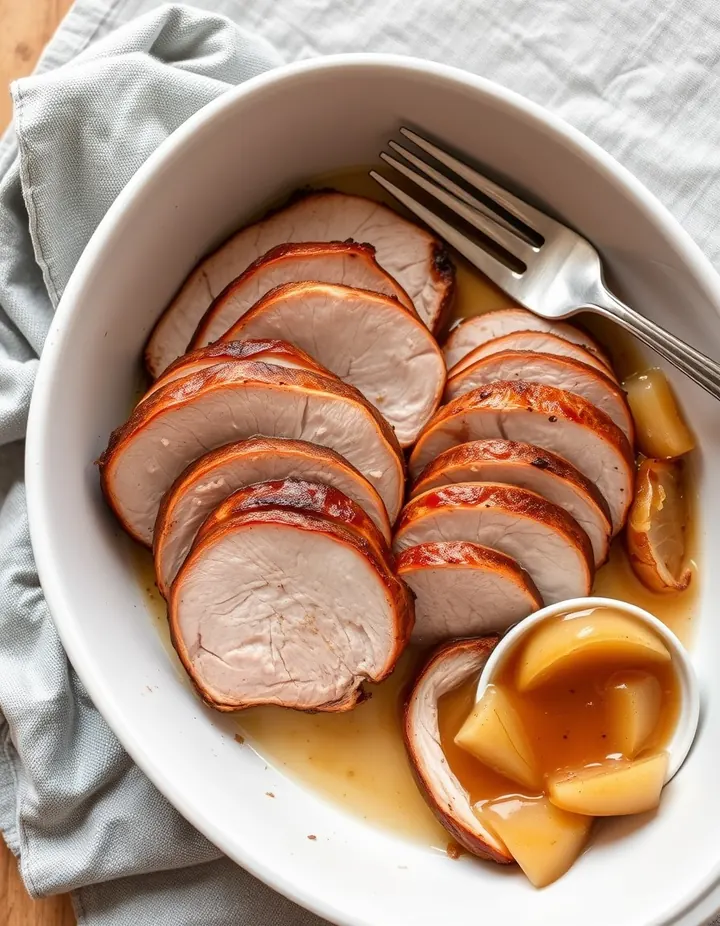 Roast Pork82 recipes
The free Flavor Lab newsletter: one surprising pairing a week and the molecular reason it works, in 60 seconds. No spam, unsubscribe anytime.
Prefer an account? Create a free account to save pairings and unlock the full chemistry.